Introduction: The Silent Killer of Margins
Margins in construction are razor-thin, especially for small contractors. When you’re juggling 10-15 projects, even a single billing error or poorly tracked procurement can wipe out your profits. What’s worse? You often don’t realize the damage until it’s too late.
We’ve seen this firsthand in interviews with dozens of contractors hitting that ₹100 Cr ceiling. The problem isn’t lack of projects or revenue. It’s operational chaos. Poor cost tracking, disconnected systems, and manual workflows are silent killers.
The Role of ERP in Fixing Margin Erosion
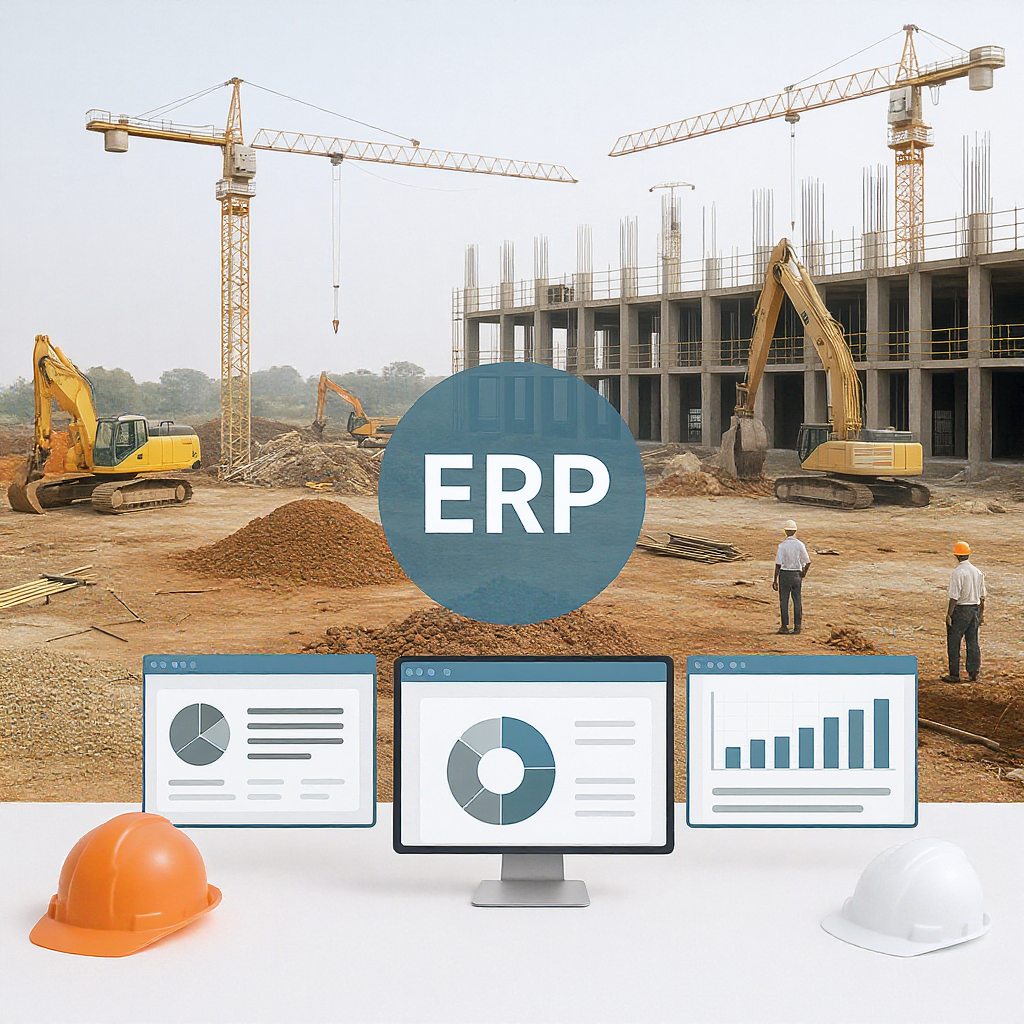
A good ERP system isn’t just a fancy dashboard. It’s a practical tool to stop revenue leaks. Let’s focus on one specific area: cost tracking across BOQs, scopes, and estimates.
The Cost Tracking Problem
Here’s the reality: most contractors rely on Excel or outdated software to track project costs. This usually means:
- Delayed insights: You find out a project is over budget weeks later — after the damage is done.
- Disconnected data: Procurement, billing, and subcontractor payments are tracked separately, leading to errors.
- Manual effort: Your team spends hours reconciling costs instead of focusing on execution.
Take RA Bills as an example. If you’re billing based on progress and measurements, any mismatch between your BOQ and actual site progress can trigger disputes. Worst case? You underbill and lose revenue.
How ERP Solves It
This is where ERP systems like JobNext come into play. JobNext offers real-time project profitability monitoring by integrating your BOQ, WBS, and scopes with actual resource consumption. Here’s how it works:
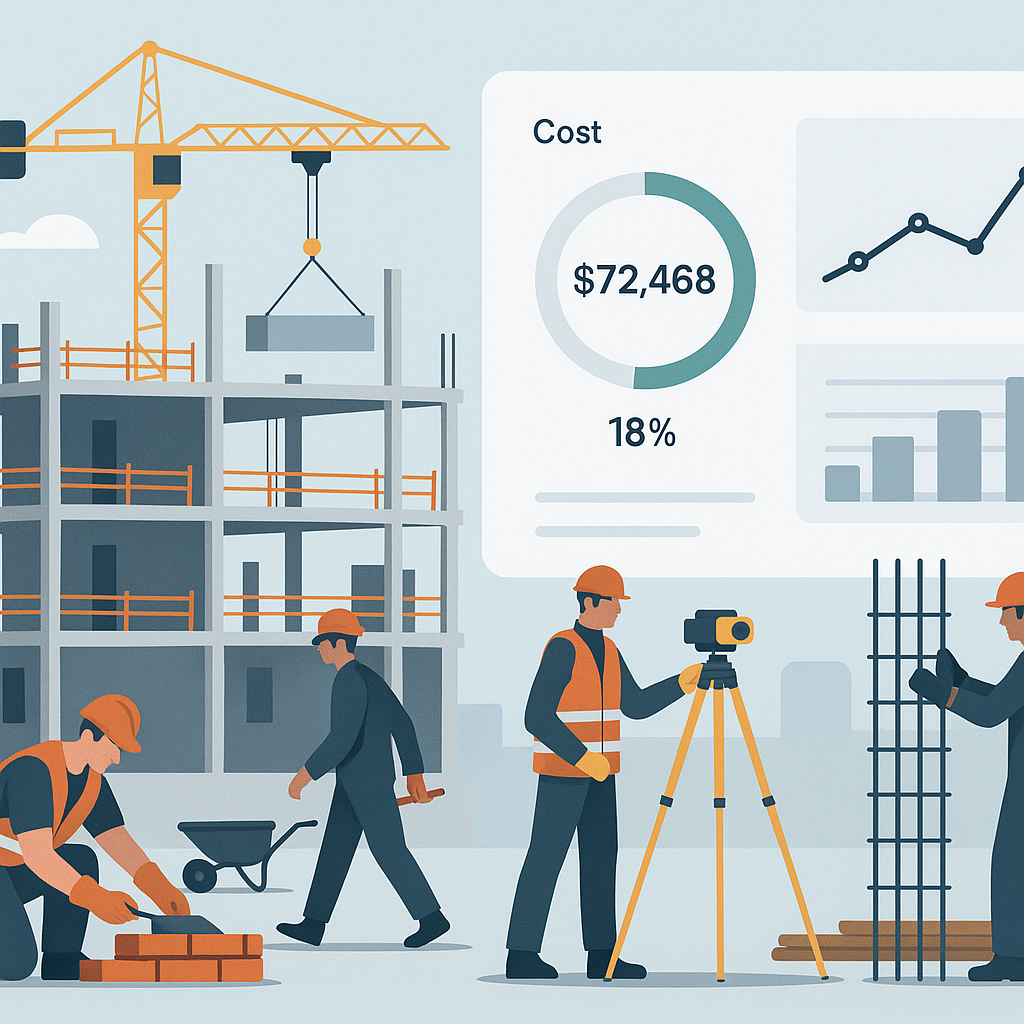
- Live dashboards: You get immediate visibility into project costs, including materials, labor, and subcontractor expenses.
- Automated billing: With 6 billing methods (RA Bills, stage-wise, monthly, supply BOQ, combined, one-time), you ensure every rupee is accounted for.
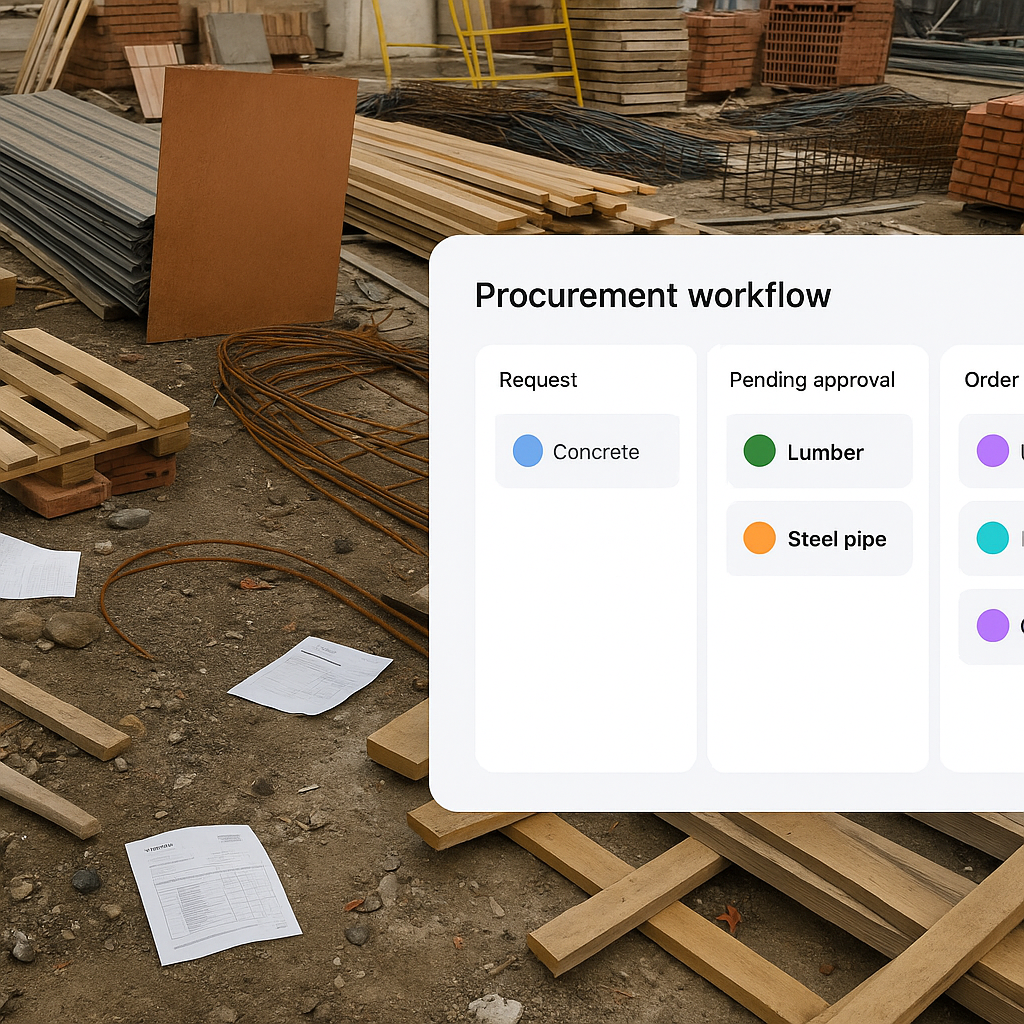
- Approval workflows: Structured procurement workflows (MR → RFQ → Vendor Offers → PO) eliminate manual chaos and reduce errors.
For example, one contractor we worked with tracked billing accuracy using JobNext and recovered ₹12 lakhs in underbilled RA payments within six months. Read more here.
How to Implement ERP Without Losing Your Mind
Now, you might be thinking: “ERP sounds great, but isn’t implementation a nightmare?” It can be — if you don’t plan it well. Here’s a practical roadmap:
- Start small: Don’t try to digitize everything at once. Begin with your biggest pain points, like procurement or billing.
- Train your team: ERP isn’t plug-and-play. Ensure your site managers, accountants, and procurement heads understand how it works.
- Integrate existing tools: If you’re using Tally for GST and statutory compliance, choose an ERP that integrates seamlessly (like JobNext).
Want a deeper dive into ERP implementation strategies? Check out The Contractor's First ERP: What Nobody Tells You About Going Digital.
Common Pitfalls (And How to Avoid Them)
- Over-customization: Resist the urge to tweak the ERP for every small process. Stick to core workflows.
- Ignoring project teams: ERP isn’t just for finance or procurement. Field teams need to use it too.
- Lack of follow-up: Don’t just implement ERP and move on. Monitor usage metrics and ensure adoption.
The Bottom Line
If you’re a contractor managing multiple projects, ERP isn’t optional anymore. It’s the difference between scaling profitably and drowning in operational chaos. Systems like JobNext don’t just save time — they protect your margins.
The real question isn’t whether you need ERP. It’s whether you can afford to keep operating without it.
Ready to explore ERP options? Visit JobNext for more insights and case studies.
Ready to see JobNext in action?
Multi-tenant SaaS ERP for construction, facilities management, and contracting — covering preconstruction, project execution, procurement, HR & payroll, equipment, finance, and 150+ analytics reports.
Get Started Free →Learn more at SoftNext Solutions