The Silent Killer of Contractor Margins: Subcontractor Cost Overruns
In construction, subcontractors are critical. But they’re also one of the biggest reasons contractors lose money. Why? Poor oversight. A 2025 report from XPedeon found that subcontractor mismanagement can erode project margins by 10-15%. That’s brutal when your margins are already razor-thin.
The Big Picture: Why Subcontractor Oversight Matters
Subcontractors are the backbone of any construction project. They handle specialized tasks like civil works, mechanical, electrical, plumbing (MEP), and finishing. But managing these teams without proper systems can turn into a logistical nightmare. And when things go wrong, it’s not just a minor hiccup—it’s a financial disaster.
Let’s get specific. Imagine this: A ₹25 crore project. You hire multiple subcontractors for different scopes of work. But you’re tracking their progress on Excel sheets and WhatsApp updates. Measurement sheets are delayed, approvals get bottlenecked, and, before you know it, you’ve overpaid ₹30 lakh. Sound familiar?
According to the Construction Industry Institute (CII), poor subcontractor management accounts for up to 40% of project delays and cost overruns globally. That’s not just inefficiency—it’s a direct hit to your bottom line.
Common Subcontractor Management Challenges
To understand why subcontractor cost overruns are so prevalent, let’s break down the root causes:
-
Manual Processes and Errors
- Many contractors still rely on Excel sheets, outdated software, or even paper-based systems. These methods are prone to human error and delays.
- For example, a mismatch in measurement sheets can lead to overpayments or disputes. A minor error in one project can snowball when multiplied across multiple projects.
-
Lack of Real-Time Visibility
- Without real-time tracking, contractors often find out about cost overruns too late—when the damage is already done.
- A survey by KPMG found that 60% of construction companies have little or no real-time project visibility, which contributes to budget overruns.
-
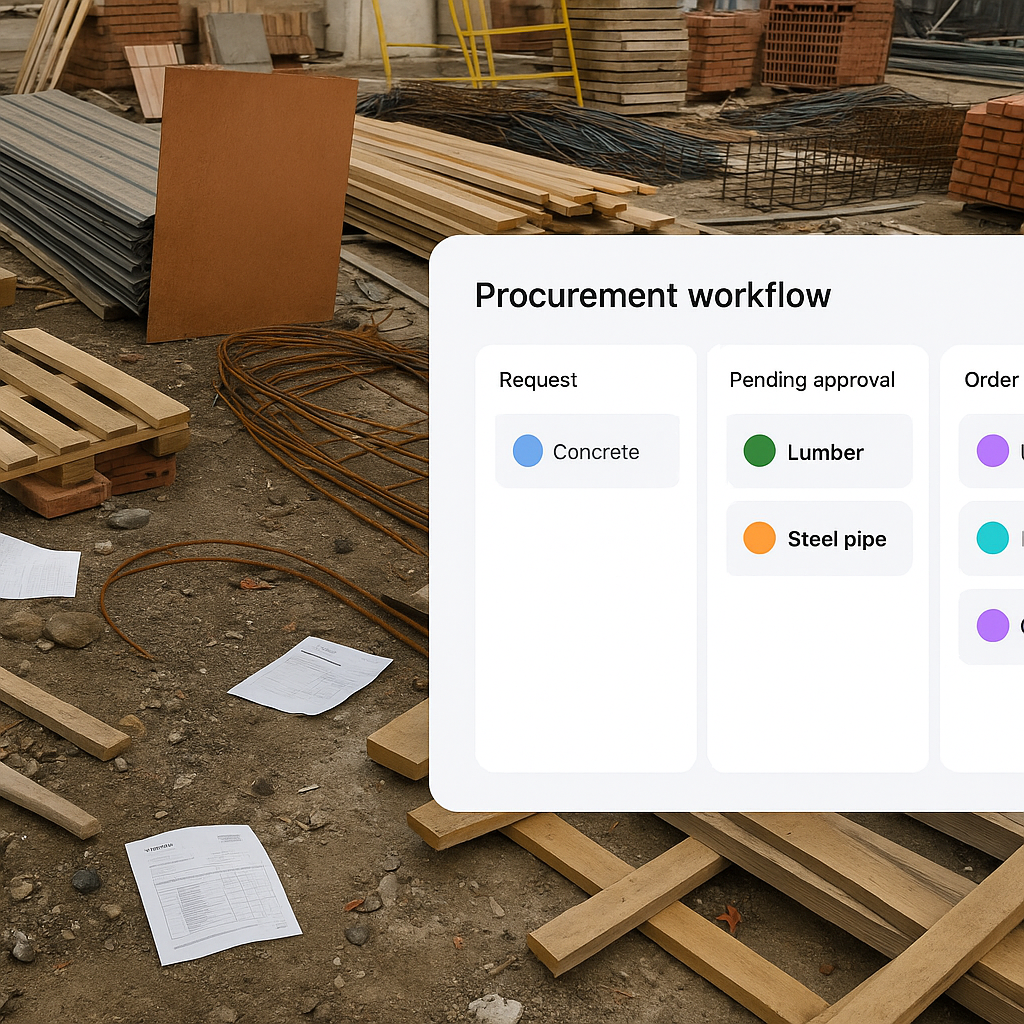
Approval Bottlenecks
- Payment delays due to unclear approval workflows frustrate subcontractors, leading to strained relationships and project delays.
- Example: A subcontractor submits a bill for ₹10 lakh, but due to a delayed approval process, the payment is held up for weeks. This disrupts cash flow for both parties.
-
Scope Creep
- Subcontractors often perform work outside their original scope without proper documentation or approval, leading to unplanned expenses.
-
Disputes Over Payments
- Disputes arise when there’s no clarity on what work was completed and approved. This is especially common in manual systems where records are inconsistent.
How ERP Solves Subcontractor Chaos
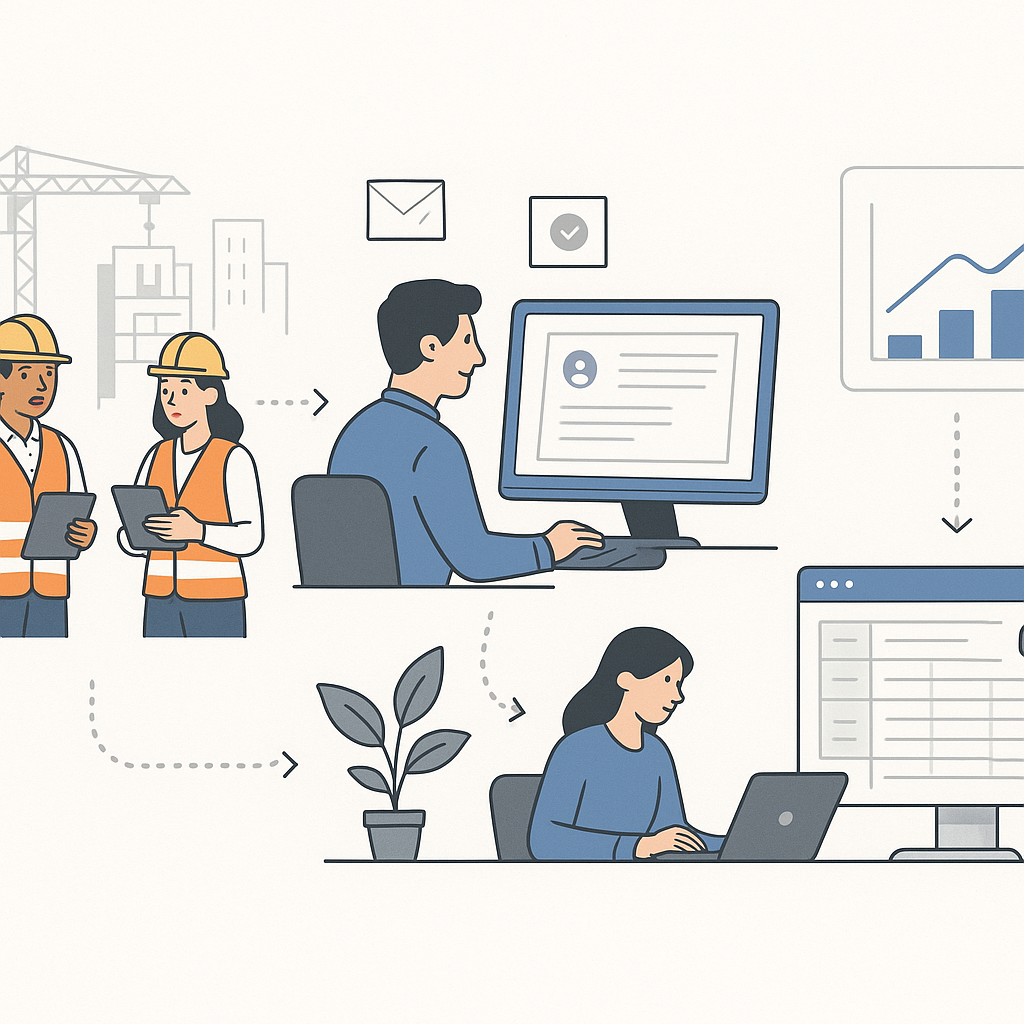
ERP systems specifically designed for construction don’t just replace spreadsheets—they enforce discipline and streamline processes. Here’s how tools like JobNext can help:
1. Measurement-Based Progress Tracking
Subcontractors get paid based on actual work done, right? But manual measurement sheets are error-prone and disputes are common. JobNext eliminates this by:
- Digitizing Measurement Sheets: All measurements are logged digitally, reducing errors and ensuring accuracy.
- Tying Progress to Payments: Payments are directly linked to validated work progress. No measurement, no payment.
Example: A contractor managing 10 projects used manual systems to track progress. After switching to JobNext, they reduced payment disputes by 70% within six months.
2. Approval Workflows That Prevent Overruns
ERP systems enforce structured approval workflows. Here’s how JobNext handles it:
- Multi-Level Approvals: Every work order and payment request is validated against the project budget.
- Automated Flags: If a subcontractor submits a bill for ₹10 lakh but only ₹8 lakh is approved, the system flags it for review.
Actionable Tip: Set up approval workflows to include project managers, finance teams, and senior management for payments exceeding a certain threshold.
3. Real-Time Cost Control
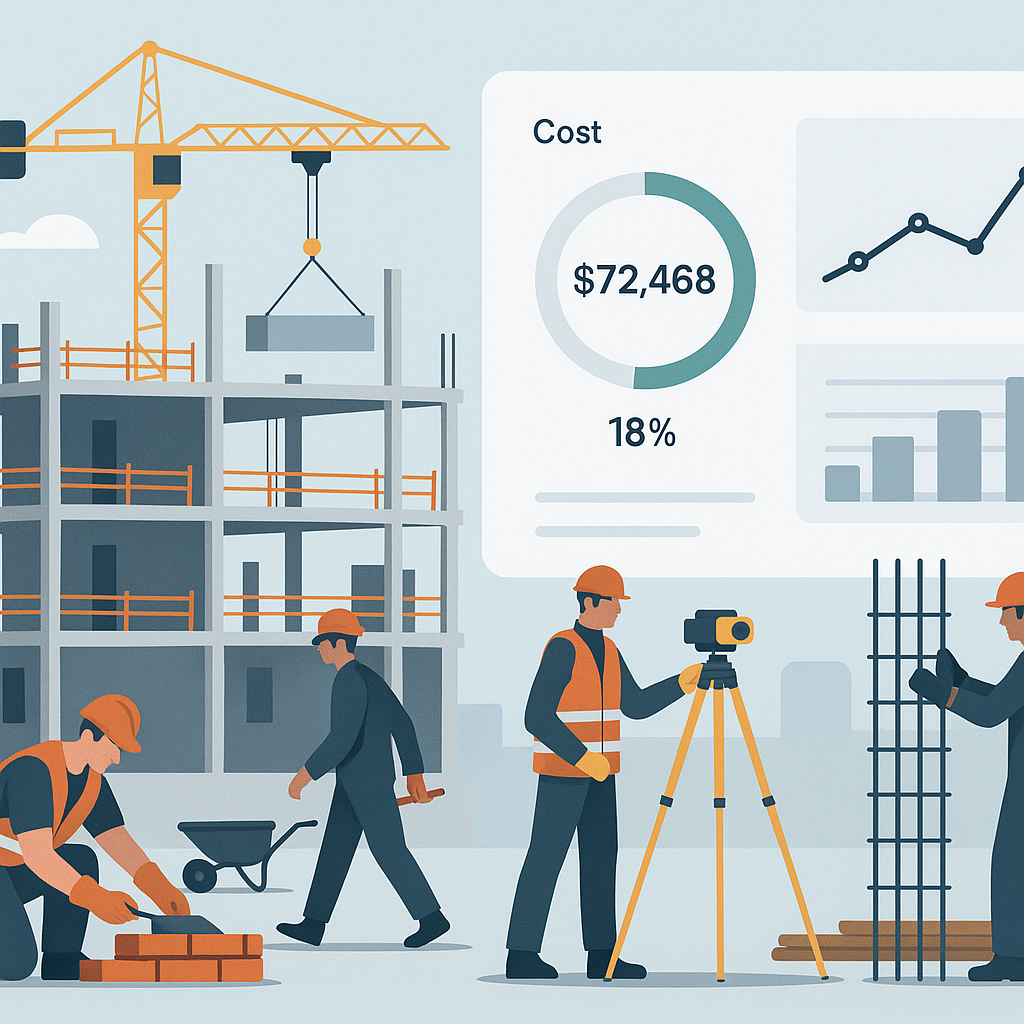
One of the biggest advantages of ERP is real-time dashboards that track subcontractor costs at a granular level (e.g., BOQ level). With JobNext, contractors can:
- Monitor expenses daily to identify trends.
- Compare actual costs against the budget.
Example: A contractor in Gujarat managing five projects used JobNext to identify a ₹15 lakh overrun in one project. Early detection allowed them to renegotiate rates and recover ₹8 lakh.
4. Centralized Documentation
ERP platforms store all work orders, contracts, and payment records in one place. This eliminates confusion and ensures compliance during audits.
Real Results: ₹1.2 Crore Saved
Case studies show how ERP can transform subcontractor management. Here’s a real-world example:
- Client: A mid-sized EPC contractor in Maharashtra managing 18 concurrent projects.
- Problem: Subcontractor mismanagement was costing ₹1.2 crore annually due to payment errors, delays, and scope creep.
- Solution: They implemented JobNext, which enforced structured workflows, digitized measurement sheets, and provided real-time cost tracking.
- Outcome: Cost overruns were reduced by 80% within the first year, saving ₹96 lakh.
For more on structured workflows, read: ₹1.2 Crore Lost to Chaos: Why Contractors Need SaaS ERP Now.
Why This Matters Now
The Indian construction market is projected to grow to $1.4 trillion by 2028 (Source). But with growth comes complexity. More subcontractors, more projects, more risk. If your systems can’t scale, you’ll lose.
The Cost of Doing Nothing
- Financial Impact: A 10-15% margin erosion on a ₹50 crore portfolio equals ₹5-7.5 crore in losses annually.
- Reputation Damage: Chronic delays and disputes can hurt your ability to win future projects.
- Operational Inefficiency: Time spent on manual tracking and dispute resolution means less time for strategic growth.
ERP isn’t just a tool—it’s survival. If you’re managing more than 10 projects without an ERP, you’re gambling with your margins.
Actionable Steps to Implement ERP
- Assess Your Needs: Identify pain points like payment disputes, delayed approvals, or lack of visibility.
- Choose the Right ERP: Look for industry-specific features like measurement-based tracking and BOQ-level cost monitoring.
- Start Small: Implement ERP in 1-2 pilot projects before scaling.
- Train Your Team: Ensure all stakeholders understand how to use the system effectively.
- Monitor ROI: Track metrics like cost overruns, dispute resolution time, and subcontractor satisfaction post-implementation.
FAQ
1. How long does ERP implementation take?
Typically 4-6 months for a mid-sized contractor. Larger companies with complex operations may take up to 12 months. The timeline depends on factors like the number of projects and data migration complexity.
2. Isn’t ERP expensive for smaller contractors?
Not anymore. SaaS platforms like JobNext offer scalable subscription plans starting as low as ₹10,000/month. Compare this to the cost of unmanaged overruns, and it’s clear that ERP is a worthwhile investment.
3. Can ERP handle multi-currency operations for GCC projects?
Yes, JobNext supports dual GST for India and GCC VAT compliance, making it suitable for contractors working on international projects.
4. What’s the ROI of implementing ERP for subcontractor management?
Most contractors see ROI within 12-18 months. For example, a contractor reducing overruns by ₹50 lakh annually with an ERP costing ₹12 lakh/year achieves a 4x ROI in the first year.
5. What if subcontractors resist using the system?
Start by onboarding key subcontractors and demonstrating the benefits, like faster payments and reduced disputes. Provide training sessions to ensure a smooth transition.
Comparison Table: Manual Tracking vs. ERP-Based Subcontractor Management
| Feature | Manual Tracking | ERP-Based Management |
|---|---|---|
| Payment Accuracy | High risk of overpayments | Payments linked to validated progress |
| Approval Workflows | Delayed, prone to bottlenecks | Automated and multi-level |
| Cost Visibility | Limited | Real-time dashboards |
| Documentation | Scattered or missing | Centralized and audit-ready |
| Scalability | Inefficient for large projects | Scales with project complexity |
Take Control of Subcontractor Costs
If subcontractor chaos is eating into your profits, it’s time to act. JobNext provides the tools you need to enforce discipline, prevent overruns, and protect your margins. Get started today →
Learn more at SoftNext Solutions