Why Margins Are Shrinking for Small Contractors
Margins in the construction industry are tight—often hovering between 2-7% for most contractors. Yet, many small and mid-size firms lose even these slender profits due to one simple problem: poor cost tracking.
Think about it. You're running 15 projects at the same time. Each has its own BOQs, scopes of work, subcontractors, material procurement, and billing cycles. If you don't have a system that tracks everything in real time, you're flying blind. And flying blind means losing money.
The Silent Killer: Disconnected Systems
Most contractors use a patchwork of tools—Excel for BOQ management, WhatsApp for procurement approvals, Tally for GST compliance, and manual workflows for everything else. The result? Data silos. Your site team doesn't know the latest PO status. Your finance team can't see which subcontractor payments are overdue. And you can't tell whether you're making or losing money on a project until it's too late.
This isn't just a theory. According to JobNext, poor cost tracking and disconnected systems are the biggest causes of margin erosion. Contractors often don't realize how much they're losing until the numbers hit them hard.
How Construction ERP Fixes Cost Tracking
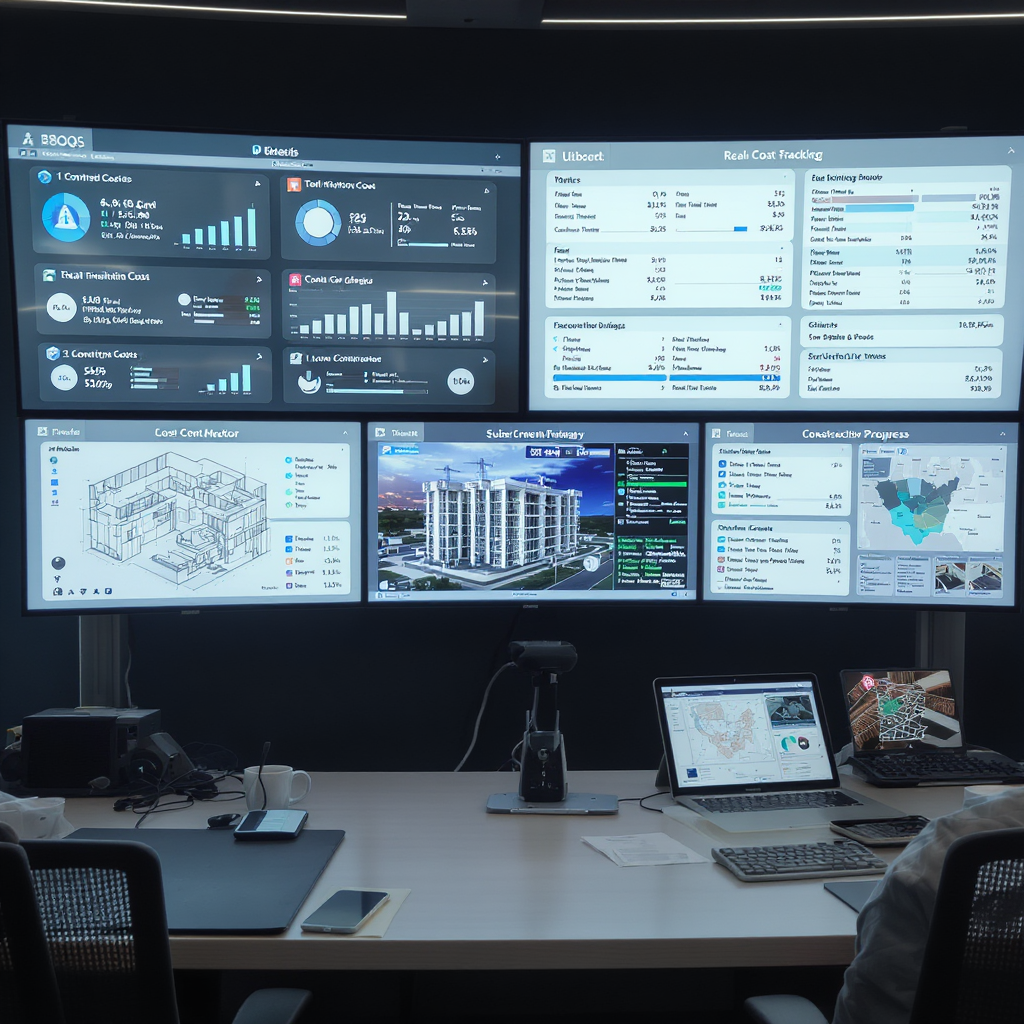
A good construction ERP solves this problem by centralizing cost tracking. For example, JobNext lets you monitor project profitability in real time across BOQs, scopes, and estimates. Here's what that looks like:
-
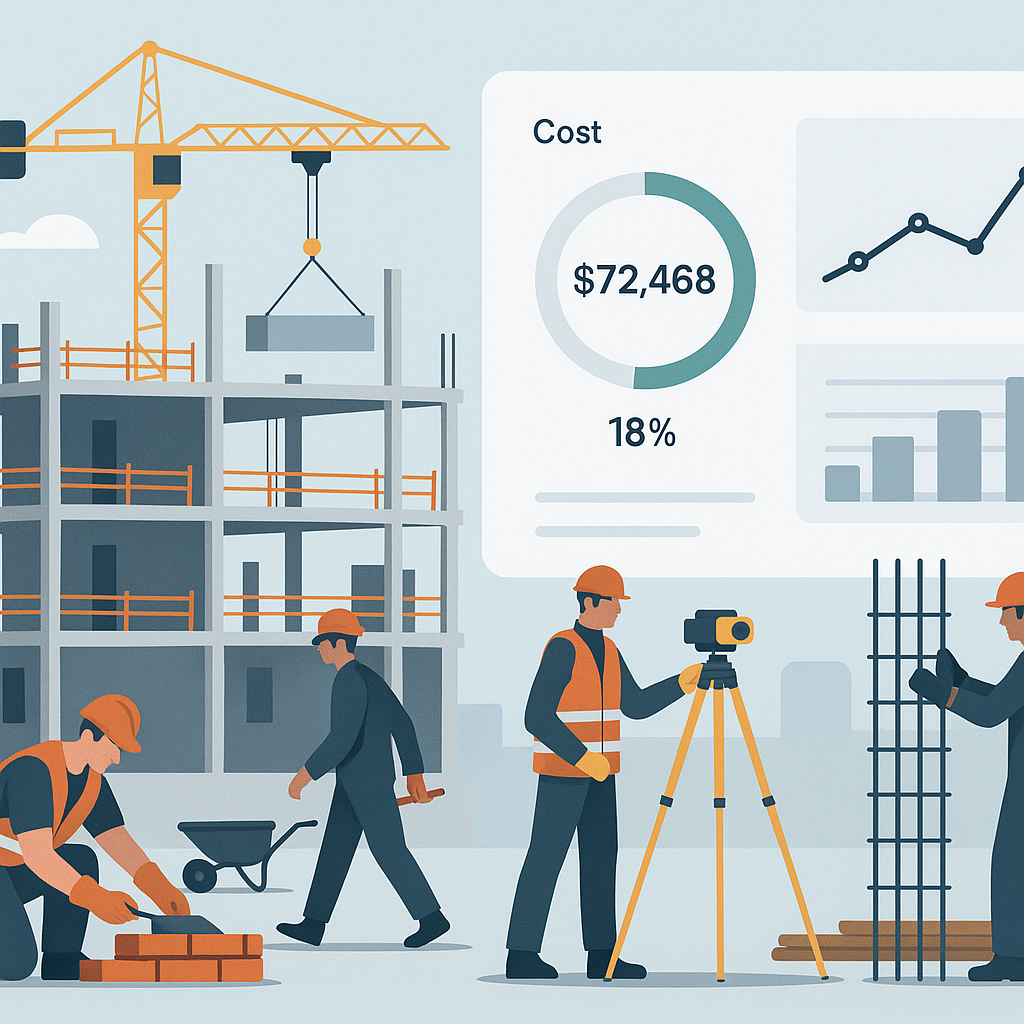
BOQ-Level Tracking: Instead of manually comparing BOQs to actual procurement, an ERP automatically updates costs as materials are ordered and delivered. If a scope exceeds its budget, you’ll know immediately.
-
Integrated Subcontractor Management: ERPs like JobNext link subcontractor work orders to progress measurements, ensuring you pay only for completed work—not estimates.
-
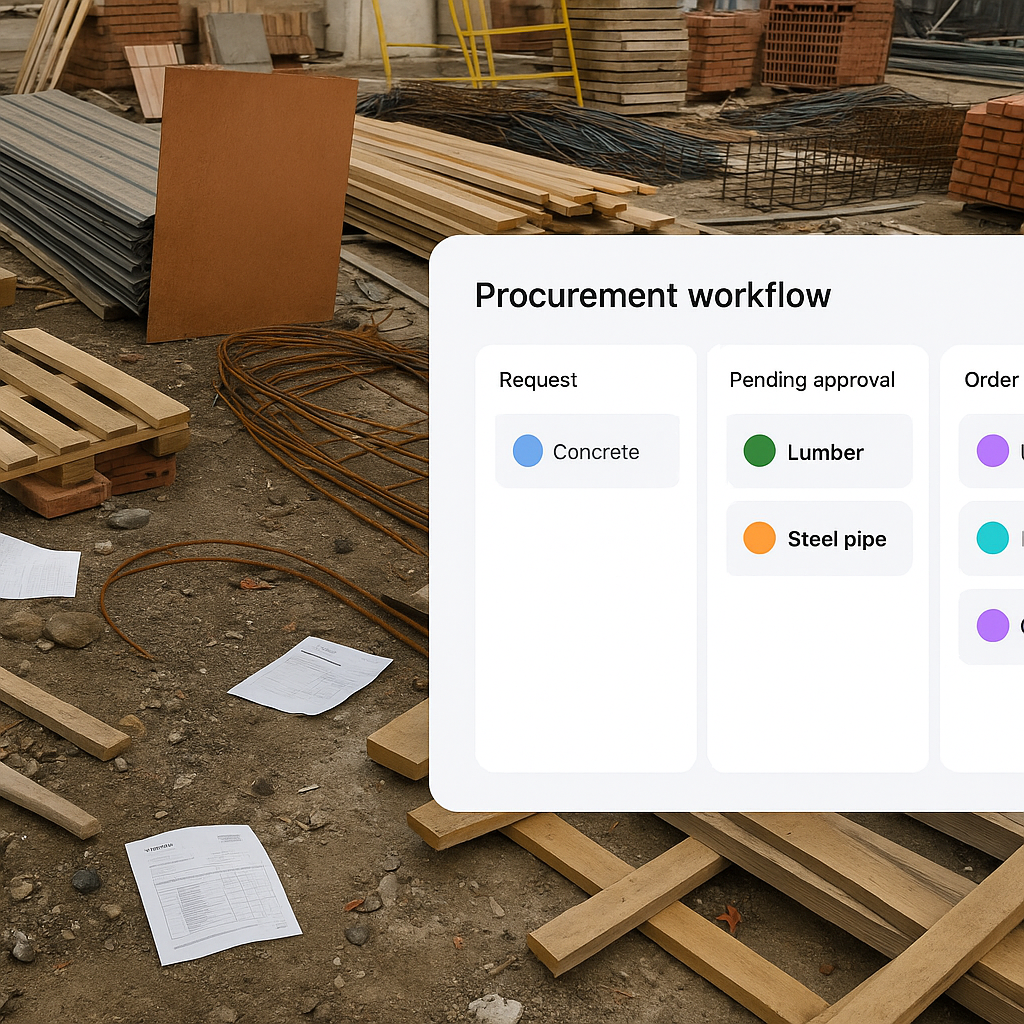
Approval Chains: Forget WhatsApp for procurement approvals. Structured workflows (MR → RFQ → Vendor Offers → PO) ensure every purchase is tracked and approved at the right level.
Real-World Example: ₹20 Lakhs Saved in Cost Overruns
A mid-size EPC contractor in Maharashtra recently implemented JobNext. Before ERP, they'd lose ₹20-30 lakhs annually due to material over-purchasing and duplicate subcontractor payments. Post-implementation, automated cost tracking flagged multiple issues early—saving them ₹21 lakhs in the first year alone.
Why Real-Time Matters
You might be thinking, "Can’t I track costs with Excel and regular audits?" Sure, but audits don’t catch real-time issues. By the time you spot a problem in your monthly review, the damage is often done. Real-time dashboards change the game. You see cost overruns as they happen, not after they've eaten into your margins.
According to JobNext, contractors using cloud ERP see 20% faster project execution and fewer financial surprises. The key is visibility. When every team—from site engineers to finance controllers—works off the same data, nothing falls through the cracks.
The Bottom Line
If you're running multiple projects and relying on manual systems, you're likely losing more money than you realize. A construction ERP like JobNext doesn’t just solve the problem of disconnected tools—it brings real-time cost tracking to the forefront. And in an industry where margins are razor-thin, that’s not a luxury—it’s survival.
Want to know more about how unified systems prevent margin erosion? Read The Hidden Cost of Tool Fragmentation: Why Contractors Need Unified Platforms.
Ready to see JobNext in action?
Multi-tenant SaaS ERP for construction, facilities management, and contracting — covering preconstruction, project execution, procurement, HR & payroll, equipment, finance, and 150+ analytics reports.
Get Started Free →Learn more at SoftNext Solutions