The Hidden Cost of a Disconnected Workforce
Construction isn't like other industries. Your workforce isn’t sitting in a cubicle or logging into Zoom calls. They’re on sites—often multiple ones—spread across cities or even countries. And the stakes are high. A missed update on material delays or a late progress report can snowball into cost overruns or delayed handovers.
Without mobile workforce management, you’ll struggle to pull real-time information from your teams. Think about it. How many times has this happened: A site engineer fills out a daily progress report on paper, sends it to the office two days later, and by the time you review it, it’s already outdated? Not to mention, someone has to manually re-enter this data into your system. It’s slow, error-prone, and inefficient.
The real killer? Disconnected systems. When your project teams, procurement, HR, and finance operate in silos, it’s like trying to drive a car with no dashboard. You’re guessing your speed—and hoping you won’t crash.
Why Mobile Workforce Management is Essential
Mobile workforce management bridges these gaps. It keeps the office and field connected in real time. Imagine this: A project manager on-site needs to raise a material request. Instead of calling the procurement team or sending an email that might get buried, they can log the request instantly through a mobile app. The procurement team gets notified immediately, and the request flows through approval chains without unnecessary delays.
Sounds simple? It is. But the impact is massive. You avoid delays, reduce paperwork, and ensure accountability. Plus, your teams spend less time chasing information and more time actually building.
Real-Time Data = Real-Time Decisions
According to a study by FMI, 96% of data in the construction industry goes unused. Think about that. All those progress reports, timesheets, and material logs—just sitting there. Mobile workforce management platforms fix this by digitizing on-site processes and syncing them to a central system.
For example, JobNext’s HR and payroll module simplifies site attendance tracking. With biometric integration and mobile check-ins, you know exactly who’s on-site—no more chasing spreadsheets or manual roll calls. This feeds directly into payroll, cutting processing time and reducing errors. A case study on Al Nab’a Services showed how automating workforce management reduced payroll cycles from 21 days to 5 days. For mid-size contractors, that’s a game-changer.
The Role of Structured Workflows
Here’s where things often go wrong: contractors rely on ad-hoc workflows. Material requests via WhatsApp. Timesheets on paper. Purchase orders in Excel. Sound familiar? This chaos leads to miscommunication, missed approvals, and revenue leaks.
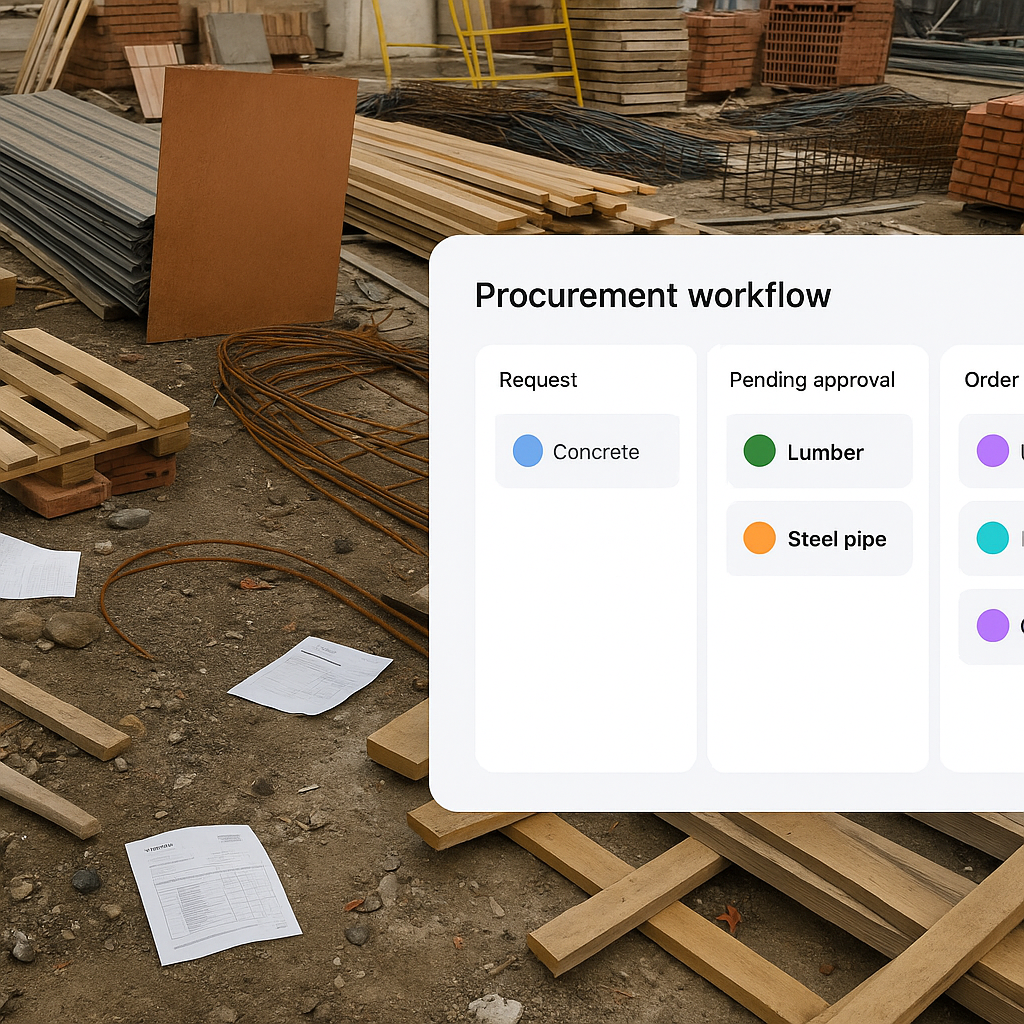
Mobile workforce management tools enforce structure. Take JobNext’s procurement workflow: Material Requests (MR) → RFQ (Request for Quotations) → Vendor Offers → Purchase Order (PO). With mobile access, site teams can raise MRs, track RFQs, and get approvals on the go. No more bottlenecks waiting for someone to “get back to the office.”
This isn’t just about convenience. It’s about control. Structured workflows mean accountability at every step, ensuring nothing falls through the cracks. And when you’re operating on razor-thin margins, every missed approval or delayed order costs real money.
Skeptical? Let’s Talk ROI
You might be thinking, “Sounds great, but how much does this cost?” Fair point. But let’s flip the question: How much are disconnected systems costing you now?
- Labor inefficiencies: If your teams spend hours consolidating data instead of acting on it, you’re burning money.
- Delayed decisions: Without real-time updates, you’re making decisions based on old data. That’s risky.
- Revenue leaks: Missing scope items in billing, overpaying subcontractors, or duplicating material orders—all add up.
The ROI on mobile workforce management comes from cutting these inefficiencies. According to McKinsey, improving labor productivity in construction by just 1% can save the industry $100 billion annually. Even if your slice of that pie is small, the numbers make sense.
Where to Start
Adopting mobile workforce management doesn’t mean overhauling everything overnight. Start small. Pick one process—like attendance tracking or material requests—and digitize it. Once your teams see the benefits, scaling becomes easier.
JobNext’s phased implementation approach is perfect for this. As we’ve discussed in ERP Implementation for Contractors: The Phased Approach That Actually Works, trying to do everything at once is a recipe for failure. Focus on quick wins to build momentum.
The Bottom Line
Construction is hard enough without the chaos of disorganized workflows. Mobile workforce management isn’t just a tech trend—it’s a necessity. It connects your office and field, eliminates blind spots, and ensures everyone is working off the same playbook.
If you’re serious about staying competitive, it’s time to ditch the paper and spreadsheets. Tools like JobNext don’t just make life easier—they make your business more profitable. And in an industry as cutthroat as construction, that’s a no-brainer.
Ready to see JobNext in action?
Multi-tenant SaaS ERP for construction, facilities management, and contracting — covering preconstruction, project execution, procurement, HR & payroll, equipment, finance, and 150+ analytics reports.
Get Started Free →Learn more at SoftNext Solutions