Billing Chaos: The Hidden Margin Killer
Revenue leakage in construction isn't dramatic. It's sneaky. You don't notice it until the client says, "This invoice doesn't match the BOQ," or until you realize a completed scope never got billed. Contractors often underestimate the financial damage caused by inefficient billing practices.
How bad is it? A typical mid-size contractor running 10+ projects might lose ₹12 lakh annually to unstructured billing practices. This revenue leakage stems from three major areas:
- Missed invoices due to manual tracking.
- Billing disputes over overcharges or incorrect BOQs.
- Human errors like forgetting deductions or applying wrong rates.
This article dives deep into why billing chaos persists in construction, how structured systems like ERP can fix it, and actionable steps you can take today to stop the bleeding.
Why Contractors Struggle with Billing
Billing in construction is uniquely messy because no two contracts look the same. Your projects might involve:
- Running Account (RA) Bills for monthly progress claims.
- Stage-wise billing tied to milestones.
- BOQ-based supply billing for material deliveries.
- Combined billing across multiple scopes under one client.
Now multiply these billing methods across 20 projects. That's the chaos contractors deal with every day. Without a structured system in place, billing becomes a nightmare:
Concrete Examples of Billing Chaos:
-
Missed Invoices: A contractor completed additional work that wasn’t captured in the invoice. It went unnoticed until the client refused payment.
- Impact: ₹1 lakh lost on a single deliverable.
-
Excel Errors: A junior staff member accidentally applied the wrong rates in the billing sheet. The client caught it, leading to a ₹5 lakh dispute and delayed payments.
- Impact: Margins shrink as time is wasted resolving disputes.
-
Untraceable Emails: A client asks for a clarification on deductions applied to their invoice. The billing team can't find the email chain that authorized the deduction.
- Impact: ₹50,000 written off as a goodwill gesture.
Actionable Steps to Fix Billing Chaos
If you're currently relying on manual tracking or outdated systems, here are steps to regain control:
1. Standardize Billing Practices
- Create templates for RA bills, milestone-based stages, and BOQ invoices.
- Set approval workflows for billing adjustments to prevent unauthorized changes.
- Train your team on consistent processes for measurement sheets and deductions.
2. Invest in Technology
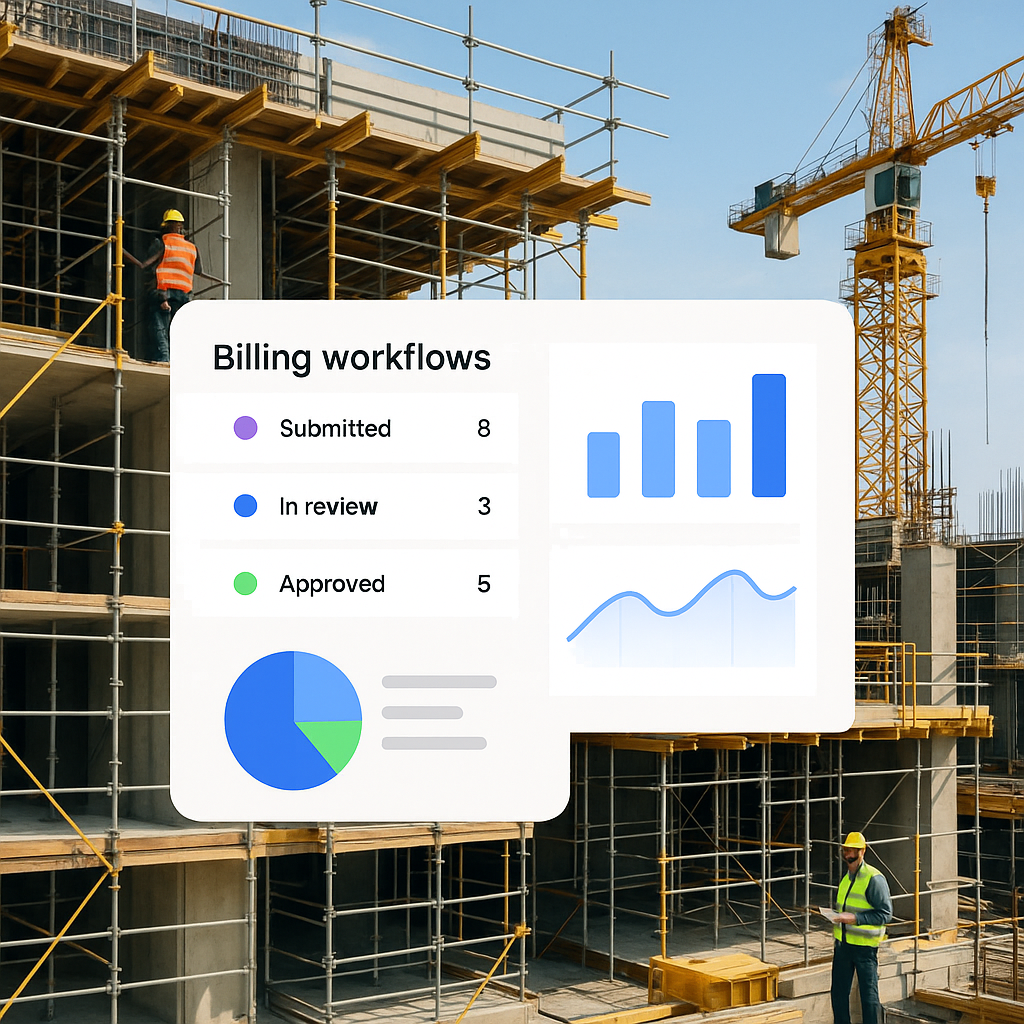
- Use ERP systems like JobNext to automate billing workflows.
- Ensure your ERP supports hybrid billing methods to handle complex contracts.
- Integrate ERP with accounting software like Tally for seamless finance tracking.
3. Audit Your Billing Regularly
- Run monthly audits to catch missed invoices and disputes early.
- Compare actual progress against billed amounts to ensure alignment.
- Create an escalation matrix for disputes to resolve them faster.
How ERP Fixes Billing Problems
Structured ERP systems solve these challenges with workflows designed specifically for construction billing complexities. Here's how JobNext tackles billing chaos:
Features That Solve Billing Problems:
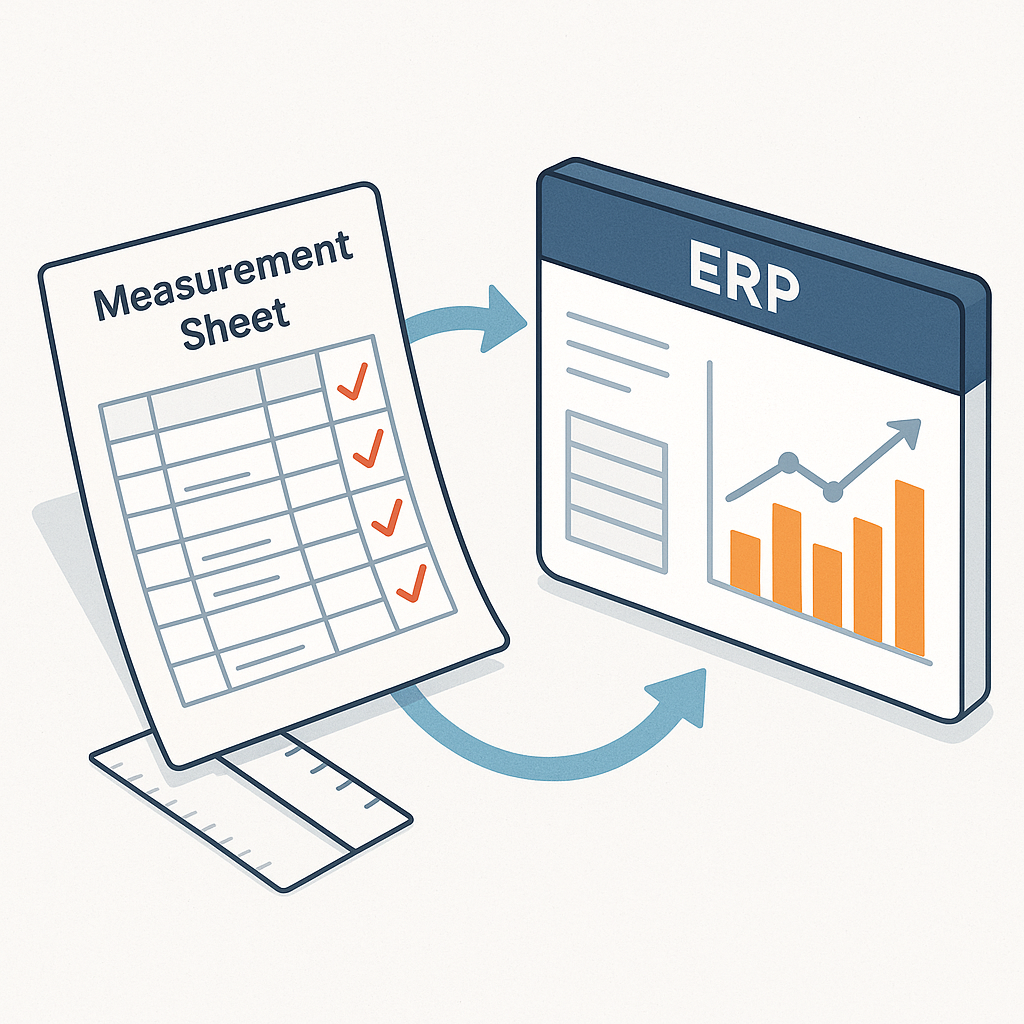
- RA Bills: Monthly progress claims auto-generated from measurement sheets ensure no work goes unbilled.
- Stage-Wise Billing: Certification-driven invoices tied to milestones eliminate disputes over deliverables.
- Supply BOQ Billing: Itemized billing for material deliveries reduces errors.
- Combined Billing: Consolidates multiple scopes into one invoice for clients handling diverse contracts.
- Recurring Service Contracts: Automates monthly measurements and invoices for predictable revenue streams.
- One-Time Billing: Handles ad hoc projects or small jobs seamlessly.
Real-World Example:
A contractor managing 12 projects switched to JobNext's ERP system. Within six months:
- ₹9 lakh of missed invoices were recovered.
- Billing disputes reduced by 70%.
- Manual billing time dropped by 40%.
Real-World Savings
A recent blog on SoftNext Solutions highlighted the financial benefits of ERP adoption. Contractors who switched to structured billing systems reported saving up to ₹12 lakh annually by:
- Catching unbilled work: Automated workflows ensure no deliverable is missed.
- Preventing overbilling disputes: Locked BOQs and approval workflows reduce errors.
- Automating deductions and recoveries: ERP systems calculate deductions accurately, eliminating manual mistakes.
Is ERP Worth the Investment?
You might be thinking, "₹12 lakh sounds great, but ERP systems are expensive." Let’s break it down:
Cost vs. Benefit Analysis:
- Annual Revenue Leakage: ₹12 lakh lost in billing errors.
- ERP Cost: ₹10-15 lakh for implementation (one-time) and ₹3-5 lakh/year for maintenance.
- ROI: The system pays for itself within the first year just by fixing billing errors.
Scalable Pricing for Small Contractors:
Cloud-based ERP systems like JobNext offer pricing models tailored to contractors managing 5-10 projects:
- Monthly Subscription Plans: No upfront capital expense.
- Hybrid Billing Support: Use RA billing for one scope and stage-wise billing for another under the same project.
FAQs
Q: What if my contracts mix different billing methods? A: ERP systems like JobNext allow for hybrid setups. You can use RA billing for one scope and stage-wise billing for another under the same client.
Q: How does ERP handle disputes over BOQs? A: BOQs in ERP systems are locked and auditable. Any changes require multi-level approval, creating a paper trail that prevents unauthorized edits.
Q: Can ERP integrate with my accounting software? A: Yes. JobNext integrates with tools like Tally for statutory compliance and bank reconciliation.
Q: Will ERP work for small contractors with fewer projects? A: Absolutely. Cloud-based ERP systems are scalable and offer subscription pricing that suits small and medium-sized contractors.
Q: How long does ERP implementation take? A: Depending on the complexity, implementation can take 2-6 months. Cloud-based systems are often faster, with basic setups operational within weeks.
Decision Framework: Should You Invest in ERP?
| Factor | ERP Benefits | Manual Billing Risks |
|---|---|---|
| Project Complexity | Handles hybrid billing methods seamlessly | Manual tracking struggles with complex contracts |
| Revenue Leakage | Prevents missed invoices and disputes | ₹12 lakh/year lost to errors |
| Team Size | Reduces billing time and errors across large teams | Increased workload for billing staff |
| Scalability | Grows with your projects; cloud-based options for smaller contractors | Manual methods crash under scale |
| Initial Cost | ₹10-15 lakh upfront (or subscription-based for small contractors) | No upfront cost, but higher long-term losses |
| ROI | Pays for itself in 1 year; savings grow with project size | No ROI—losses compound as projects expand |
If you're tired of chasing invoices and losing revenue, ERP might be the fix. Get started free →
Learn more at SoftNext Solutions