The Hidden Drain in Procurement
Margins in construction aren’t just thin—they’re razor-thin. For small contractors, even a single missed purchase order can snowball into chaos: delayed project timelines, angry clients, and financial losses that feel like a gut punch. But here’s the kicker—most of these issues aren’t because of bad intentions or lack of effort. They’re caused by outdated systems and manual workflows.
Let’s talk numbers. A mid-size contractor handling 15 concurrent projects typically raises hundreds of material requisitions (MRs) monthly. Each MR goes through RFQs (requests for quotes), vendor offer evaluations, and purchase orders (POs). Every step is a potential failure point. Without a structured system, mistakes like duplicate POs, missing approvals, or untracked deliveries can easily cost ₹25 lakh annually—or more.
The Real Problem? Lack of Structure.
In my experience, most contractors rely on spreadsheets, WhatsApp, and emails to manage procurement. It works—until it doesn’t. I’ve seen companies lose lakhs because someone placed an urgent order without checking the budget, or because a supplier overbilled for items beyond the agreed contract. These aren’t isolated incidents. They’re systemic problems.
Example: The Domino Effect of Poor Procurement
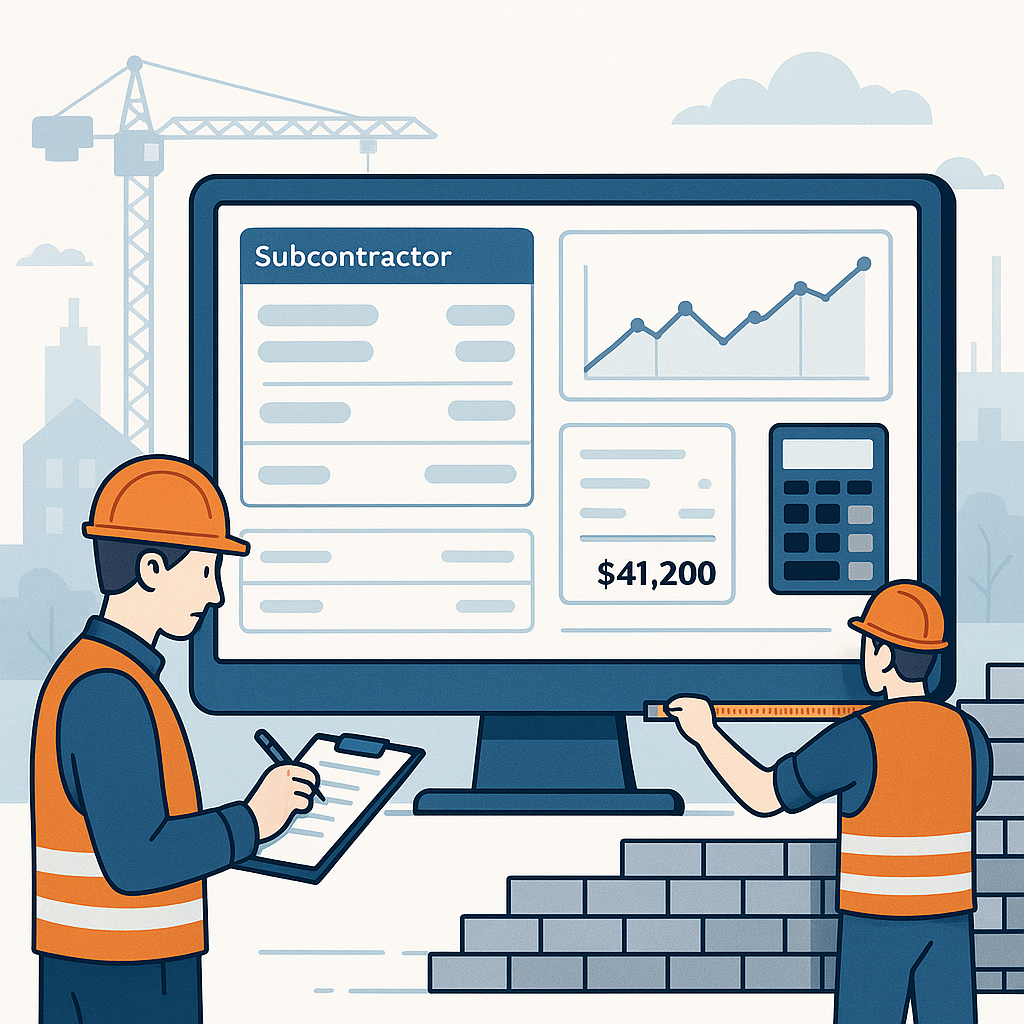
Picture this: A site manager realizes they’re short on rebar for a critical concrete pour scheduled the next day. They bypass the standard requisition process to call their go-to vendor directly. The vendor delivers, but the invoice arrives two weeks later with a 15% price hike compared to the agreed-upon rate. By the time finance flags the issue, the material is already used, and the vendor refuses to adjust the rate. Loss? ₹3 lakh.
Multiply this by several projects and multiple such incidents over a year, and you can see how the lack of structure bleeds money from your margins.
How ERP Systems Fix This
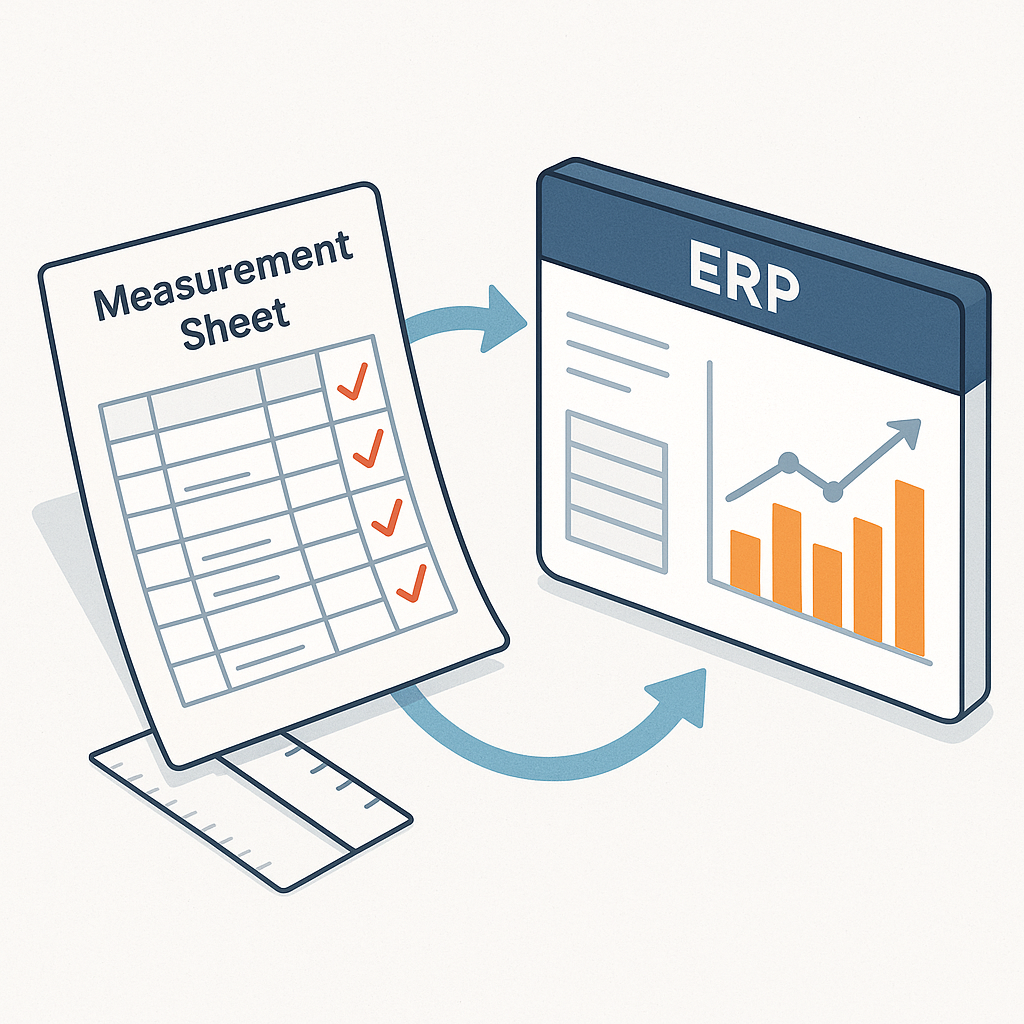
An ERP system tailored for construction changes the game. Take JobNext, for example. It enforces a structured procurement workflow:
- Material Requisition (MR): Site teams raise requests directly in the system, tagging them to specific jobs or BOQs (Bill of Quantities).
- RFQ Generation: Procurement teams can issue RFQs to pre-qualified vendors, ensuring competitive pricing.
- Vendor Offers: Offers are evaluated within the system, with configurable approval workflows that prevent unauthorized purchases.
- PO Creation: Only approved offers convert into purchase orders, locking quantities and rates to avoid disputes.
This isn’t just automation—it’s discipline. Every step is tracked, every approval is recorded, and every transaction is tied to the project budget. Softnext Solutions has a detailed case study on how ERP systems like JobNext save contractors millions by plugging these leaks.
Actionable Steps to Implement ERP for Procurement
- Audit Your Current Process: Map out your existing workflows for material requisitions, RFQs, and POs. Identify bottlenecks and failure points.
- Choose the Right ERP: Look for a system like JobNext that is designed specifically for construction. Generic ERPs might lack key features like BOQ tagging or project-specific budgeting.
- Start Small: Roll out the ERP in phases. Begin with a pilot on one project to test workflows and gather feedback.
- Train Your Team: Invest in hands-on training sessions for your site managers and procurement staff. User adoption is critical to success.
- Monitor and Optimize: Use the ERP’s reporting tools to track key metrics like PO cycle time, vendor compliance, and cost overruns. Adjust workflows as needed.
Real-World Example: Missed Approvals
Here’s a scenario I’ve seen play out far too often. A site manager urgently needs cement and bypasses the MR process to call a vendor directly. The vendor delivers the material, but the invoice exceeds the budgeted rate. Finance flags the discrepancy weeks later, but by then, the material is used, and there’s no leverage to negotiate. Total loss? ₹2-3 lakh.
With an ERP system, this doesn’t happen. JobNext, for instance, integrates approval workflows directly into the procurement process. If the PO exceeds the budget, it gets escalated to higher management for review. No approvals, no order—it’s that simple.
Why Small Contractors Can’t Afford to Ignore ERP
You might be thinking: “ERP systems sound expensive and complicated. Can’t we just fix our processes manually?” The answer is no—because manual fixes don’t scale. As your business grows from 5 projects to 15, the complexity explodes. Without a centralized system, errors multiply. And the cost of those errors dwarfs the investment in ERP.
Data Point: The Cost of Manual Errors
According to research by Construction Business Owner, construction companies lose an average of 3-5% of their total project costs to inefficiencies in procurement and material management. For a contractor handling ₹50 crore in annual projects, that’s ₹1.5 to ₹2.5 crore lost every year.
A 2026 guide on construction ERP benefits explains this well. ERP systems reduce cycle times for RFQ-to-PO workflows, improve vendor compliance tracking, and eliminate manual errors. For contractors, this translates directly into faster project delivery and higher profit margins.
Comparison of Manual vs. ERP-Based Procurement
| Feature | Manual Process | ERP-Based Process |
|---|---|---|
| Material Tracking | Spreadsheets prone to errors | Centralized, real-time tracking |
| Approvals | Delays due to email/WhatsApp | Automated workflows, instant alerts |
| Vendor Compliance | No systematic tracking | Pre-qualified vendor database |
| Cost Control | Reactive, post-invoice corrections | Proactive, budget-locked POs |
| Scalability | Breaks down as projects increase | Scales seamlessly with growth |
The Bottom Line
Procurement chaos isn’t just a nuisance—it’s a silent killer for margins. ERP systems like JobNext don’t just streamline workflows; they enforce accountability. Every PO is tied to a budget, every delivery is tracked, and every vendor interaction is documented.
If you’re a contractor struggling with procurement inefficiencies, don’t wait for the next ₹25 lakh mistake. Get started free →
FAQ
Q: Isn’t ERP too expensive for small contractors?
A: Not anymore. SaaS platforms like JobNext offer scalable pricing based on company size. You don’t need ₹1 crore to implement ERP anymore.
Q: How long does ERP implementation take?
A: It depends on the system and your team’s readiness. For JobNext, most small contractors see full deployment within 6-8 weeks.
Q: What if my team isn’t tech-savvy?
A: Modern ERP systems are designed for ease of use. JobNext, for example, offers intuitive dashboards and role-based access, so users only see what’s relevant to them.
Q: Can ERP handle urgent orders?
A: Absolutely. Systems like JobNext include “Quick Orders” for urgent purchases, bypassing the standard MR/RFQ cycle while still enforcing budget checks.
Q: Is ERP suitable for contractors with just 5-10 projects?
A: Yes. ERP systems aren’t just for large companies. Even small contractors benefit from structured workflows and better visibility into costs.
Data Sources
- ₹25 Lakh Lost to Procurement Chaos? Here’s the SaaS Fix Contractors Miss
- Construction ERP Guide: Benefits, Types and Selection Guide
- Benefits of ERP in Construction Industry
- What is Construction ERP? Features for Contractors
Learn more at SoftNext Solutions