₹50 Lakh Lost to Revenue Leakage: The Billing Problem Contractors Ignore
Revenue leakage is a silent killer in construction. At first glance, you might think it’s about big mistakes—like forgetting to invoice a client or miscalculating a Bill of Quantities (BOQ). But often, it’s the smaller, repeated gaps that bleed the most money. Missed recoveries, stage-wise billing errors, and manual measurement missteps are the real culprits that quietly drain your bottom line.
How Big Is the Problem?
We’ve seen contractors lose ₹50 lakh or more annually due to billing gaps alone. And no, this isn’t just theoretical—it’s backed by real-world numbers. For instance, one mid-sized Mechanical, Electrical, and Plumbing (MEP) contractor reported a loss of ₹12 lakh in a single year due to disputes arising from manual measurement errors. Their billing team relied on Excel spreadsheets to manage their Running Account (RA) bills. The outcome? Inconsistent recoveries, prolonged client disputes, and delayed payments.
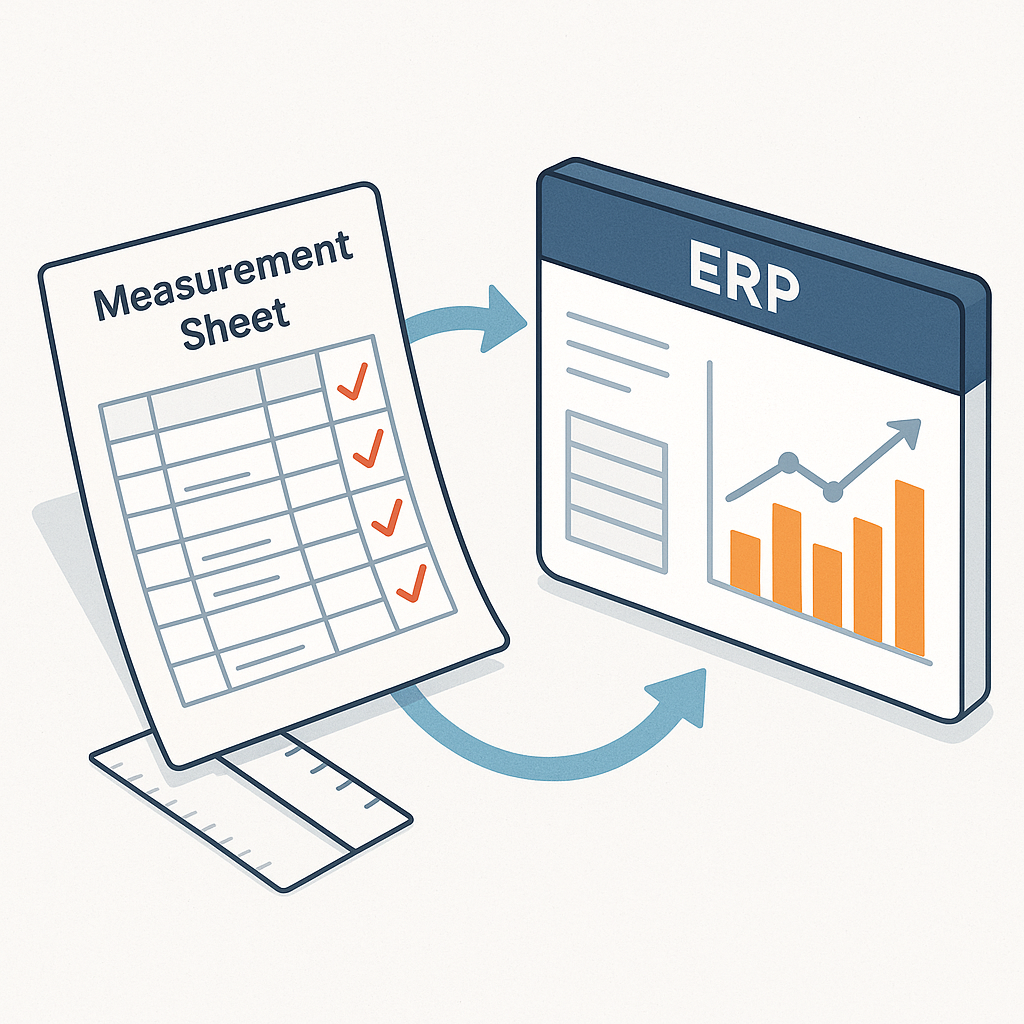
The fix for this contractor was adopting a structured ERP (Enterprise Resource Planning) workflow. By locking recoveries into the measurement-to-invoice chain, they prevented future revenue leakage and improved cash flow. This example is just the tip of the iceberg. Let’s dig deeper into why manual billing fails and how technology addresses these gaps.
Why Manual Billing Fails
Manual billing systems are prone to inefficiencies and errors, especially in the construction industry, where multiple billing methods and complex recoveries are the norm. Here’s why manual processes often fall short:
1. Multiple Billing Methods = Chaos
Construction contracts often involve six key billing methods:
- Running Account (RA) bills
- Stage-wise milestone billing
- Monthly progress-based billing
- Supply-only BOQ billing
- Combined billing (labor + materials)
- One-time invoices
If your system can’t seamlessly handle all these methods, your billing process will collapse into chaos. Teams often juggle between spreadsheets and accounting software, which leads to missing recoveries, duplicate entries, or worse—missed invoices altogether.
2. Inconsistent Recoveries
Recoveries for advances, taxes, or deductions are often overlooked when using a manual system. For example:
- Advance Recoveries: Without proper tracking, advances paid to subcontractors or suppliers might not be deducted in subsequent bills.
- Retention Amounts: Retention percentages can vary across contracts, and manual errors in calculating them can cost you lakhs.
- Tax Deductions: Incorrect GST or TDS entries can lead to compliance penalties and disputes.
Over dozens of invoices, these seemingly small oversights can snowball into significant revenue leakage.
3. Over-Billing Disputes
Without a clear, auditable measurement trail, clients frequently dispute invoices. For example, if your RA bill quantities don’t match site measurements, clients are likely to reject or delay payments. These disputes often result in:
- Prolonged delays in cash flow
- Loss of trust with clients
- Expensive reconciliation efforts
How ERP Fixes This
A structured ERP system eliminates manual errors by bringing discipline to your billing workflows. Platforms like JobNext integrate project measurement sheets directly into the billing module, ensuring accuracy and transparency. Here’s how ERP systems tackle common billing pain points:
1. Automation Reduces Errors
Instead of manually calculating recoveries, ERP systems automate deductions based on locked BOQs and pre-defined formulas. For example:
- RA Bills: Recoveries for advances, taxes, and retention are automatically applied.
- Stage-Wise Billing: Milestone achievements are linked to pre-approved measurements, ensuring you only bill for completed work.
2. Dispute-Free Auditable Trails
ERP systems lock BOQ quantities and measurements into an auditable chain. This eliminates discrepancies between what was measured and what was invoiced, reducing disputes with clients.
3. Faster Client Approvals
By automating billing workflows, ERP systems speed up the approval process. Clients are more likely to approve invoices that are transparent, accurate, and backed by auditable data.
Real-Time Cost Tracking: The Bigger Picture
Billing issues are typically symptoms of a larger problem—poor cost tracking. Revenue leakage often starts upstream, with contractors failing to monitor margins at the BOQ or scope level. If you don’t know your profit margins per activity, you’re essentially flying blind.
A report from SoftNext Solutions highlights startling data: contractors lose millions annually from unbilled work. Structured billing systems aren’t just a convenience—they’re essential for financial survival in construction.
A Practical Example: Measurement-Based Billing
Imagine managing five concurrent projects. Each project involves a mix of RA billing, stage-wise milestones, and supply BOQ contracts. Without an ERP system, your team spends hours reconciling measurement sheets against invoices. Mistakes are inevitable:
- Units missed during measurement
- Quantities mismatched between site and invoice
- Recoveries forgotten or incorrectly applied
With a platform like JobNext, all measurements flow directly into the billing module:
- Automatic Recovery Deductions: Whether it’s GST, TDS, or retention percentages, the system applies them automatically.
- Error-Free Invoices: Since measurements are directly integrated, you eliminate manual data entry errors.
- Faster Payments: Transparent, dispute-free invoices reduce payment delays.
Actionable Steps to Prevent Revenue Leakage
-
Audit Your Current Billing Process
- Identify gaps in your current methods.
- Track how often disputes occur and the reasons behind them.
-
Standardize Your BOQ and Measurement Process
- Use a single format for BOQs and measurement sheets across all projects.
- Train your team to ensure consistency in data entry.
-
Invest in an ERP System
- Choose a platform that supports all six billing methods.
- Ensure it integrates with your existing accounting software.
-
Monitor Recoveries Regularly
- Set up a monthly review process to track recoveries for advances, taxes, and deductions.
- Use dashboards or reports to identify gaps quickly.
-
Train Your Billing Team
- Conduct regular training sessions on using ERP tools effectively.
- Emphasize the importance of accurate measurements and recoveries.
FAQ
1. Why do most contractors struggle with billing?
Most contractors rely on disconnected systems—spreadsheets for measurements, accounting software for invoices, and manual tracking for recoveries. This fragmentation creates gaps, errors, and inefficiencies, leading to revenue leakage.
2. Can ERP fix disputes with clients?
Yes. ERP systems create a structured, auditable workflow that locks BOQs and measurements into an error-free chain. This reduces discrepancies, prevents over-billing, and minimizes disputes.
3. How does JobNext handle multiple billing methods?
JobNext supports six billing methods: RA bills, stage-wise billing, monthly progress billing, supply BOQ, combined billing, and one-time invoices. Each method integrates recoveries, measurements, and deductions seamlessly.
4. What’s the ROI of implementing an ERP system?
The ROI depends on your current revenue leakage. On average, contractors report saving ₹10–₹50 lakh annually by switching to an ERP system. The improved cash flow and reduced disputes often pay for the system within a year.
5. What if I have only 1-2 ongoing projects? Do I still need ERP?
Yes. Even smaller contractors benefit from ERP systems because they standardize billing, prevent errors, and ensure compliance. As your business scales, the ERP system grows with you.
Comparison Table: Manual Billing vs. ERP-Based Billing
| Feature | Manual Billing | ERP-Based Billing |
|---|---|---|
| Error Rate | High (due to manual entries) | Low (automation reduces errors) |
| Recovery Tracking | Inconsistent | Automated and consistent |
| Client Disputes | Frequent | Rare |
| Time to Generate Bills | Hours per invoice | Minutes per invoice |
| Payment Delays | Common | Reduced (faster approvals) |
| Scalability | Limited | Scalable for multiple projects |
Call to Action
If you’re tired of losing money to revenue leakage caused by billing gaps, it’s time to make a change. Platforms like JobNext can revolutionize your billing process, ensuring accuracy, transparency, and faster payments. Don’t let another ₹50 lakh slip through the cracks. Get started free →
Learn more at SoftNext Solutions