Why Real-Time Data Is Non-Negotiable in Construction
Margins in construction are razor-thin—just 2-7% on average (Sitech LA). A single delayed decision can wipe out your profit on a project. Worse, decisions based on outdated or incomplete data can ripple through procurement, billing, or subcontractor payments, leaving you scrambling to plug holes. Real-time data fixes this by giving you clarity when it matters most: now.
But let’s not get abstract. Let’s talk specifics.
The Problem: Poor Cost Tracking Eats Your Profits
Say you’re running a large HVAC installation project. You’ve got multiple BOQs (Bills of Quantities), each with its own material, labor, and subcontractor costs. The job starts with a solid estimate, but as it progresses, small variances—extra material here, a delayed subcontractor invoice there—start piling up. By the time you reconcile costs at the end of the month, the damage is done. You’ve overspent and can’t recover.
We see this all the time. Contractors manage projects with spreadsheets or disconnected tools that don’t sync in real-time. You’re essentially driving blind. Any wonder why margin erosion is so common?
The Solution: Real-Time Project Profitability Monitoring
This is where real-time data changes the game. Tools like JobNext let you track project profitability as it happens. Here’s how it works:
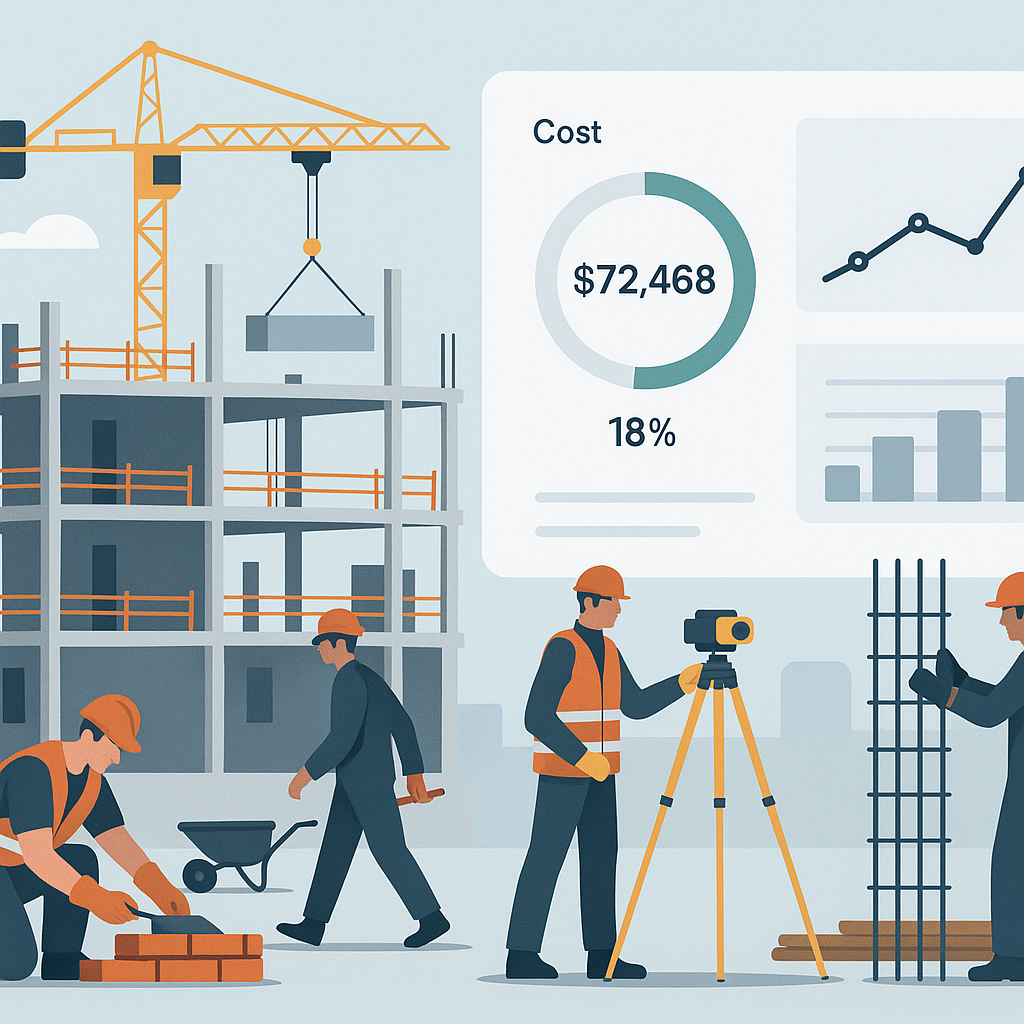
- BOQ-Level Visibility: Every BOQ, scope, and estimate is tied to actual costs in real-time. Material issued to the site? Logged. Subcontractor progress payment? Updated immediately.
- Alerts for Variances: If a line item exceeds its budget, you’re notified instantly. No waiting for month-end reconciliations.
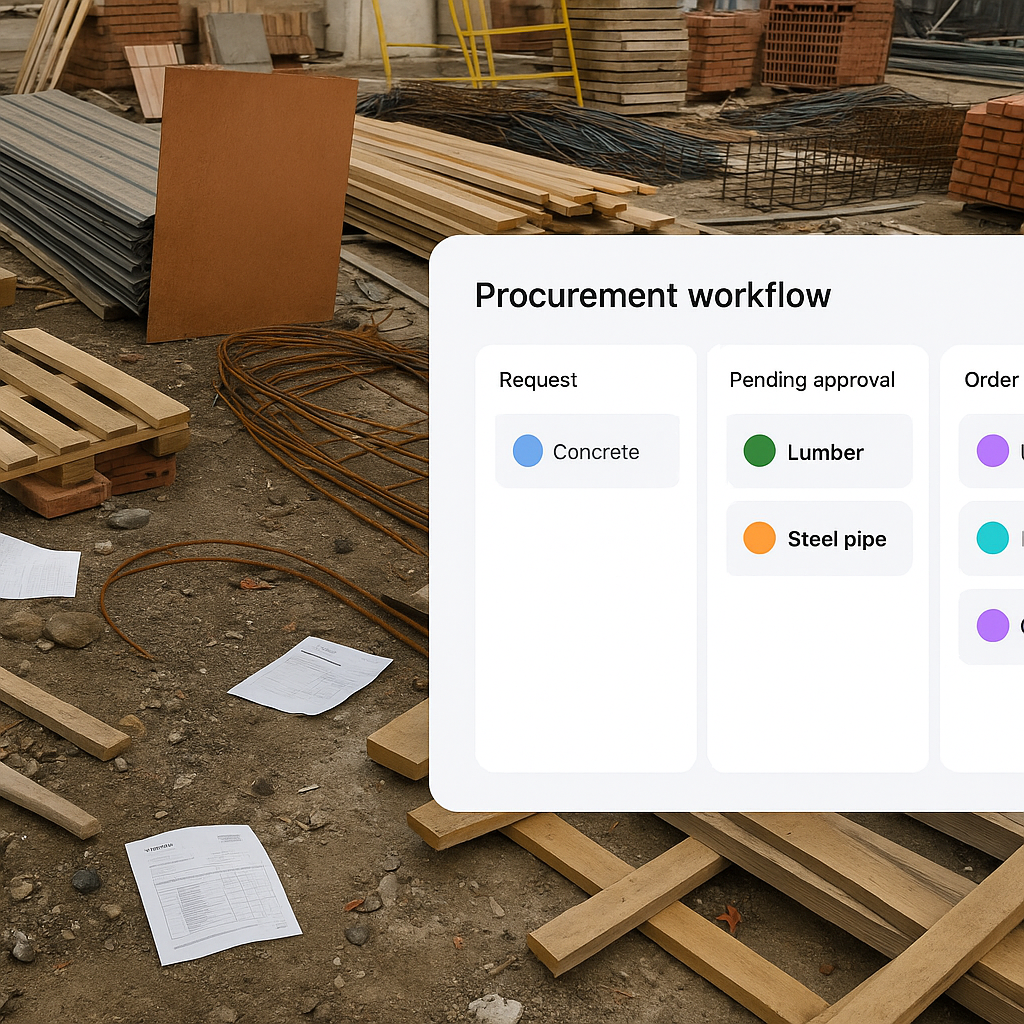
- Approval Workflows: Any deviation—like an unplanned purchase order—can be flagged for approval, ensuring no surprises.
For example, a mid-size contractor in Oman recently used JobNext to monitor costs across 15 simultaneous projects. By catching a subcontractor overbilling issue early, they saved ₹12 lakh in potential losses. That’s the power of real-time data.
What Makes Real-Time Possible?
To make this work, you need a few critical components:
- Integrated Systems: If your procurement, billing, and project management tools don’t talk to each other, you’re stuck in the dark. A unified platform like JobNext eliminates silos.
- Mobile Connectivity: Your field teams must capture data on-site—material issued, work completed, equipment usage—and sync it instantly with the back office. This is why mobile apps are indispensable (JobNext Blog).
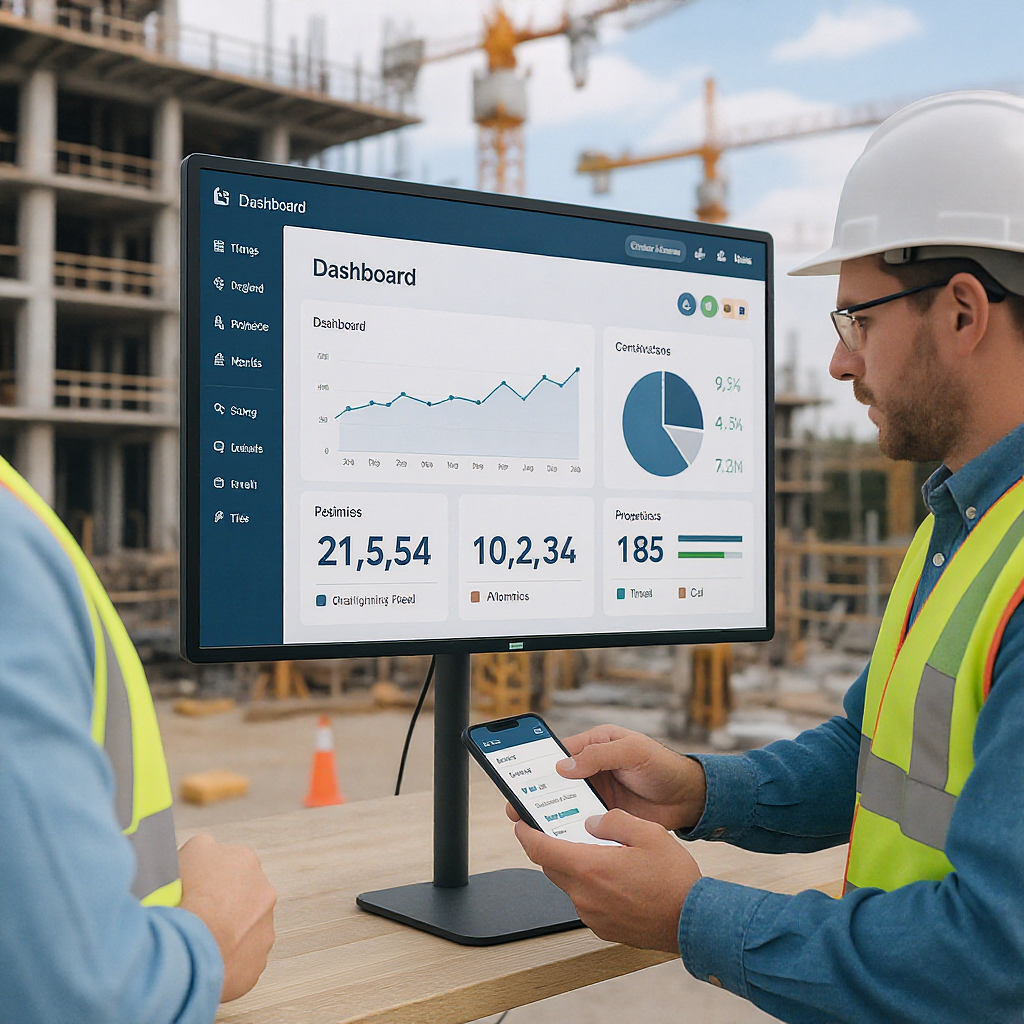
- Dashboards and Reports: Static reports are useless in fast-moving projects. You need live dashboards showing exactly where your project stands—costs, progress, and revenue.
The Skeptic’s Take: Is It Really Worth It?
You might be thinking, “Sounds great, but implementing this sounds like a nightmare.” Fair. The reality is that adopting real-time data workflows requires an investment—not just in tools like JobNext, but in training your team to use them effectively.
However, the cost of doing nothing is higher. Remember that HVAC project? Imagine catching cost overruns in Week 2 instead of Week 8. That’s the kind of ROI we’re talking about.
A Practical Starting Point
Not ready for full-scale ERP adoption? Start small:
- Use mobile apps to digitize site-level data collection.
- Set up basic dashboards for real-time cost tracking on one pilot project.
- Train your site and office teams to flag variances proactively.
For a step-by-step guide to digital transformation for contractors, check out Construction Digital Transformation: A No-Nonsense Roadmap for Mid-Size Contractors. It’s packed with practical advice on how to modernize without overwhelming your team.
Final Thoughts
Real-time data isn’t a tech trend. It’s the difference between running a profitable project and bleeding money. Whether you’re managing a single site or 50, the ability to see where your money’s going—right now—can save you from costly surprises later.
And the best part? It’s not rocket science. With the right tools and processes, any contractor can make the shift. The question is: will you?
Ready to see JobNext in action?
Multi-tenant SaaS ERP for construction, facilities management, and contracting — covering preconstruction, project execution, procurement, HR & payroll, equipment, finance, and 150+ analytics reports.
Get Started Free →Learn more at SoftNext Solutions