The Big Problem: Margin Erosion
India's construction sector is growing fast, but contractors are bleeding profits. Why? Poor cost tracking. A KPMG report found that 69% of construction projects in emerging markets, including India, face cost overruns. When you're working on 2-5% margins, that's a death sentence.
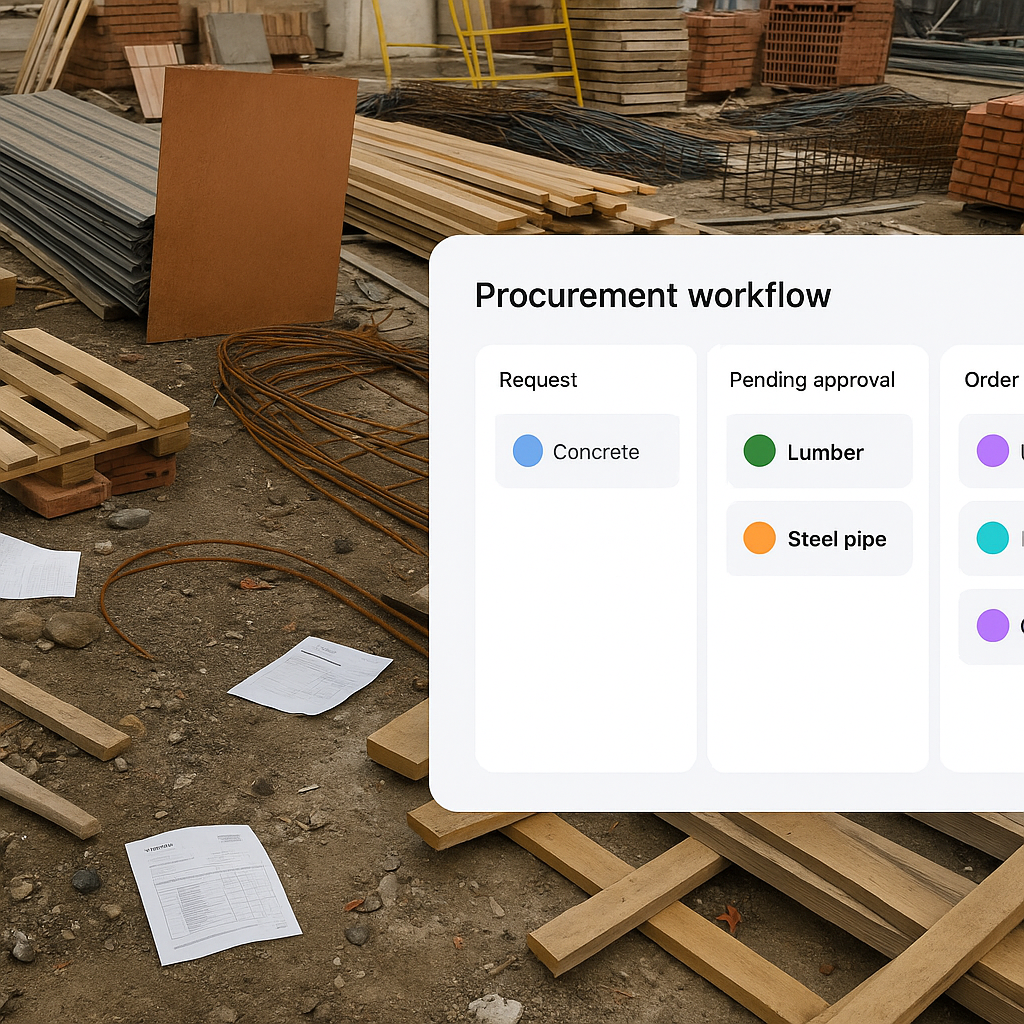
Most contractors are still juggling Excel sheets, WhatsApp messages, and fragmented software. It’s messy. Material costs get logged late, subcontractor bills pile up, and site teams often don’t have updated budgets. By the time the project team finds out they’ve overshot, it’s already too late.
Sound familiar? It’s a systemic issue — but it doesn’t have to be. Technology is finally catching up with the needs of mid-size contractors in India. Let’s talk about real-time cost tracking and how it’s changing the game.
What Real-Time Cost Tracking Actually Means (And Why It Matters)
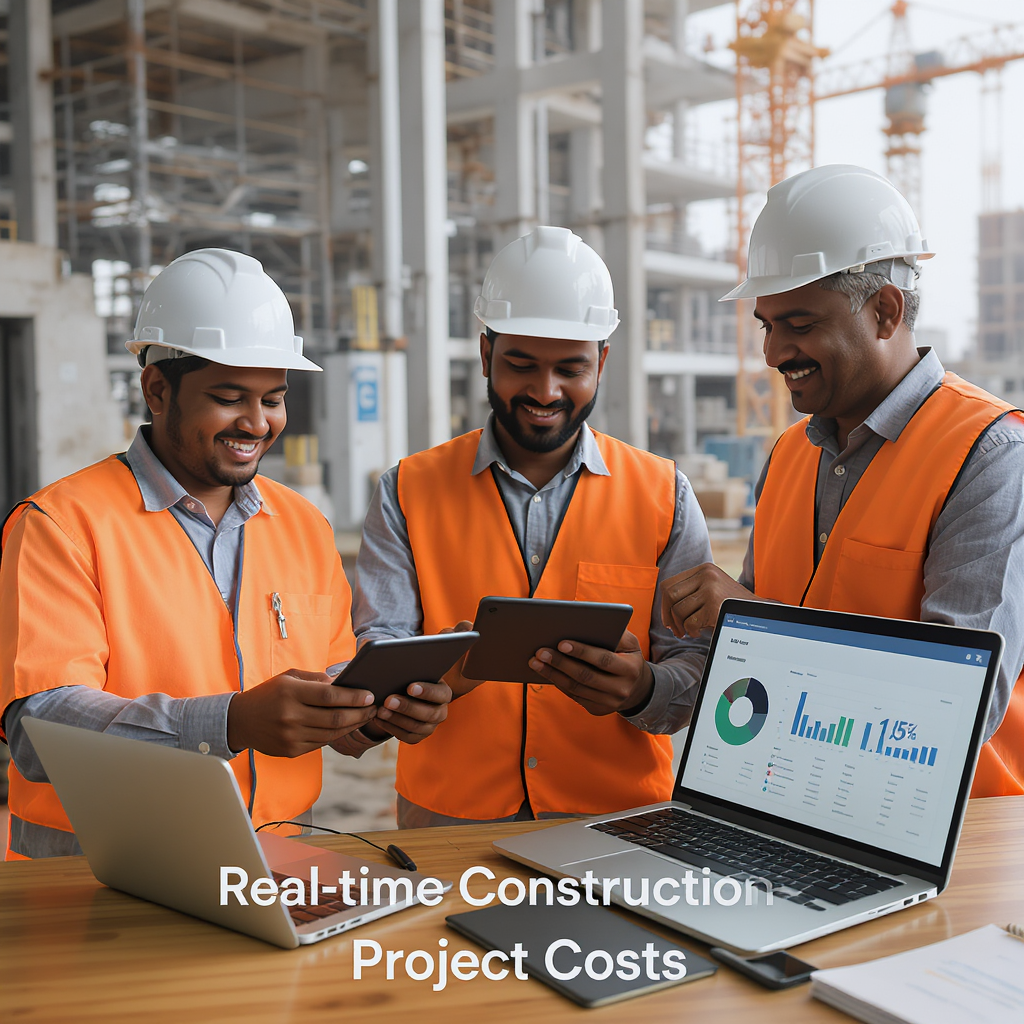
When your team orders materials, the cost should reflect immediately against the project’s BoQ (Bill of Quantities). When subcontractors submit work done, the system should update progress and payments due. When your site team logs equipment usage, fuel costs, or labor hours, you should know then and there what that’s doing to your bottom line.
That’s the promise of real-time cost tracking. It’s not just about avoiding overruns — it’s about making better decisions throughout the project. “Can we afford this change order?” “Are we on track to hit our margin?” These are questions you should be able to answer in minutes, not weeks.
Unfortunately, most contractors in India are stuck in reactive mode. They wait for monthly reports or scramble to fix problems after they happen. By the time they crunch the numbers, they’re already bleeding cash.
The Shift: From Disconnected Data to Unified Platforms
The good news? The tech exists to fix this. Unified platforms like JobNext integrate project cost tracking with procurement, subcontractor management, and billing. They replace the patchwork of tools that don’t talk to each other.
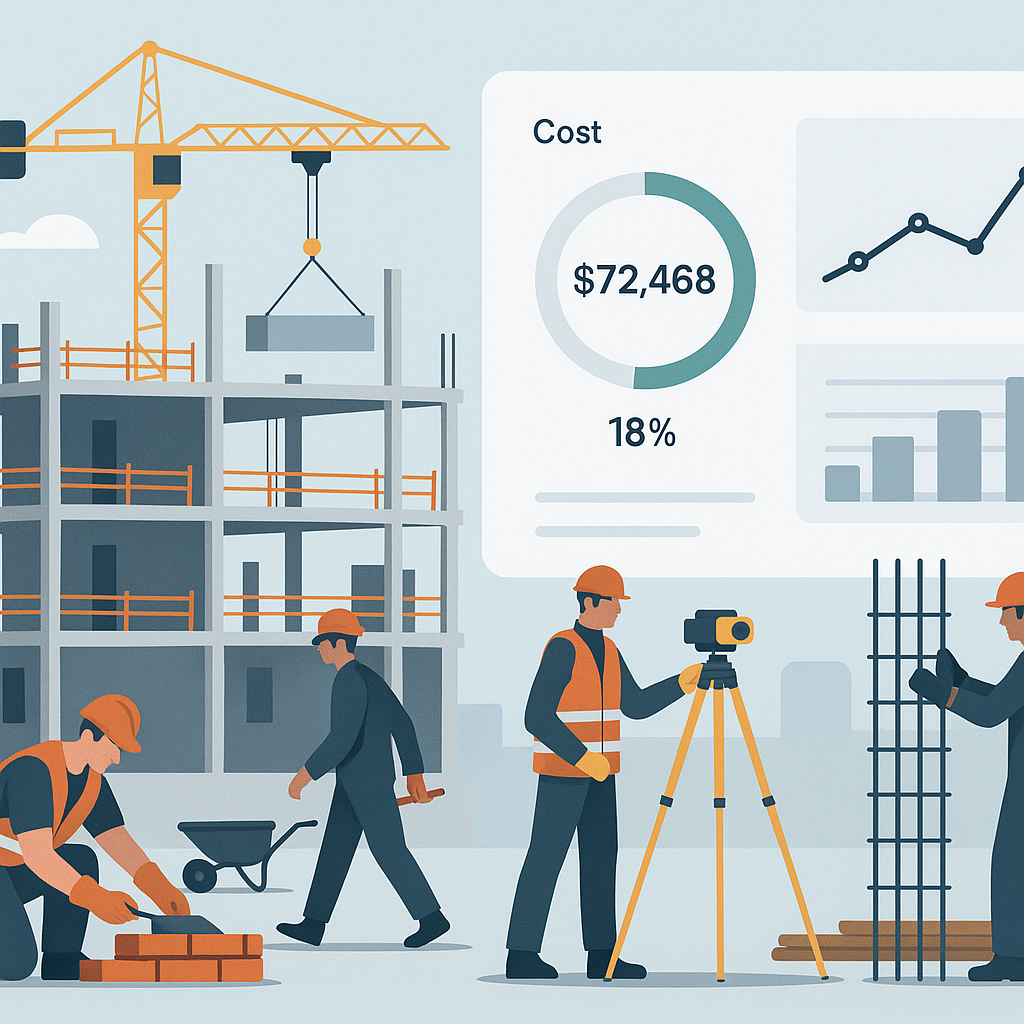
Take JobNext’s cost tracking feature. It’s not just a dashboard. For every project, you get real-time visibility into:
| Feature | What It Does |
|---|---|
| Material Procurement Tracking | Tracks MRs, POs, and delivery updates against the BoQ. |
| Subcontractor Payment Control | Links work measurements to payments, avoiding overpayments. |
| Equipment Utilization | Monitors asset usage and costs per project. |
| Real-Time Budget Monitoring | Compares actual costs to estimates — live. |
Let’s break this down with an example. Imagine you’re managing a mid-size MEP project in Bangalore. Your site manager places an MR (Material Request) for Rs. 15 lakhs worth of copper pipes. The MR gets approved by your project head and auto-updates your project budget in the system. The vendor delivers, and the invoice is matched to the PO (Purchase Order). No manual chasing, no Excel errors.
Now, compare that to the old way: your site team WhatsApps the request, the accounts team manually updates it, and by the time you realize you’re over budget, the pipes are already on-site.
This isn’t hypothetical. Tools like JobNext are already live with contractors across India and the GCC. In fact, one of our clients reduced their average project cost overruns by 22% within six months by implementing real-time tracking.
Why India Needs This Now
India’s construction market is expected to grow by 10.3% annually through 2028, according to Research and Markets. Infrastructure spending is booming, but so is competition. Clients are demanding tighter budgets, faster timelines, and more transparency.
Real-time cost tracking isn’t just a nice-to-have anymore. It’s the difference between winning and losing contracts. As noted in JobNext's blog post on construction digital transformation, staying competitive means embracing technology that eliminates inefficiencies. This isn’t theoretical — it’s a practical roadmap for mid-size contractors who want to grow without risking financial disasters.
The Future: Predictive Analytics
Right now, real-time visibility is solving today’s problems. But the next step is predictive analytics. Imagine knowing in advance which costs are likely to spike based on historical data. AI-powered tools, like the ones discussed in this article, are already improving bid accuracy in preconstruction. It’s only a matter of time before this tech integrates with live project cost tools.
For India’s contractors, this evolution isn’t optional. The firms leading the charge are already leveraging real-time tracking to protect their margins. The ones lagging behind? They’re the ones we’ll see in cost-overrun headlines next year.
Takeaways
- The Problem: Cost overruns are killing profitability in Indian construction.
- The Solution: Real-time cost tracking updates budgets as soon as costs are incurred, enabling faster, better decisions.
- The Example: Platforms like JobNext provide integrated tools for material procurement, subcontractor payments, and budget monitoring.
- The Future: Predictive analytics will take cost control to the next level.
India’s construction industry is standing at a crossroads. The tools are here. The demand is here. The question is: will you adapt or fall behind?
Ready to see JobNext in action?
Multi-tenant SaaS ERP for construction, facilities management, and contracting — covering preconstruction, project execution, procurement, HR & payroll, equipment, finance, and 150+ analytics reports.
Get Started Free →Learn more at SoftNext Solutions