Why Equipment Lifespan Matters More Than Ever
Let’s start with a simple question: How many years do you expect to get out of your equipment investments? For most contractors, the answer is not enough. Heavy machinery like excavators or batching plants should last 10-15 years with proper care. But in reality? Many assets get retired—or break down—far earlier. The culprit? Poor management.
A study by Deloitte found that reactive maintenance (fixing things only when they break) can cost companies 3-5x more than proactive maintenance. Worse, it shortens asset life by up to 50%. For contractors working with tight margins, this isn’t just an operational issue—it’s a direct hit on profitability.
The solution? Smarter, software-driven equipment management. Let’s break it down.
The Hidden Costs of Poor Equipment Tracking
Here’s a scenario we’ve seen too often: A contractor buys a new concrete pump for $120,000. It’s a major investment, so the team commits to tracking its usage, servicing schedules, and depreciation. Six months in, the pump breaks down on-site. Why? Because the maintenance log was “filed” on a WhatsApp group and nobody checked it.
Sound familiar? Equipment mismanagement usually shows up in three ways:
- Missed Maintenance: Without reminders or a centralized log, routine servicing gets skipped.
- Underutilization: Equipment sits idle because nobody knows where it’s located or if it’s operational.
- Unplanned Downtime: Parts fail unexpectedly, delaying projects and racking up repair bills.
How Equipment Management Software Changes the Game
This is where platforms like JobNext come in. JobNext’s equipment lifecycle management doesn’t just track what you own—it tracks how it’s performing, where it’s deployed, and when it needs attention. Here’s how it works:
- Centralized Asset Registry: Every asset—whether it’s a tower crane or a generator—gets logged with purchase details, serial numbers, and service history.
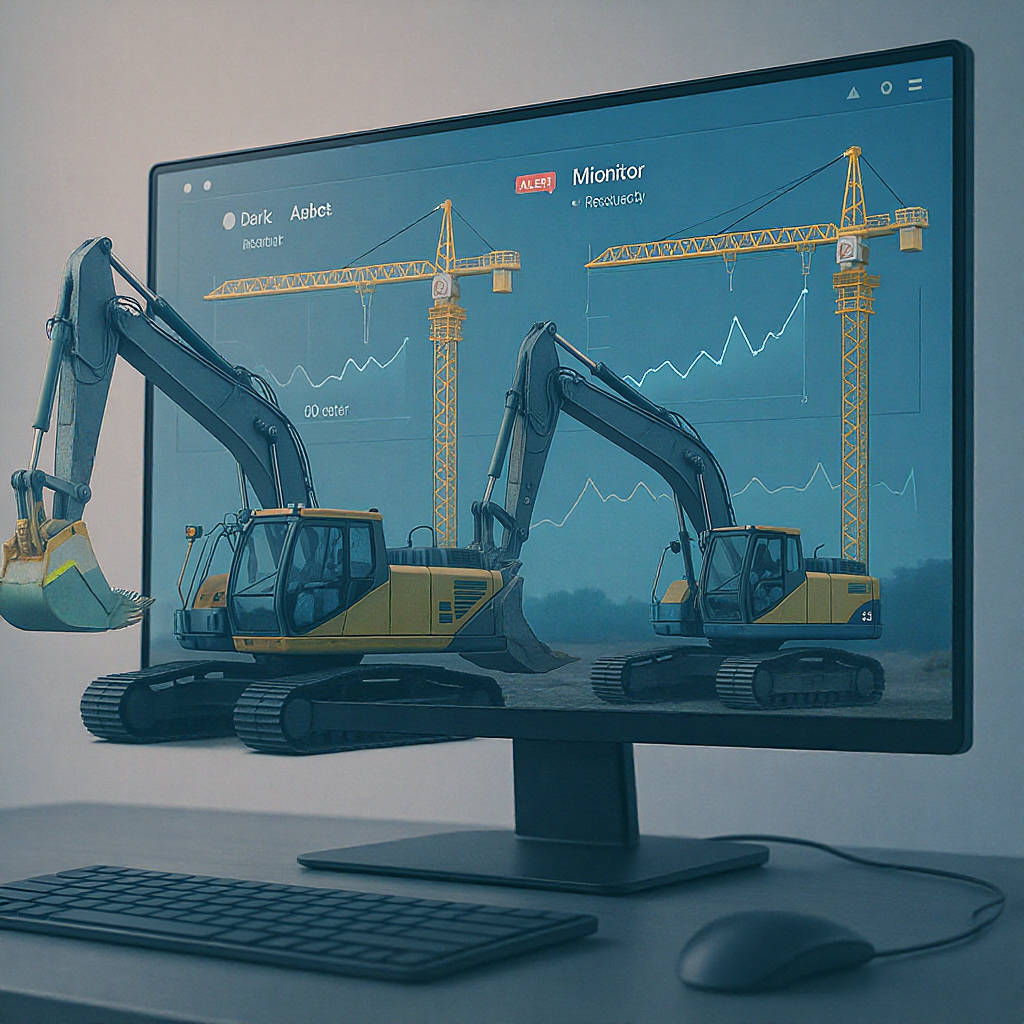
- Utilization Tracking: Real-time dashboards show which assets are underused, overused, or idle.
- Maintenance Alerts: Automated reminders ensure servicing happens on schedule, not after a breakdown.
- Depreciation Monitoring: The software tracks asset value, helping you decide when to repair, redeploy, or replace.
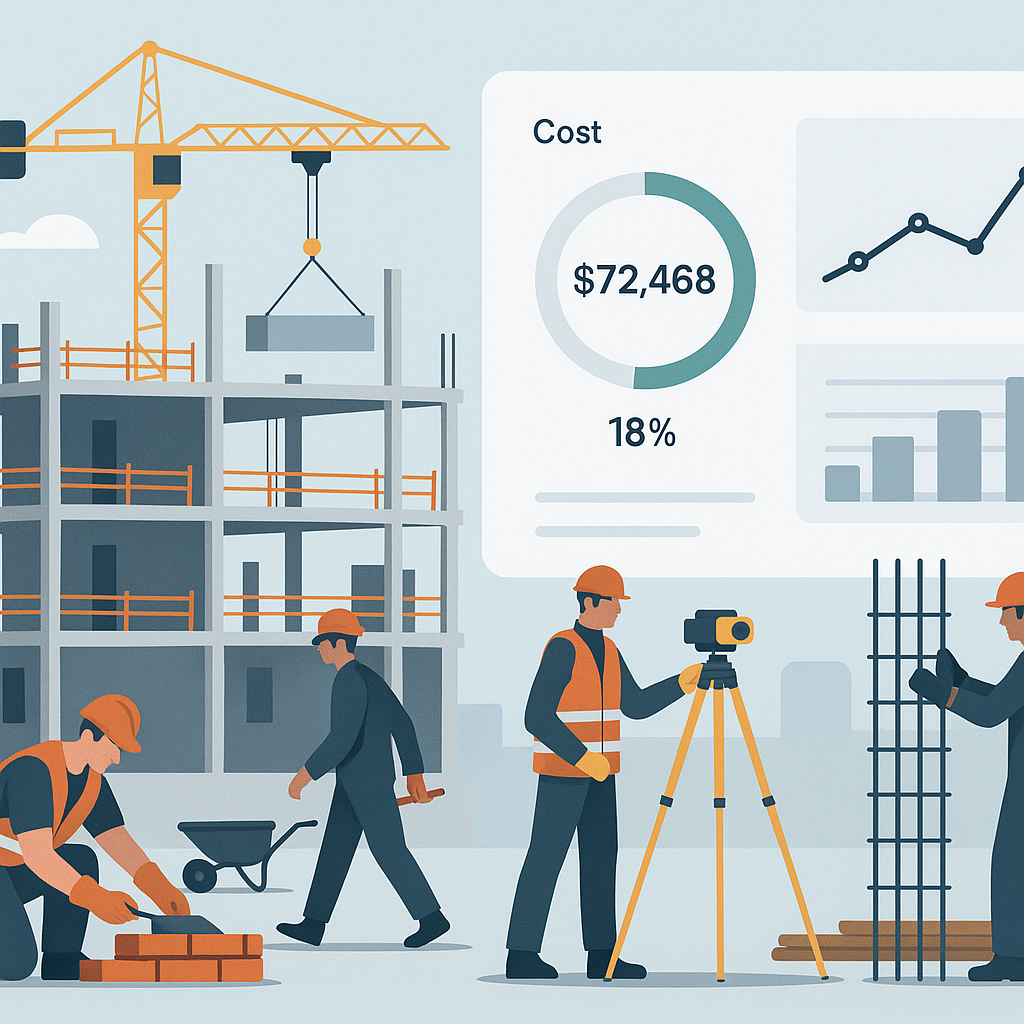
One of our clients, an MEP contractor in Dubai, extended the average lifespan of their fleet by 18% within 18 months of implementation. Their secret? Switching from reactive to predictive maintenance using JobNext’s alerts and dashboards.
The Role of Preventive Maintenance
If you’re still relying on paper logs or Excel sheets for maintenance schedules, you’re doing it wrong. Preventive maintenance programs, powered by software, are proven to:
- Reduce unplanned downtime by 35-50% (McKinsey).
- Lower maintenance costs by 10-30%.
- Extend equipment life by 20-40%.
One practical tip: use a system that tracks usage hours, not just calendar dates, to determine maintenance schedules. A backhoe running 200 hours a month needs servicing far earlier than one running 50 hours, regardless of when the last check was done. JobNext’s equipment module integrates with IoT sensors to pull real-time usage data, so your team isn’t guessing.
Connecting Equipment to Project Profitability
Here’s a critical question: Do you know which piece of equipment is earning its keep? Many contractors don’t. They treat equipment as sunk costs instead of profit centers. But with tools like JobNext, you can directly link equipment usage to project profitability.
For example, the platform allows you to allocate equipment costs—fuel, maintenance, and usage depreciation—directly to projects. If you notice that a particular project is over budget due to excessive equipment costs, you can investigate. Is it inefficiency? Overuse? Or poor planning? Armed with that data, you can take corrective action.
This ties back to a key point raised in JobNext’s blog post “The Hidden Cost of Tool Fragmentation: Why Contractors Need Unified Platforms”. Fragmented systems make it impossible to connect the dots between equipment usage, costs, and project outcomes. A unified ERP like JobNext eliminates those blind spots.
The ROI of Smarter Equipment Management
You might be wondering: Is it really worth investing in equipment management software? Let’s do some quick math.
Say your company owns $3 million worth of equipment. If poor tracking and reactive maintenance are cutting asset lifespans by 20%, you’re losing $600,000 in prematurely replaced assets. Add the cost of unplanned downtime, delayed projects, and emergency repairs, and you’re easily looking at over $1 million in avoidable expenses.
On the flip side, platforms like JobNext typically cost a fraction of those losses. And by extending equipment lifespan, increasing uptime, and improving project margins, they pay for themselves within months.
Don’t Wait for the Next Breakdown
If your equipment tracking system involves more sticky notes than sensors, it’s time for a change. Equipment management software isn’t just a nice-to-have—it’s essential for contractors who want to protect their biggest investments and boost profitability.
Want to see how smarter equipment management could work for your business? Check out JobNext’s full feature list here.
Ready to see JobNext in action?
Multi-tenant SaaS ERP for construction, facilities management, and contracting — covering preconstruction, project execution, procurement, HR & payroll, equipment, finance, and 150+ analytics reports.
Get Started Free →Learn more at SoftNext Solutions