Why Cash Flow Matters More Than Profit in Contracting
Cash flow keeps contractors alive. You can be profitable on paper but still struggle to pay vendors, employees, or taxes because your cash is stuck in unpaid invoices. For small to mid-size firms, a single late payment from a client can snowball into missed payrolls or delayed material orders. It's not just inconvenient — it's existential.
The Problem: Manual Billing Chaos
Contractor billing is messy. RA bills, BOQ-based invoices, stage-wise payments — all need meticulous tracking. Then there’s the approval process. When invoices are manually managed, things slip through the cracks. Line items get missed. Billing methods are inconsistent across projects. And worst of all? Approvals take weeks, delaying payments even further.
If you’re wondering why this happens, it’s simple. Most contractors are still using spreadsheets or fragmented systems for billing. They rely on email chains for approvals. Some even keep printed copies for signatures. This manual chaos is why payments arrive late — or don't arrive at all.
The Fix: Digital Billing Systems That Don’t Miss
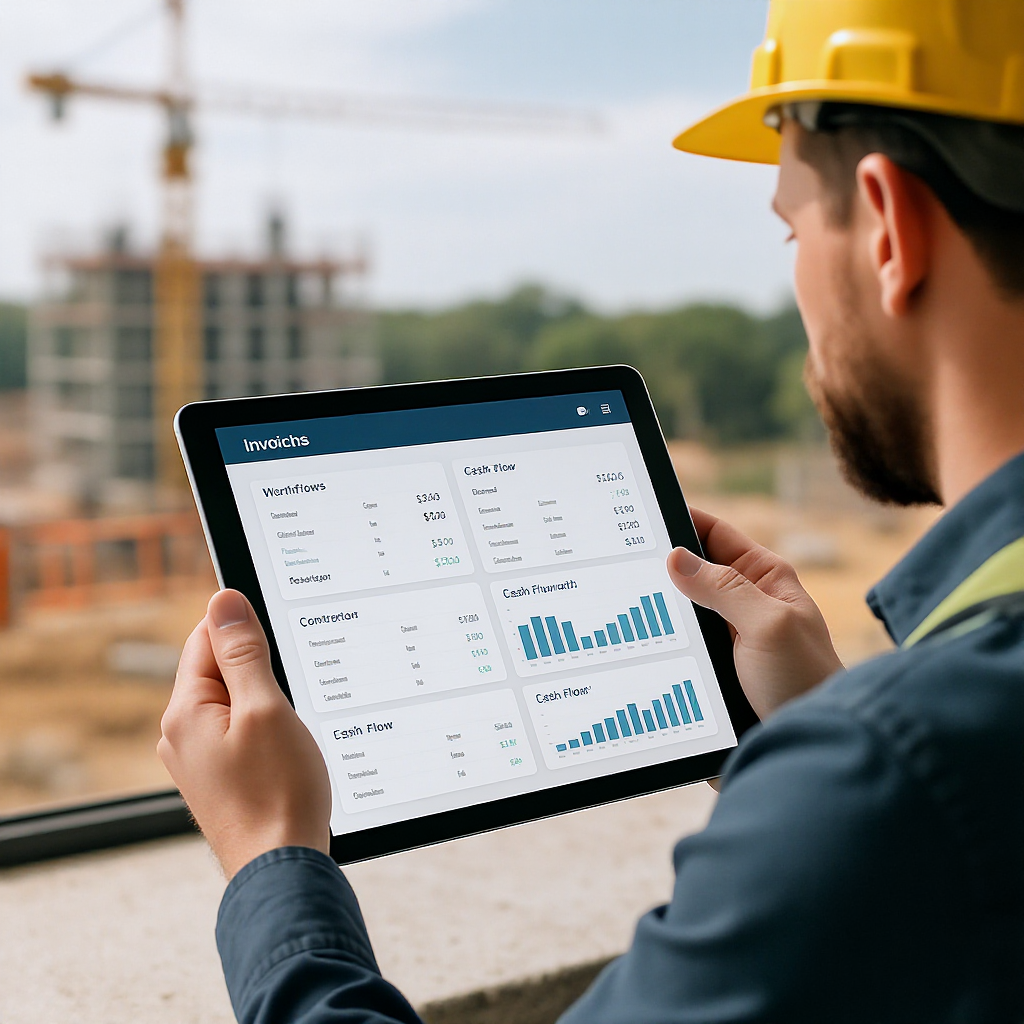
Modern digital billing systems solve this. They structure your workflows, enforce consistency, and ensure that no billable items are overlooked. Take JobNext, for example. It offers six billing methods tailored for contractors: RA Bills, stage-wise, monthly, supply BOQ, combined, and one-time. Why does this matter? Because real-world projects aren’t one-size-fits-all. You need flexibility without sacrificing accuracy.
Here’s a practical scenario. Imagine a subcontractor finishes part of their work but delays sending measurements. With manual systems, your billing team might not even realize the work’s incomplete until payment requests start piling up. JobNext prevents this by tying subcontractor progress tracking to billing workflows. If measurements aren’t submitted, invoices can’t be generated. No guessing. No leakage.
Real-World Example: Preventing Revenue Leakage
One of the biggest cash flow killers for contractors is revenue leakage — billable work that’s done but not invoiced correctly. A study published by McKinsey found that construction projects worldwide lose up to 10% of revenue due to billing errors. For a contractor running ₹50 crore in annual projects, that’s ₹5 crore straight off the bottom line.
JobNext’s structured billing ensures every scope item, material delivery, and subcontractor milestone gets invoiced. Its multi-level approval workflows also speed things up. Instead of chasing signatures across departments, you set rules once — and let the system enforce them.
The Bigger Picture: Why Disconnected Tools Hurt Cash Flow
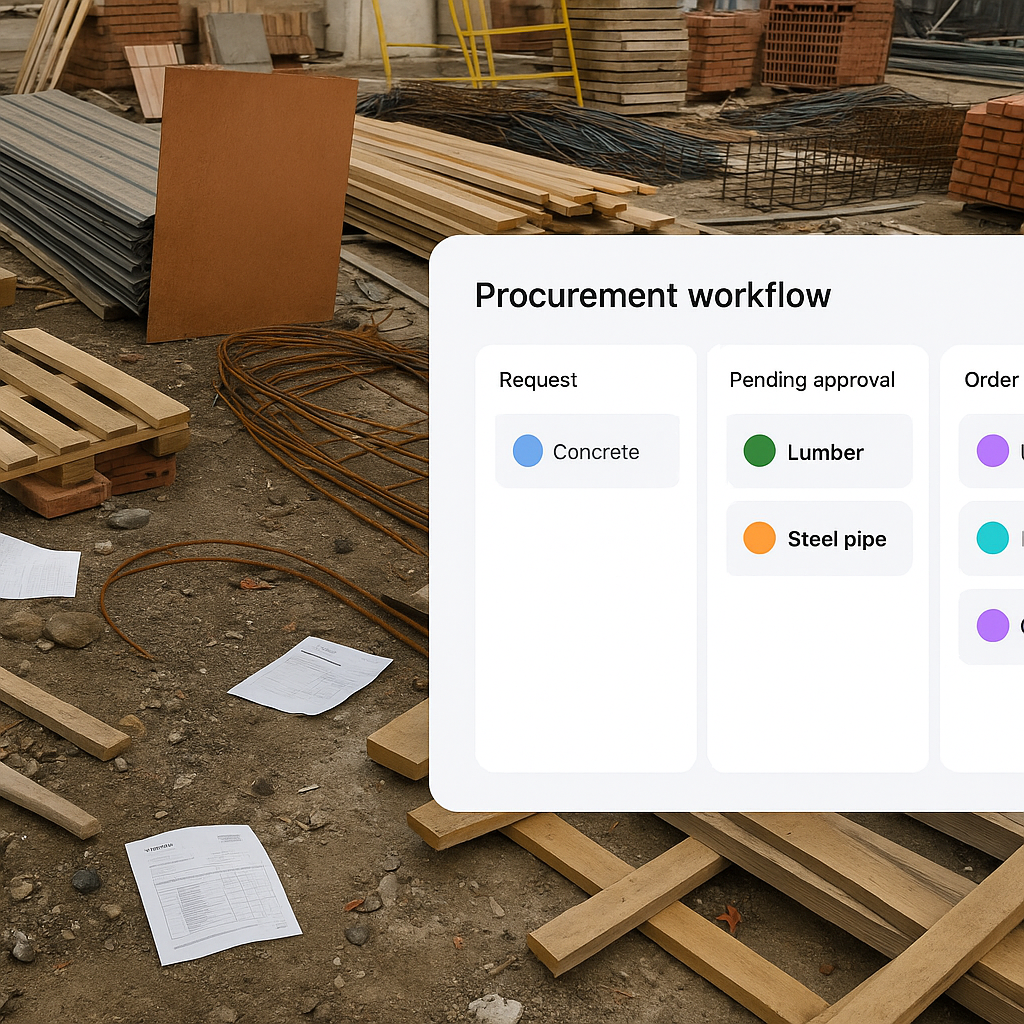
Billing doesn’t exist in isolation. It connects to procurement, project accounting, and subcontractor payments. When these systems don’t talk to each other, you lose visibility. That’s why unified platforms like JobNext matter. They eliminate the “tool fragmentation” problem discussed in The Hidden Cost of Tool Fragmentation: Why Contractors Need Unified Platforms.
Here’s a real example. A contractor in Oman switched from manual billing to JobNext. Previously, their finance team spent hours reconciling project costs with invoices because their procurement system didn’t link to billing. After switching, the reconciliation process was automatic, freeing up the team to focus on collections. Faster collections = better cash flow.
You Might Be Thinking...
“Do I really need this? My spreadsheets work fine.” Fair question. But spreadsheets don’t scale. As your company takes on more projects, manual processes will fail. Deadlines will slip. Clients will question your accuracy. And your cash flow will suffer.
Digital billing systems aren’t just convenient — they’re necessary for survival in competitive markets. The GCC construction market alone is projected to hit $175 billion by 2025, according to Research and Markets. If you’re still relying on manual processes, you’ll lose out to competitors who collect faster.
The Takeaway
Digital billing systems improve contractor cash flow by preventing revenue leakage, enforcing structured workflows, and speeding up approvals. For firms running multi-site operations or complex billing methods, tools like JobNext aren’t optional — they’re essential.
Want to learn more about how these systems fit into a broader digital transformation? Check out Construction Digital Transformation: A No-Nonsense Roadmap for Mid-Size Contractors.
Key Findings
- Contractors lose up to 10% of revenue due to billing errors (McKinsey).
- Unified platforms like JobNext prevent revenue leakage and speed up collections.
- Digital billing systems enforce structured workflows, ensuring no billable items are missed.
Methodology
This article synthesizes data from industry reports, contractor case studies, and JobNext’s feature documentation. Sources include McKinsey, Research and Markets, and JobNext’s blog publications.
Ready to see JobNext in action?
Multi-tenant SaaS ERP for construction, facilities management, and contracting — covering preconstruction, project execution, procurement, HR & payroll, equipment, finance, and 150+ analytics reports.
Get Started Free →Learn more at SoftNext Solutions