How AI is Reducing Margin Erosion in Construction Planning
Margin erosion is a silent killer in construction. You think you're making money on a project, but by the time the final costs roll in, you're barely breaking even—or worse, taking a loss. A McKinsey study found that large construction projects typically run 80% over budget and 20% over schedule McKinsey. For small and mid-size contractors, those kinds of overruns aren't just frustrating—they're unsustainable.
But here's the thing: it's not always big mistakes that sink profitability. Often, it's the small, daily disconnects between estimates, real-time costs, and project progress. This is where AI is starting to make a real difference. Let’s look at how contractors can use AI-driven tools to reduce margin erosion and keep their projects on track.
The Core Problem: Poor Cost Tracking
Most contractors rely on a mix of spreadsheets, disconnected accounting software, and manual updates to track project costs. The result? Gaps in visibility. Did you account for that 15% spike in steel prices? Are labor costs creeping above your estimate because of overtime? Is your approved BOQ (Bill of Quantities) actually aligned with what's being procured on-site?
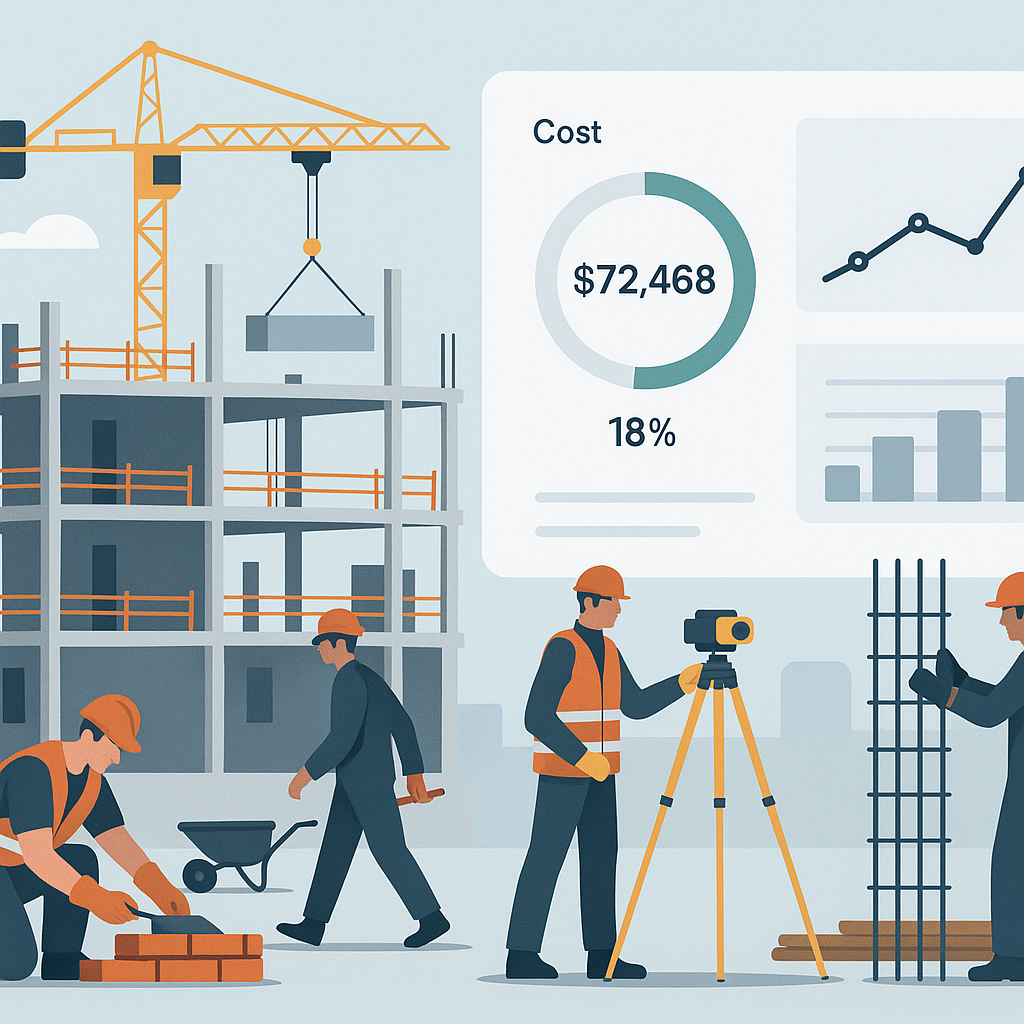
Without real-time cost visibility, you're basically guessing. And guessing doesn't work in an industry where profit margins average just 2-7% Deloitte Construction Outlook. That’s why cost tracking isn't just a back-office function anymore—it's a strategic priority.
How AI Changes the Game
AI isn't magic. It can't build a skyscraper for you. What it can do is analyze mountains of data in real time and surface insights you’d never catch manually. For cost tracking, this means:
-
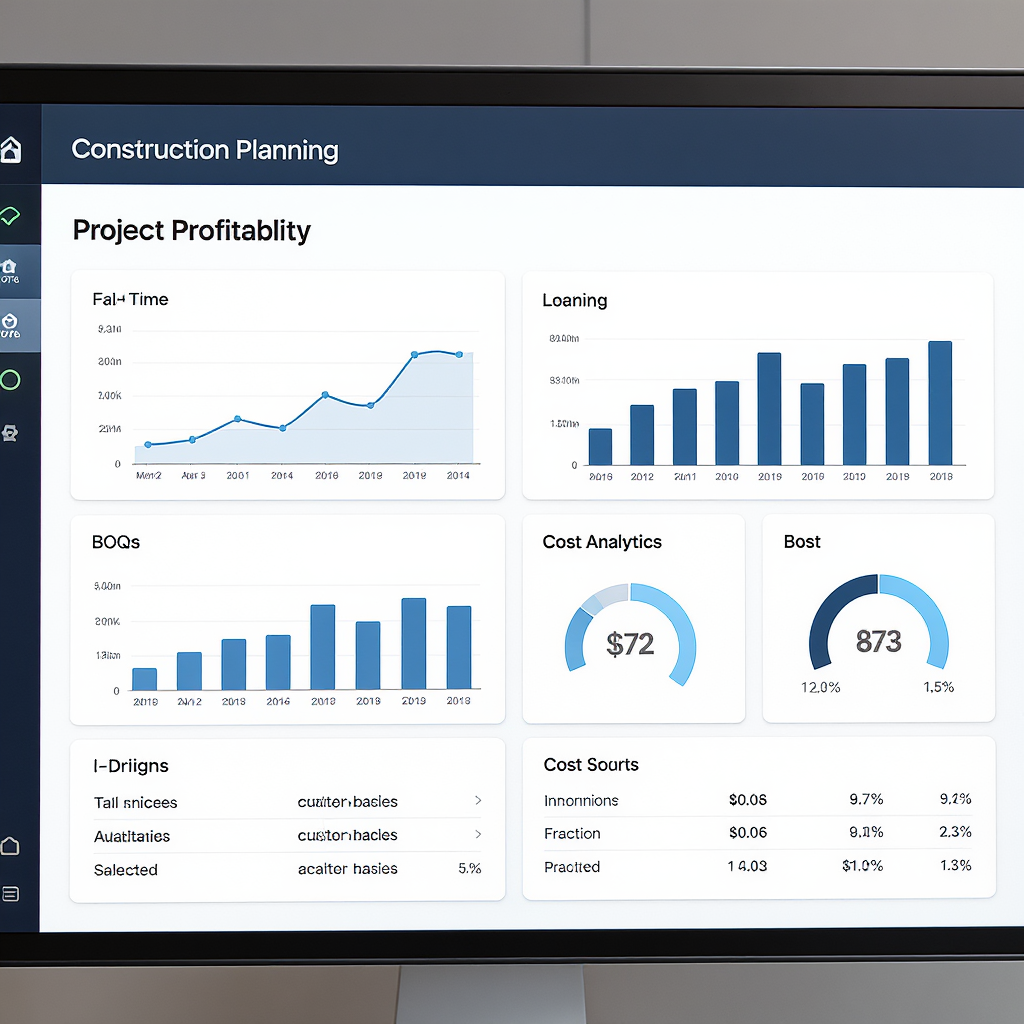
Real-Time Profitability Monitoring: AI-powered systems can automatically pull in data from your BOQs, estimates, procurement logs, and field updates to give you a live view of project profitability. No more waiting until the end of a project to find out you’ve been bleeding cash.
-
Predictive Cost Analysis: AI can analyze historical project data to predict cost overruns before they happen. For example, if labor costs on similar projects typically spike during the final 20% of work, AI can flag that risk early.
-
Automated Scope Alignment: Scope creep is a common profit killer. AI tools can compare your approved scope against procurement and field progress in real time, flagging any discrepancies before they snowball into costly overruns.
A Practical Example: JobNext’s Profitability Dashboard
At JobNext, we’ve built a feature specifically designed to tackle margin erosion: the real-time project profitability dashboard. It integrates your BOQs, estimates, and actual costs into a single interface, constantly updating as new data comes in. For example:
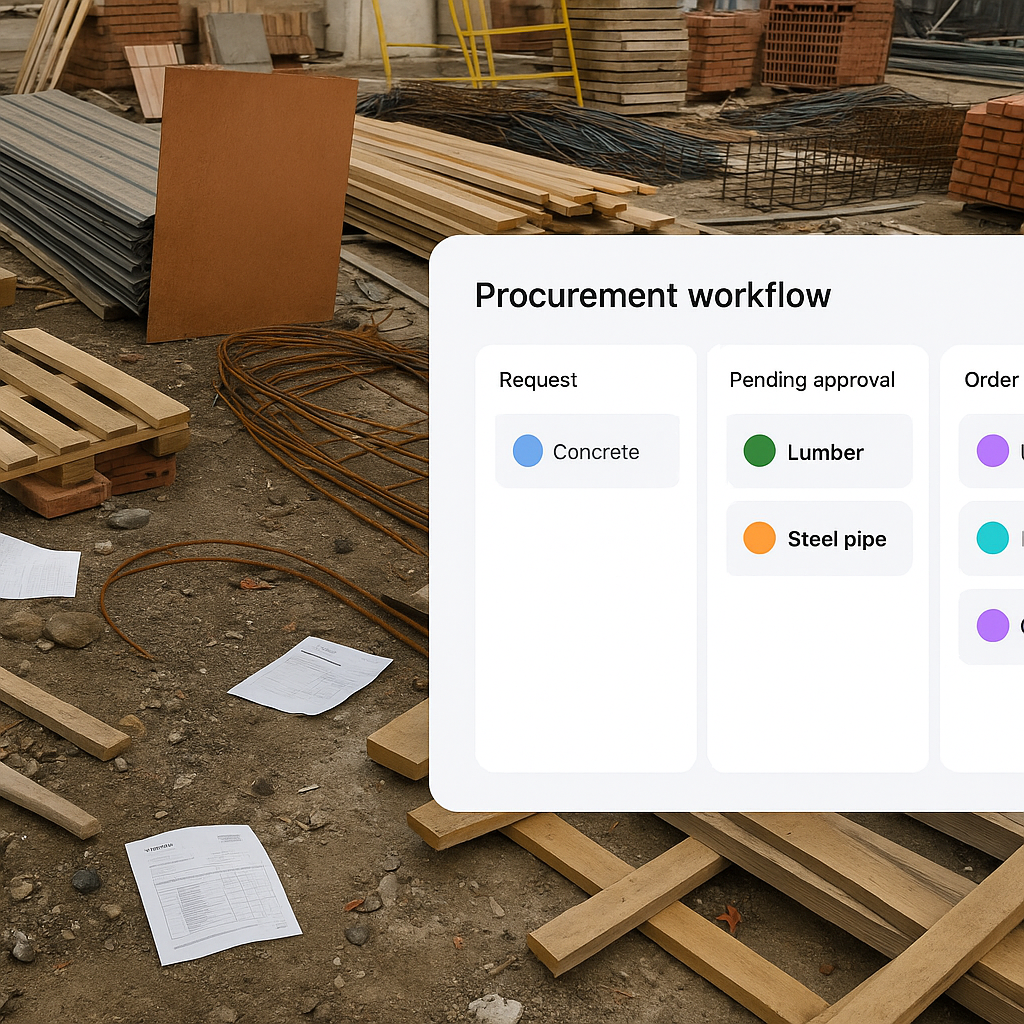
- As material procurement happens (from MR to RFQ to PO), the system updates the cost impact on your approved BOQ.
- Labor costs are tracked against both payroll data and site attendance, flagging potential overruns.
- AI algorithms highlight variances between estimated and actual costs, so you can take corrective action before it’s too late.
One client, a mid-size MEP contractor in Dubai, used this feature to catch a $50,000 discrepancy between their estimated and actual costs on a major project. Without real-time tracking, they wouldn’t have spotted the issue until the project closed—and by then, it would’ve been too late.
Why Real-Time Data Matters
You might be thinking: “I already track costs with my accounting software. Isn’t that enough?” The short answer: no.
Most accounting systems are designed for historical reporting. They tell you what happened last month, not what’s happening right now. And in construction, where costs change daily (sometimes hourly), that lag time can be disastrous.
AI-driven tools like JobNext bridge that gap by providing real-time visibility. When you know the financial impact of every procurement decision, every labor shift, and every change order, you can make better decisions. That’s how you protect your margins.
The Bigger Picture: AI in Construction
AI is already reshaping preconstruction, as we explored in Preconstruction Estimating in the AI Era. But its role doesn’t stop there. From predictive maintenance for equipment to optimizing schedules, AI has the potential to improve every aspect of construction planning.
Of course, adopting these tools requires more than just a software purchase. As we pointed out in The Contractor's First ERP: What Nobody Tells You About Going Digital, the real challenge is getting your team to adopt new processes. AI can’t help you if no one uses it.
The Bottom Line
AI isn’t a silver bullet, but for contractors struggling with cost tracking, it’s a game-changer. Tools like JobNext’s profitability dashboard give you the real-time insights you need to make smarter decisions, faster. And in an industry where 1% can mean the difference between profit and loss, those insights are priceless.
Not ready for AI yet? Start by fixing your disconnected systems. As we wrote in The Hidden Cost of Tool Fragmentation, unified platforms are the foundation for any digital transformation in construction. Once your data is in one place, you’re ready to take the next step—and that step is AI.
Ready to see JobNext in action?
Multi-tenant SaaS ERP for construction, facilities management, and contracting — covering preconstruction, project execution, procurement, HR & payroll, equipment, finance, and 150+ analytics reports.
Get Started Free →Learn more at SoftNext Solutions