Why Small Contractors Need ERP (Not Just Big Players)
Margins in construction are razor-thin — especially for small contractors. If you're running 5-10 projects at a time, you're probably juggling spreadsheets, WhatsApp approvals, and late-night calls to vendors. Sound familiar? It works until it doesn't. Costs spiral, deadlines slip, and you start wondering where the margin went.
Here’s the hard truth: contractors lose up to 20% of their margins due to poor cost tracking and disconnected systems. This isn’t just theory. JobNext's analysis shows that most contractors bleed money because they can’t track project profitability in real time.
Small contractors think ERPs are for the ₹500 Cr+ crowd. That’s wrong. A good cloud ERP can plug leaks that make the difference between growing and stagnating.
Problem 1: Manual Procurement Chaos
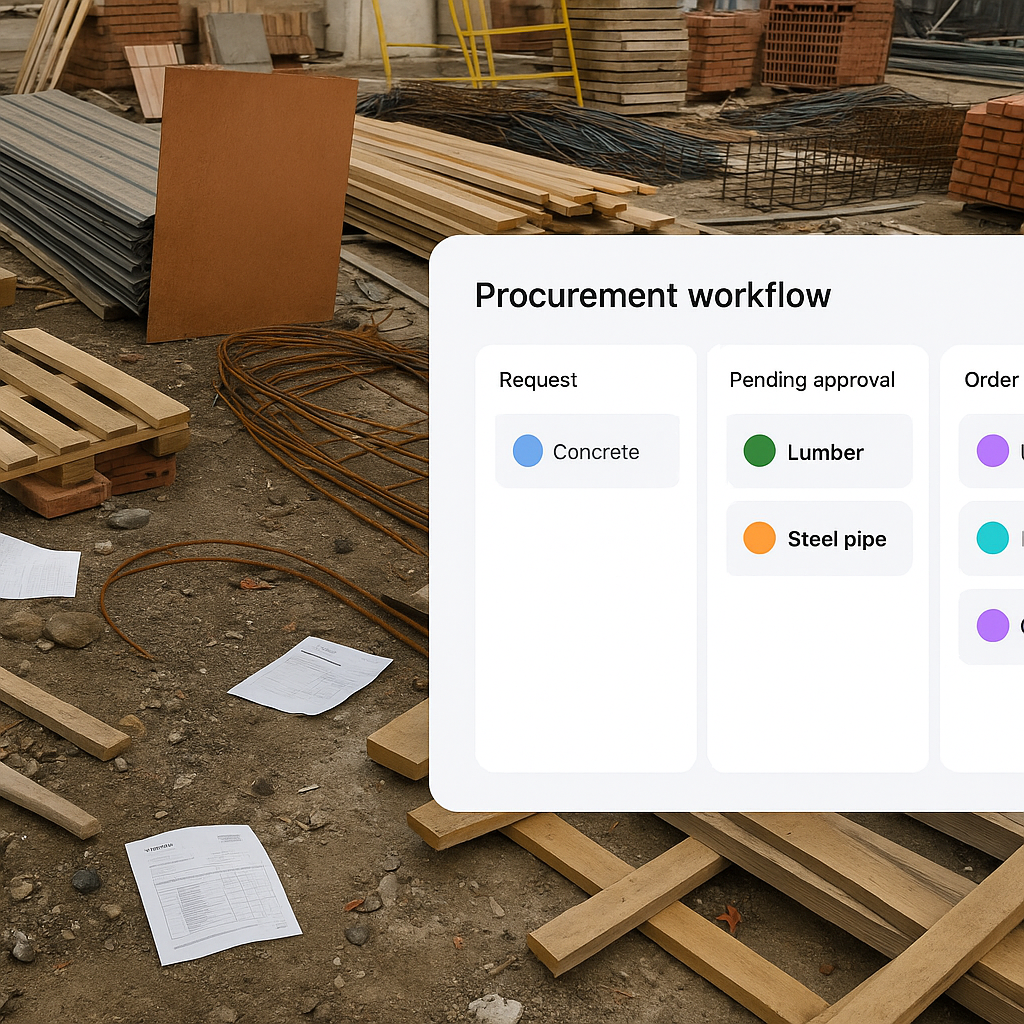
Let’s start with procurement. Every small contractor knows the drill: material requests (MRs) come in from sites, your team scrambles to send RFQs (Request for Quotations), and vendors flood you with calls and PDFs. Somewhere in the chaos, someone misses an approval, and a ₹5 lakh PO gets issued for the wrong grade of steel. Ouch.
Manual workflows fall apart at scale. A proper ERP replaces this chaos with structure:
- MR → RFQ → Vendor Offers → PO: Every step is tracked and approved digitally.
- Approval Chains: No more rogue POs. You set limits — ₹1 lakh approvals for site engineers, ₹5 lakh for project managers, and so on.
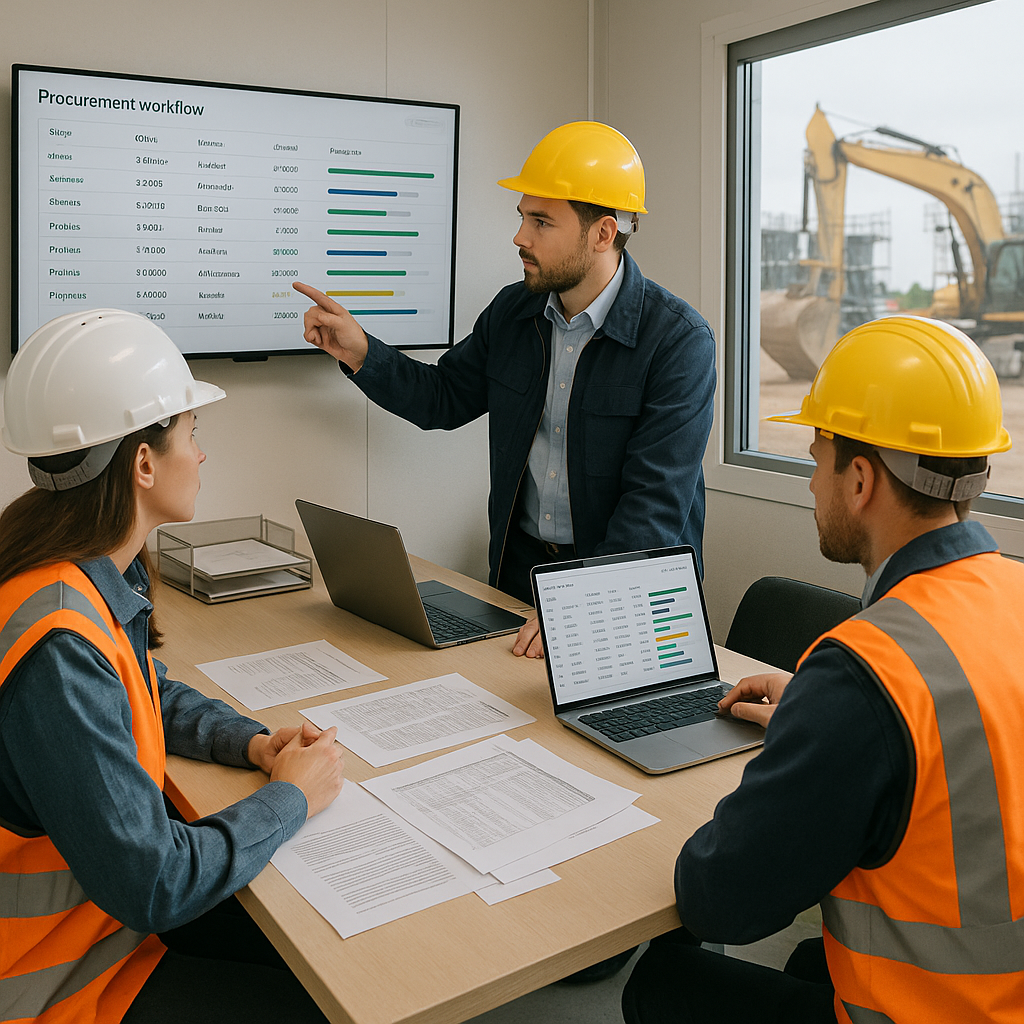
- Vendor Comparisons: The system compares offers side-by-side, so you don’t overpay without realizing it.
With an ERP like JobNext, you’re not just saving time. You’re getting control. Imagine knowing exactly how much cement is approved, ordered, delivered, and consumed — per site, per week. That’s not possible with Excel or WhatsApp.
Problem 2: Revenue Leakage in Billing
Here’s a common scenario: You finish a milestone, but the client delays approvals because your RA bill (Running Account Bill) isn’t complete. Maybe you forgot to add a variation. Maybe the site team didn’t submit measurement sheets on time. Whatever the reason, your cash flow suffers.
A construction ERP solves this with:
- 6 Billing Methods: RA bills, milestones, supply BOQs, and more — all automated.
- Measurement-Based Billing: ERP connects measurements to billing. No more manual mistakes.
- Progress Tracking: You know exactly which line items are billable, reducing delays.
A contractor we worked with in Chennai cut their billing cycle from 45 days to 15 days using JobNext. Faster billing = healthier cash flow.
Problem 3: Poor Cost Tracking
Let’s talk about the elephant in the room: cost tracking. Most small contractors only find out they’ve lost money after a project ends. By then, it’s too late.
Good construction ERPs give you real-time project profitability. Here’s what that looks like:
- BOQ-Level Costing: See where your costs are blowing up — material, labor, equipment, or subcontractors.
- Variance Tracking: Compare actuals to estimates. If you budgeted ₹50 lakh for RCC works but spent ₹60 lakh, you’ll know immediately.
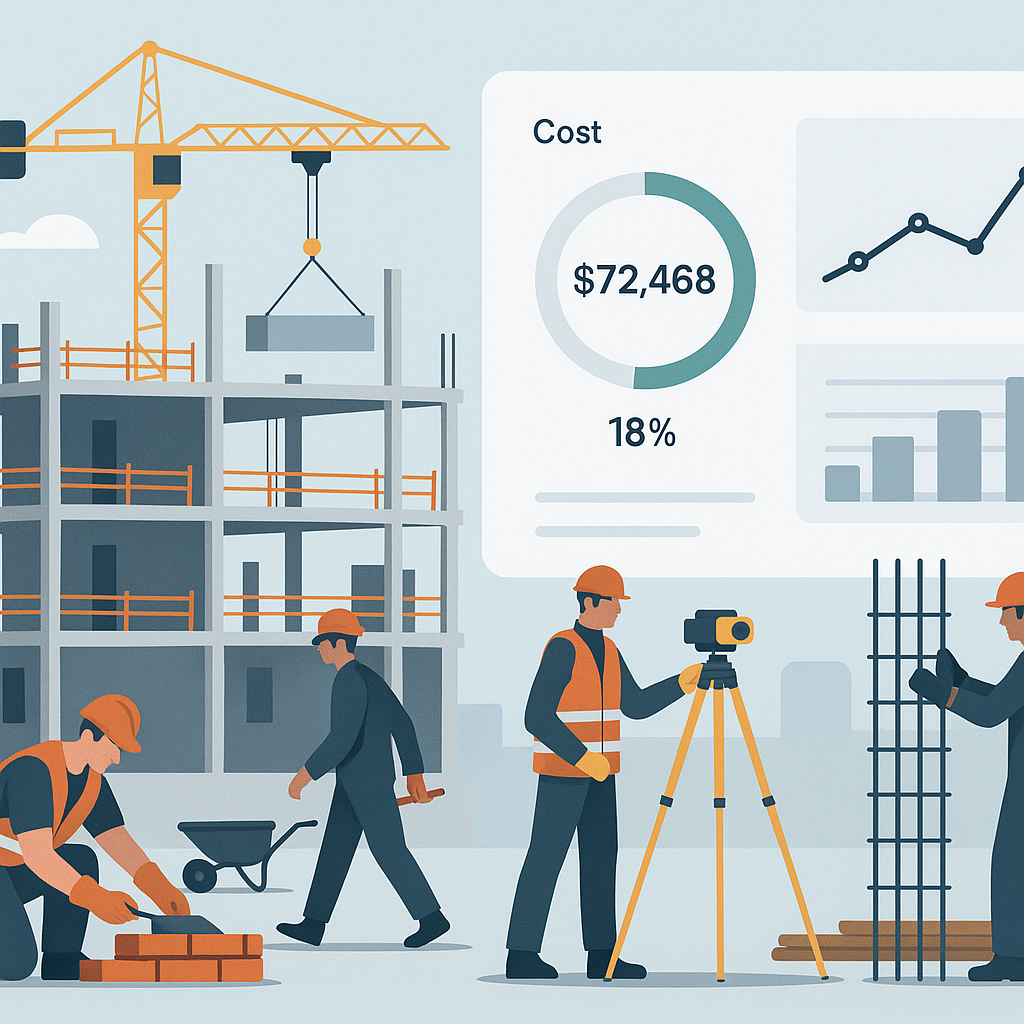
- Dashboards: No more guessing. Dashboards show profit margins across every live project.
As JobNext points out, contractors who don’t track costs in real time end up losing margins they didn’t even know they had. Why take that risk?
Problem 4: HR Complexity Across Sites
If you’re managing multiple sites, you’ve probably faced HR headaches. Attendance tracking, payroll, and staff allocation become logistical nightmares. Add GCC compliance (WPS, gratuity), and it gets worse.
With an ERP, you get:
- Site-Wise Attendance: Biometric or mobile-based.
- Payroll Automation: GCC-ready with WPS support.
- Staff Allocation: Move staff across sites and track costs by project.
One contracting firm in Dubai saved over 300 hours a month on payroll management by switching to an ERP. That’s time you could use to win new projects.
Ready to Stop the Bleeding?
The best ERP software for the construction industry isn’t about bells and whistles. It’s about solving real problems — manual procurement, revenue leakage, poor cost tracking, and HR chaos.
If you’re serious about scaling past ₹100 Cr, you need systems that work as hard as you do. ERPs like JobNext don’t just plug the leaks; they let you focus on what you do best: winning projects and delivering them profitably.
Want to see how it works? Check out JobNext to learn more.
Ready to see JobNext in action?
Multi-tenant SaaS ERP for construction, facilities management, and contracting — covering preconstruction, project execution, procurement, HR & payroll, equipment, finance, and 150+ analytics reports.
Get Started Free →Learn more at SoftNext Solutions