Why Most ERP Implementations Fail in Construction
Let’s not sugarcoat it: ERP rollouts in construction are tough. Gartner estimates 70% of ERP projects fail to meet their goals, and for good reason. Construction isn't like retail or manufacturing — you’re dealing with complex project scopes, subcontractor management, fluctuating material costs, and multi-site payroll headaches. Add disconnected legacy systems into the mix, and it’s a recipe for frustration.
But here’s the thing. When done right, ERP implementation can be a game-changer for contractors. Real-time cost tracking, streamlined procurement, and unified systems aren’t just buzzwords — they’re what separate profitable projects from margin nightmares.
How do you get it right? By following these five best practices:
1. Start Small: Use a Phased Implementation Approach
One of the biggest mistakes we see is trying to go live with every module at once. It’s tempting to replace all your systems in one go, but it’s also overwhelming for your team. Start with the modules that address your biggest pain points first. For most contractors, that’s procurement or billing.
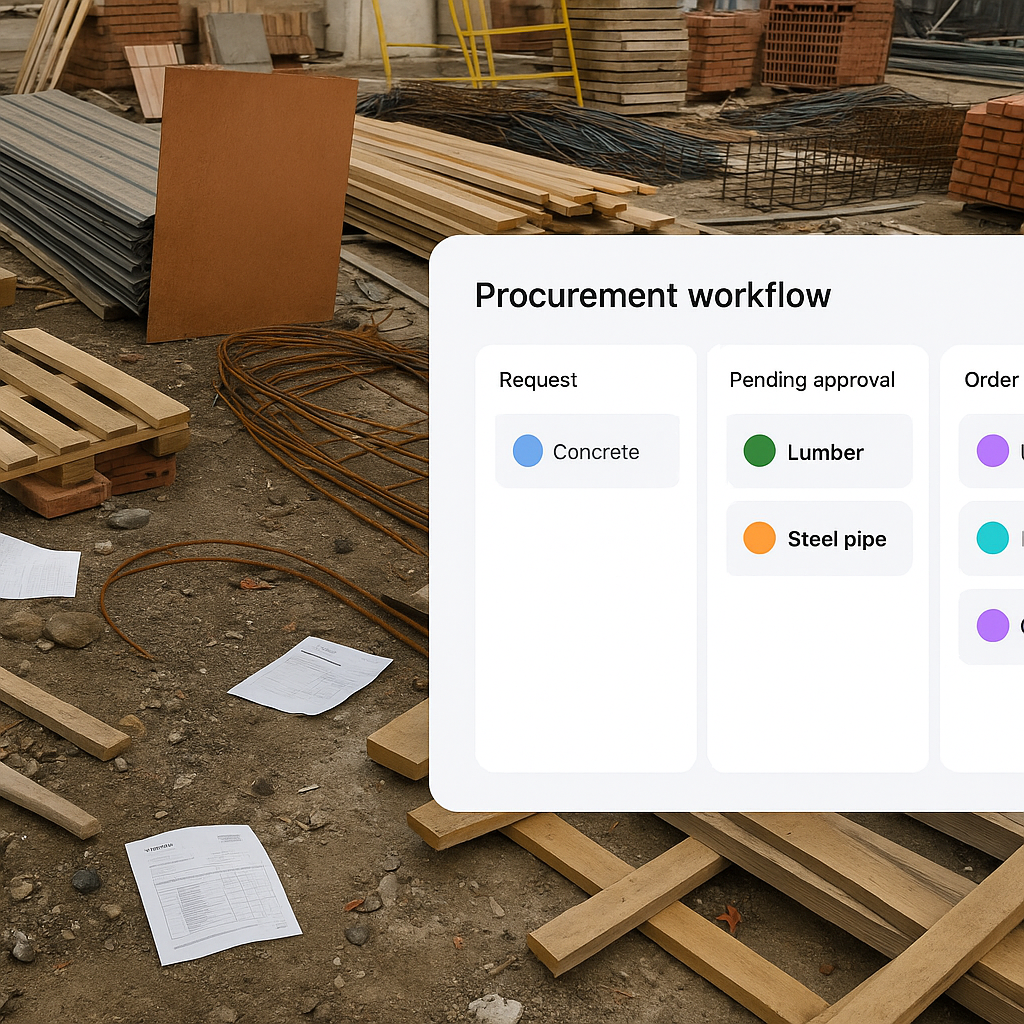
For example, JobNext’s structured procurement workflow (MR → RFQ → Vendor Offers → PO) is a lifesaver for companies drowning in manual purchase orders and WhatsApp approvals. Rolling out just this module first can deliver immediate ROI, while giving your team time to adapt. Once they’re comfortable, you can layer on additional modules like HR or finance.
As this JobNext.ai article explains, incremental implementation reduces risk and ensures adoption. Start small, then scale.
2. Fix Procurement Chaos Before Anything Else
Why start with procurement? Because in construction, materials and subcontractor costs make up 60-80% of project expenses. If you’re not controlling these, you’re losing money.
We’ve seen contractors with 15-20% margin erosion because of mismatched purchase orders, late RFQs, and manual approvals. An ERP with a structured procurement module can eliminate this. For instance, JobNext’s workflow ensures every material request is tracked from RFQ to PO, with multi-level approval chains to prevent unauthorized spending.
One contractor we worked with reduced their procurement cycle time by 40% within three months of using an ERP. That’s the kind of impact you want to see early on.
3. Choose Real-Time Dashboards Over Static Reports
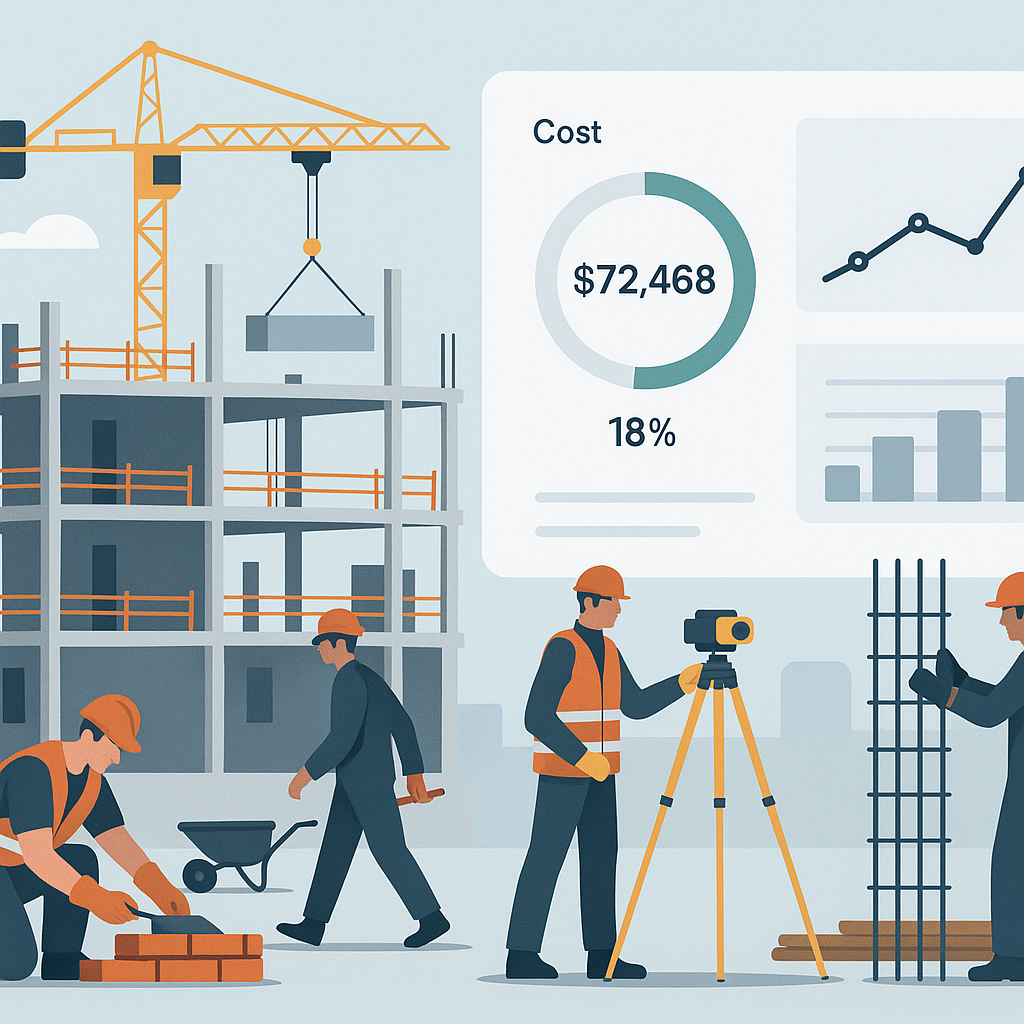
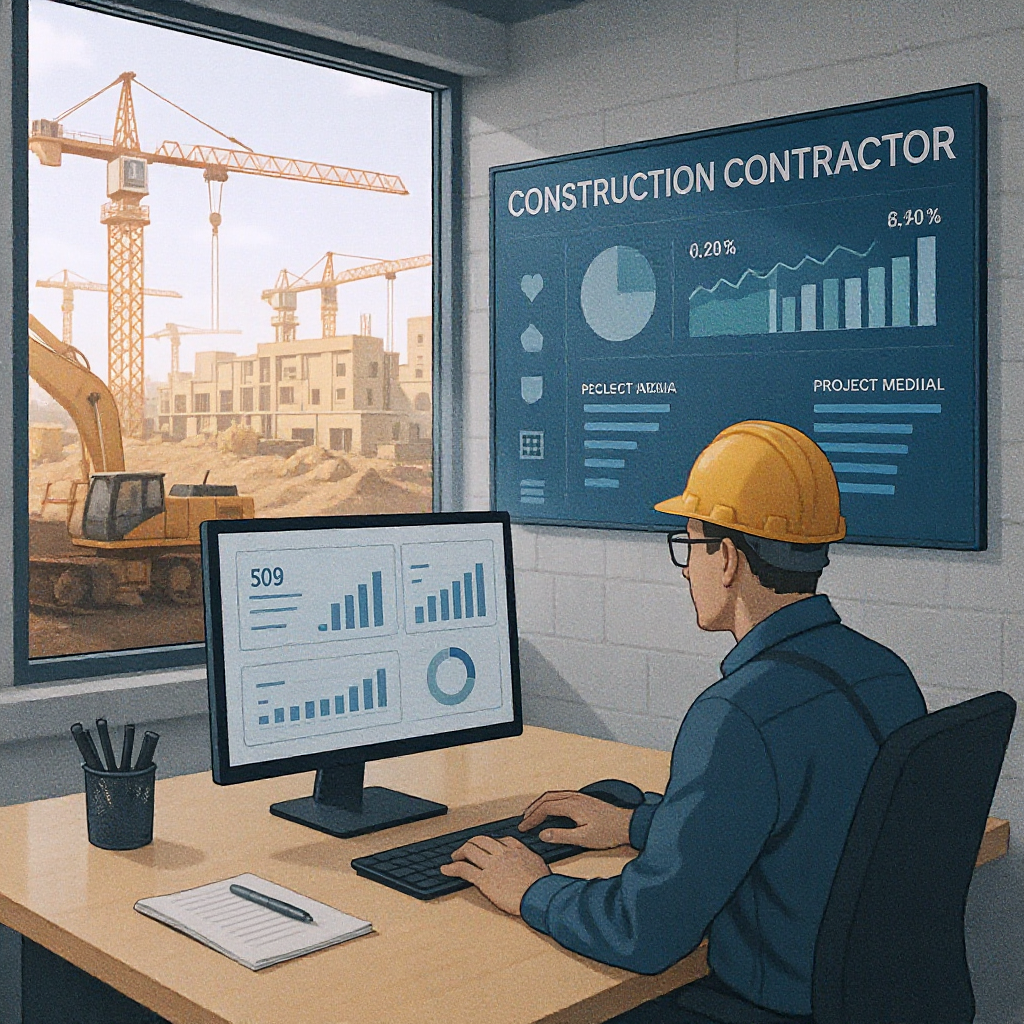
Static reports are fine for quarterly reviews, but they’re useless when site conditions change daily. Real-time dashboards give you visibility into project profitability, material consumption, and subcontractor progress — without waiting for someone to compile spreadsheets.
The best ERPs, like JobNext, offer pre-built dashboards tailored for construction. Want to see how your BOQs are performing against estimates? It’s a click away. Need to know which subcontractor is 10 days behind? Done. Real-time data isn’t just convenient — it’s what keeps your projects on track.
4. Don’t Ignore Compliance (Especially in GCC)
For contractors in the GCC, compliance is non-negotiable. Whether it’s VAT filing, WPS payroll, or bank guarantee tracking, any slip-up can cost you big. Yet, many contractors still rely on spreadsheets or separate tools that don’t “talk” to each other.
An ERP with built-in compliance features can simplify this. For GCC contractors, JobNext supports WPS-compliant payroll, VAT reporting, and multi-currency transactions. It even integrates with Tally for statutory compliance in India — a lifesaver for contractors working across borders.
If compliance has ever kept you up at night, this is where an ERP can give you peace of mind.
5. Train Your Team (And Expect Resistance)
Here’s the hard truth: your team isn’t going to love the ERP on day one. Change is hard, especially when it disrupts “the way we’ve always done things.” That’s why training isn’t optional.
Budget at least 10-15% of your implementation cost for training. Focus on the end-users who’ll be in the system daily — site engineers, procurement staff, and project managers. And don’t assume a one-time session is enough. Plan for ongoing support and workshops as your team adapts.
The most successful implementations we’ve seen are led by internal champions — people who understand the system and can act as a bridge between the ERP vendor and your team. Invest in those champions early.
Common Objections (And How to Address Them)
“We’re too small for an ERP.”
If you’re managing more than five concurrent projects, you’re not too small. ERP isn’t just for mega-contractors — it’s for any business that wants to grow without chaos.
“It’s too expensive.”
Yes, there’s an upfront cost. But what’s the cost of manual errors, missed approvals, or revenue leakage? Most contractors see ROI within 12-18 months.
“Our team isn’t tech-savvy.”
Then pick an ERP with a user-friendly interface. Modern platforms like JobNext are designed for simplicity, with mobile apps for field teams and intuitive dashboards for office staff.
Final Thoughts
ERP implementation is a marathon, not a sprint. Start small, fix your biggest pain points first, and don’t skimp on training. When done right, an ERP doesn’t just make your business more efficient — it makes it more profitable.
For a deeper dive into phased ERP rollouts, check out ERP Implementation for Contractors: The Phased Approach That Actually Works on JobNext.ai. It’s packed with practical advice and real-world examples.
Got questions or horror stories about ERP rollouts? Share them in the comments — we’ve probably seen it before.
Ready to see JobNext in action?
Multi-tenant SaaS ERP for construction, facilities management, and contracting — covering preconstruction, project execution, procurement, HR & payroll, equipment, finance, and 150+ analytics reports.
Get Started Free →Learn more at SoftNext Solutions