Why Margins Disappear Without Real-Time Cost Tracking
Margins are tighter than ever in the construction industry. Material prices fluctuate, labor costs spike, and subcontractors rarely stick to their quotes. Small contractors end up losing money because they’re flying blind. How? By managing project costs manually.
Let’s say you’re working on a ₹15 Cr interior fit-out project with tight timelines. Your team submits a Bill of Quantities (BOQ) with detailed line items for materials, labor, and subcontracted services. But as the project progresses, you realize you’ve overshot material costs by 12% because of untracked procurement changes. And labor? It’s 15% higher because of unplanned overtime.
You might think, “Okay, we’ll adjust in the next project.” But here’s the kicker: this happens on almost every project. If you’re running 10-15 projects at once, that 10-15% margin erosion adds up fast. Without real-time cost tracking, you’re essentially guessing how much money you’re making—or losing.
The Fix: Real-Time Cost Tracking with ERP
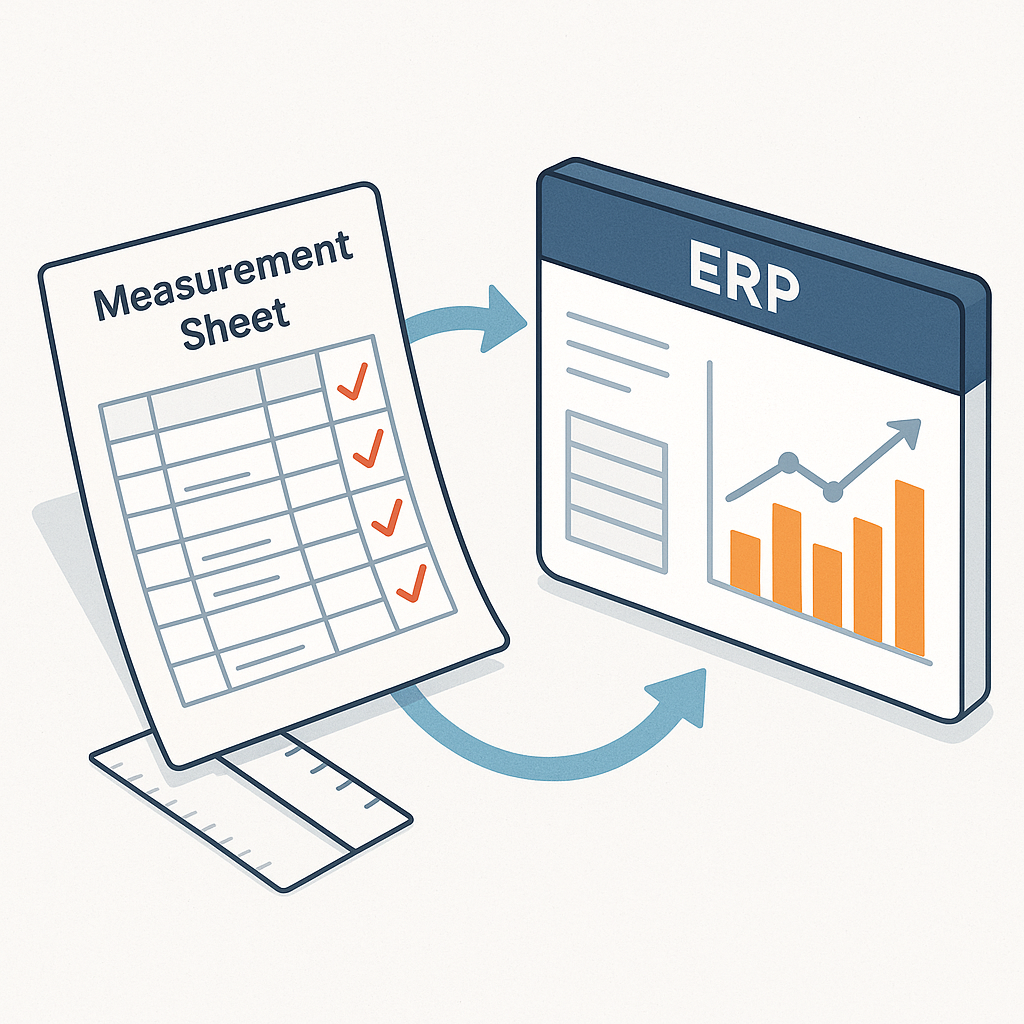
This is where a construction ERP like JobNext changes the game. Instead of relying on scattered Excel sheets and WhatsApp approvals, you get a system that centralizes all cost data in one dashboard.
Here’s how it works:
- BOQ Integration: Every BOQ line item is tracked from estimation to execution. If a material cost changes mid-project, it’s immediately reflected in the system.
- Live Procurement Tracking: When your procurement team raises a Material Requisition (MR), it kicks off an automated workflow—RFQs, vendor offers, POs—all tracked in real time. No manual updates. No missed approvals.
- Labor and Subcontractor Costs: Progress-based payments ensure you only pay for completed work. If a subcontractor overshoots their scope, it’s flagged immediately.
A real example? Contractors who implemented JobNext reported a 7-12% improvement in project profitability within the first year. Why? They could finally see the gap between estimated and actual costs before it was too late.
Don’t Take My Word For It
This isn’t just theory. A recent JobNext blog broke down how contractors across India and the GCC are plugging revenue leaks by tracking costs in real time. They’re not just surviving—they’re growing, even in a competitive market.
What Happens If You Ignore This?
You might think, “We’ve done fine without ERP so far.” But have you really? Manual systems work when you’re running 2-3 projects. Not when you’re scaling to 10 or more. Without cost tracking:
- You’ll keep losing margins project after project.
- Your cash flow will tighten, making it harder to fund new jobs.
- Client relationships will suffer if you miss deadlines because of cost overruns.
And let’s face it—no one wants to stay stuck at ₹50 Cr annual revenue when the market leaders are hitting ₹500 Cr+ by embracing tech.
The ROI of Construction ERP
Investing in ERP isn’t cheap. But think of it this way: what’s the cost of not knowing your project profitability in real time? For most contractors, it’s 10-20% of margins—money you’re leaving on the table. With an ERP like JobNext, you’re not just buying software; you’re buying visibility, control, and growth.
Are you ready to stop bleeding margins? Check out JobNext and see how it can help your business scale profitably.
Ready to see JobNext in action?
Multi-tenant SaaS ERP for construction, facilities management, and contracting — covering preconstruction, project execution, procurement, HR & payroll, equipment, finance, and 150+ analytics reports.
Get Started Free →Learn more at SoftNext Solutions