Why Small Contractors Bleed Margins
Construction isn’t forgiving. Margins in most projects hover between 5-10%, and that’s on a good day. But here’s the real kicker: a lot of contractors don’t even know they’re losing money until the project wraps up. By then, it’s too late.
Where does this erosion happen? Let me break it down:
-
BOQ vs. Actual Costs: Every project starts with a Bill of Quantities (BOQ) or estimates. But how often do you track actual costs against these line items in real-time? If you’re using Excel, probably not often enough. One missed entry here, one unaccounted RFQ there, and suddenly, your margin is gone.
-
Disconnected Systems: Many contractors juggle separate tools for procurement, billing, and finance. When these systems don’t talk to each other, you’re left reconciling numbers manually. That’s a recipe for errors and oversight.
-
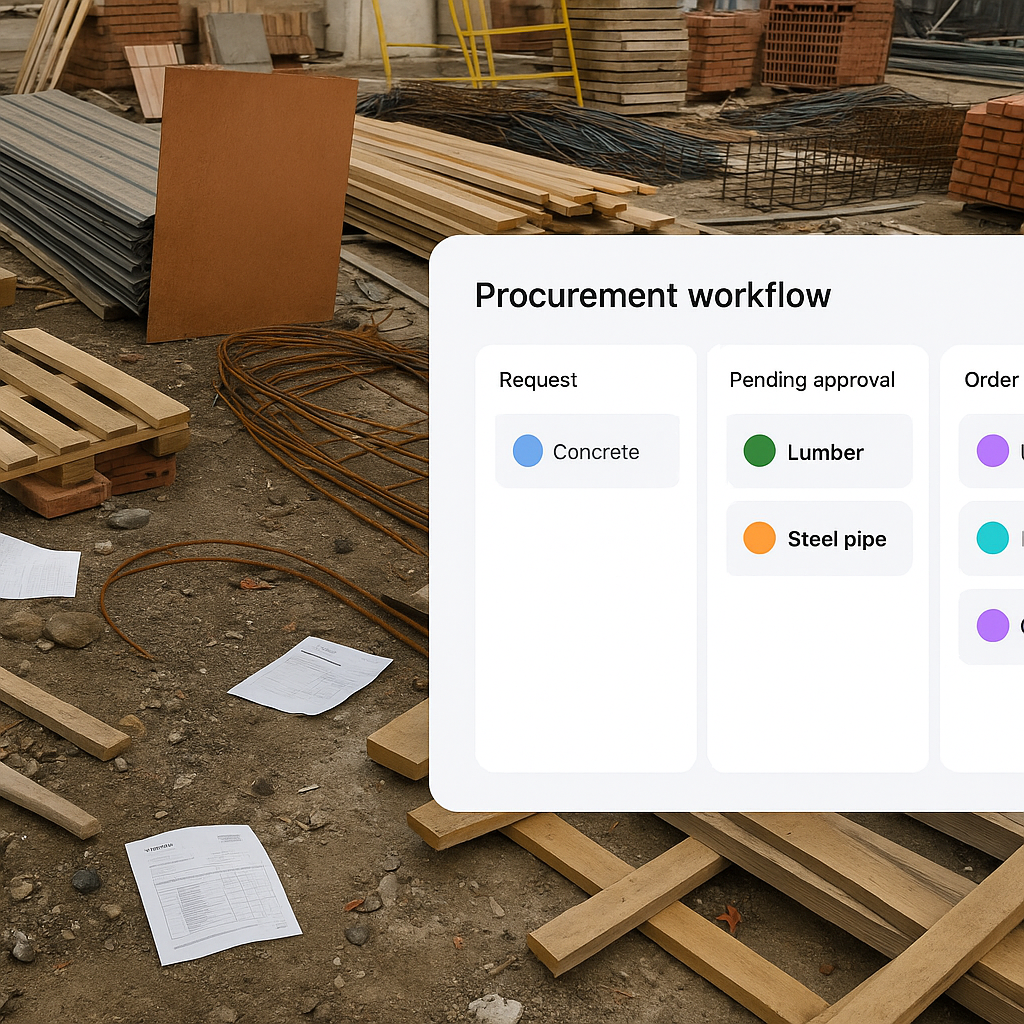
Manual Procurement Chaos: Ever had an MR (Material Request) sit in someone’s inbox for weeks? Or worse, vendors submitting offers you can’t track? These delays can trigger cost escalations, and you’re the one footing the bill.
If this sounds familiar, you’re not alone. A lot of contractors in India and the GCC face the same issues. But here’s the good news: these problems are solvable.
How Construction ERP Fixes Cost Tracking
Imagine this: a system that updates your BOQ costs in real-time. You raise an MR, convert it into an RFQ, receive vendor offers, and generate a PO — all in one place. No missed steps, no manual errors. That’s exactly what modern construction ERPs like JobNext do.
Take procurement as an example. In a recent case study on JobNext’s blog, a contractor replaced their manual MR→RFQ→PO process with an automated workflow. The result? They cut RFQ delays by 60% and reduced material cost overruns by ₹18 lakhs across just three projects.
Here’s how it works:
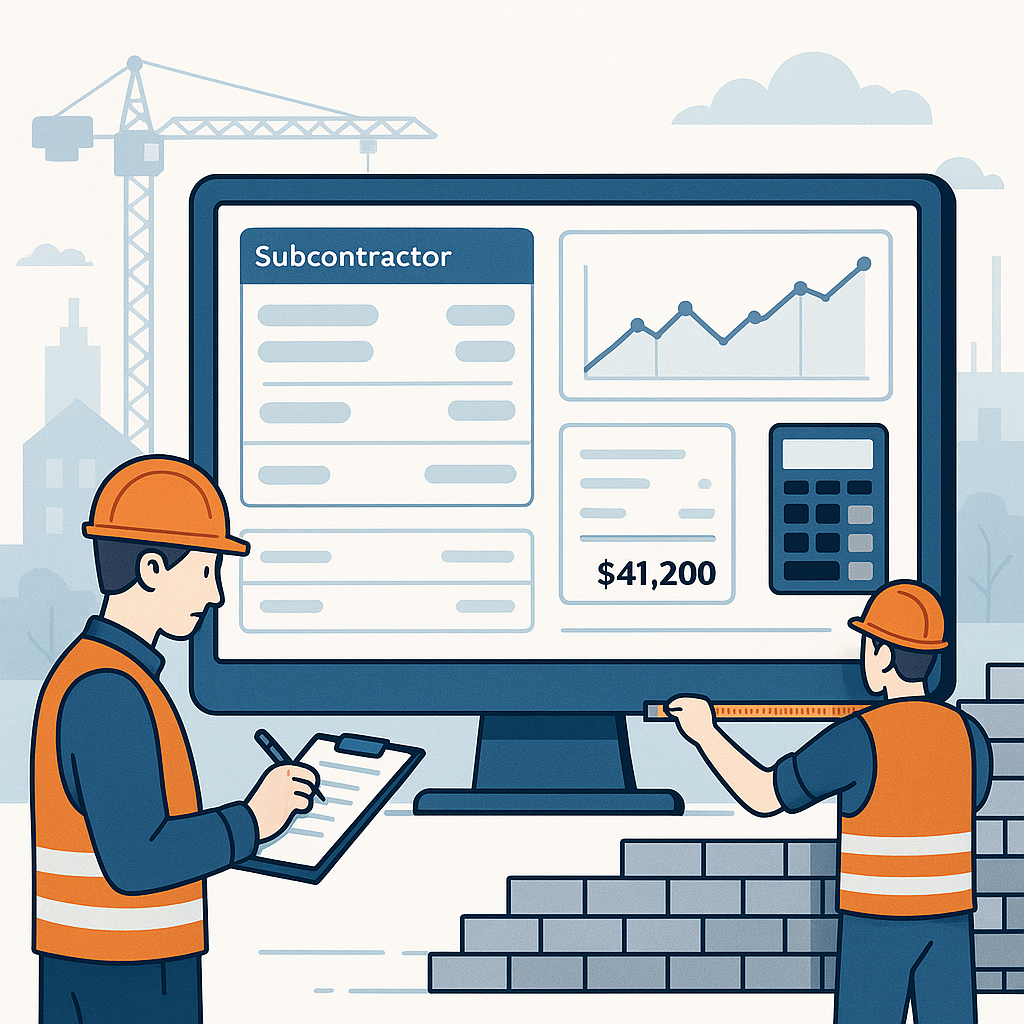
- BOQ Integration: Your project’s BOQ is the backbone. Every procurement, subcontractor payment, and billing entry ties back to it. The ERP tracks actual costs and flags overruns immediately.
- Real-Time Dashboards: No more waiting until month-end to realize you’ve overrun your scope. Dashboards give you a live view of project profitability.
- Approval Workflows: Need to approve a ₹5L material purchase? The ERP routes it to the right person automatically, so nothing gets stuck.
Why Real-Time Profitability Tracking Matters
You might be thinking, “I already use Tally or Excel for this.” But let’s be real — Tally isn’t built for project-level tracking. And Excel? Great for making lists, terrible for managing multi-crore projects.
Here’s a sobering stat: contractors lose up to 20% of their margins due to poor cost tracking, according to JobNext’s blog. That’s the difference between breaking even and turning a profit. If you’re running five projects simultaneously, you’re likely leaving money on the table in at least two of them.
With an ERP, you can:
- Identify Problem Areas Early: Spot material overages, labor inefficiencies, or subcontractor cost overruns before they spiral.
- Standardize Processes: No more unique workflows for every project manager. Everyone follows the same system, reducing errors.
- Plug Revenue Leaks: Whether it’s unbilled quantities or missed claims, an ERP ensures you capture every rupee you’re owed.
The Bottom Line: You Can’t Grow Without It
If your goal is to scale beyond ₹100 Cr turnover, you need systems that grow with you. Manual processes can’t handle 15-20 concurrent projects. They’ll buckle under the weight, and so will your margins.
We’ve seen it time and again: contractors who invest in the right systems grow faster and more profitably. They stop the margin bleed, stay compliant, and deliver projects on budget. And yes, they sleep better at night.
So, which ERP should you choose? That depends on your business. But if you’re looking for something built for Indian and GCC contractors — with features like multi-currency support, GST/TDS compliance, and 150+ real-time reports — JobNext is worth a serious look. Don’t take our word for it. Check out their blog for more real-world examples.
Ready to Stop Losing Money?
If you’re tired of wondering where your margins are going, it’s time to get serious about cost tracking. An ERP isn’t just software; it’s a way to put control back in your hands. And in an industry where every rupee counts, can you really afford not to?
Key Benefits of Construction ERP at a Glance
| Problem | How ERP Solves It |
|---|---|
| Manual cost tracking | Real-time BOQ vs. actual cost visibility |
| Disconnected systems | Unified platform for procurement, billing, HR, etc. |
| Procurement delays | Automated MR→RFQ→PO workflow |
| Revenue leakage | 6 billing methods to capture all claims |
| Compliance gaps | GST/TDS tracking, Tally integration |
| Subcontractor overruns | Payment tied to measurements |
Questions? Let’s Talk
Every contractor’s needs are different. If you’re not sure where to start, reach out to our team at YujSys. We’ve worked with contractors across India and the GCC to design systems that scale. Let’s make your next project more profitable.
Ready to see JobNext in action?
Multi-tenant SaaS ERP for construction, facilities management, and contracting — covering preconstruction, project execution, procurement, HR & payroll, equipment, finance, and 150+ analytics reports.
Get Started Free →Learn more at SoftNext Solutions