Why Contractors Lose Margins Without Proper Cost Tracking (And How ERP Fixes It)
Margins in construction are razor-thin—often hovering around 5-10%. Yet, many contractors lose 10-20% of potential profits on projects they thought were under control. Why? Poor cost tracking.
When you’re managing multiple concurrent projects, expenses can spiral quickly. Missed BOQ line items, delayed approvals, and manual errors mean costs rack up while cash flow dries up. Without real-time visibility into project profitability, you’re flying blind. And that’s dangerous.
But here’s the thing: this isn’t a new problem, and it’s fixable. Let’s break it down.
The Real Cost of Poor Tracking
Imagine this scenario. You’ve just signed a ₹20 Cr EPC contract. On paper, margins look healthy—8%. But midway through the project, procurement overruns by ₹70 lakhs because your team didn’t compare vendor offers properly. Add another ₹30 lakhs in subcontractor cost creep because progress wasn’t measured accurately. By the time you realize what’s happening, it’s too late to recover.
This is how profit erosion happens: line item by line item, approval delay by approval delay. You think the project is fine because invoices are being sent and payments are coming in. But the underlying data—your actual costs—paints a different picture.
Here’s a stat that should wake you up: 78% of contractors who experience significant margin losses cite “inadequate cost tracking and forecasting” as the primary reason. Source: Xpedeon.
Why Manual Systems Can’t Keep Up
Let’s be honest. Manual processes were fine when you had 3-4 projects running at a time. But once you scale to 10, 15, or 20—and throw in multi-site teams—it’s chaos.
You’re dealing with:
- BOQ mismatches: Your team updates estimates in Excel, but the actuals are sitting in a different sheet or, worse, someone’s email.
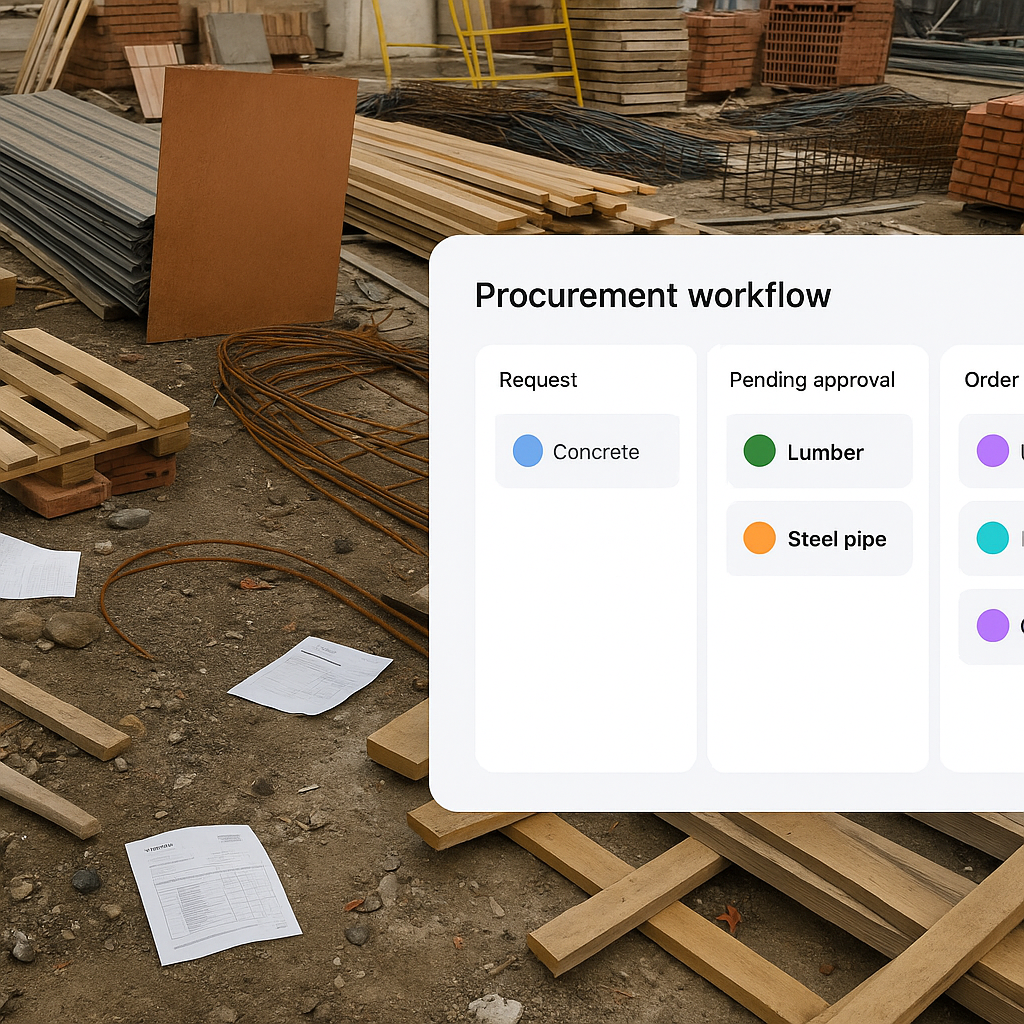
- Procurement delays: Material requisitions (MRs) get stuck waiting for approvals. By the time you issue the PO, prices have gone up.
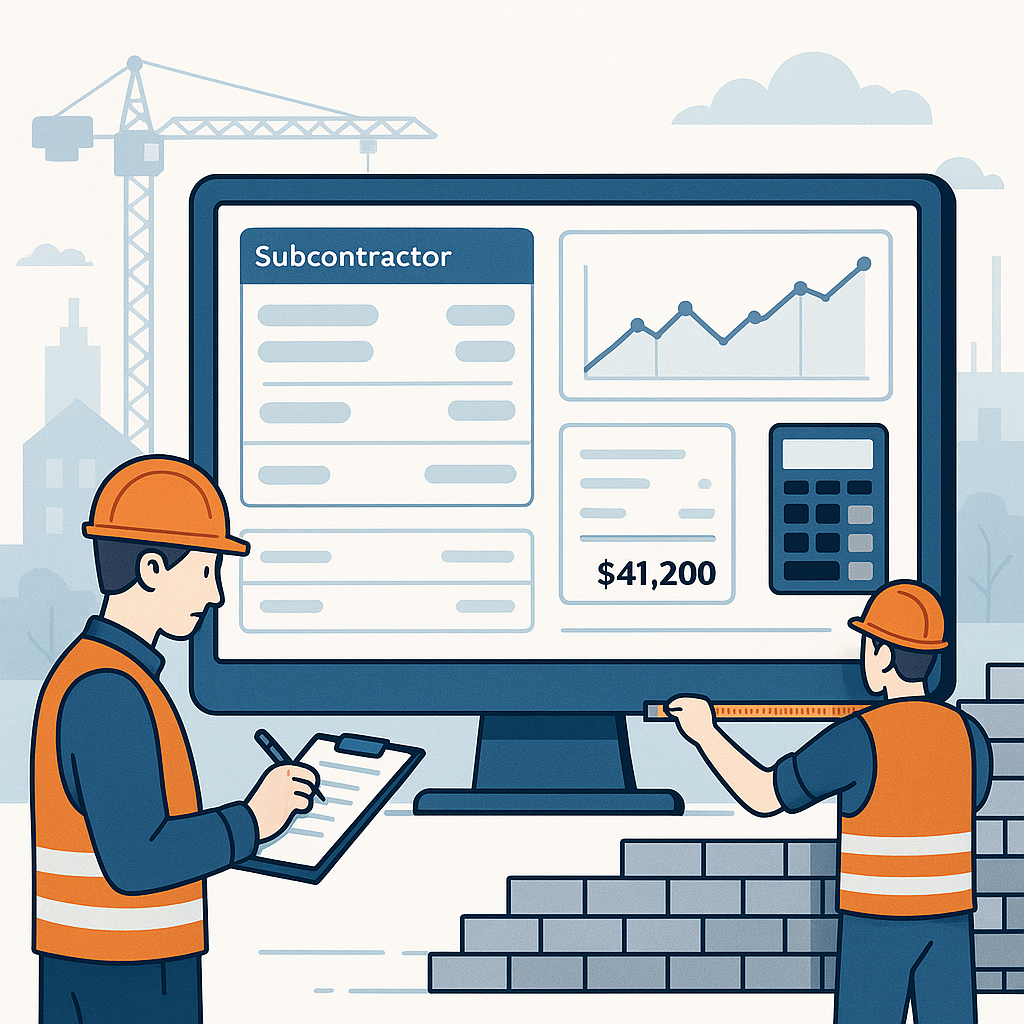
- Subcontractor disputes: If you’re not tracking work measurements against the scope, you’ll pay for work that wasn’t done.
The result? You lose visibility into where your money is going until it’s too late to fix.
How Construction ERP Solves This Problem
A well-designed construction ERP system changes the game. It gives you real-time control over project costs, profitability, and progress. Let’s focus on one specific feature that makes this possible: real-time cost tracking.
In JobNext, for example, every BOQ line item is linked to actual costs in real time. Here’s how it works:
- BOQ Integration: When you set up a project, you upload the BOQ directly into the system. This becomes your baseline.
- Live Updates: As material requisitions, purchase orders, and subcontractor payments are created, the system updates the actuals against the BOQ.
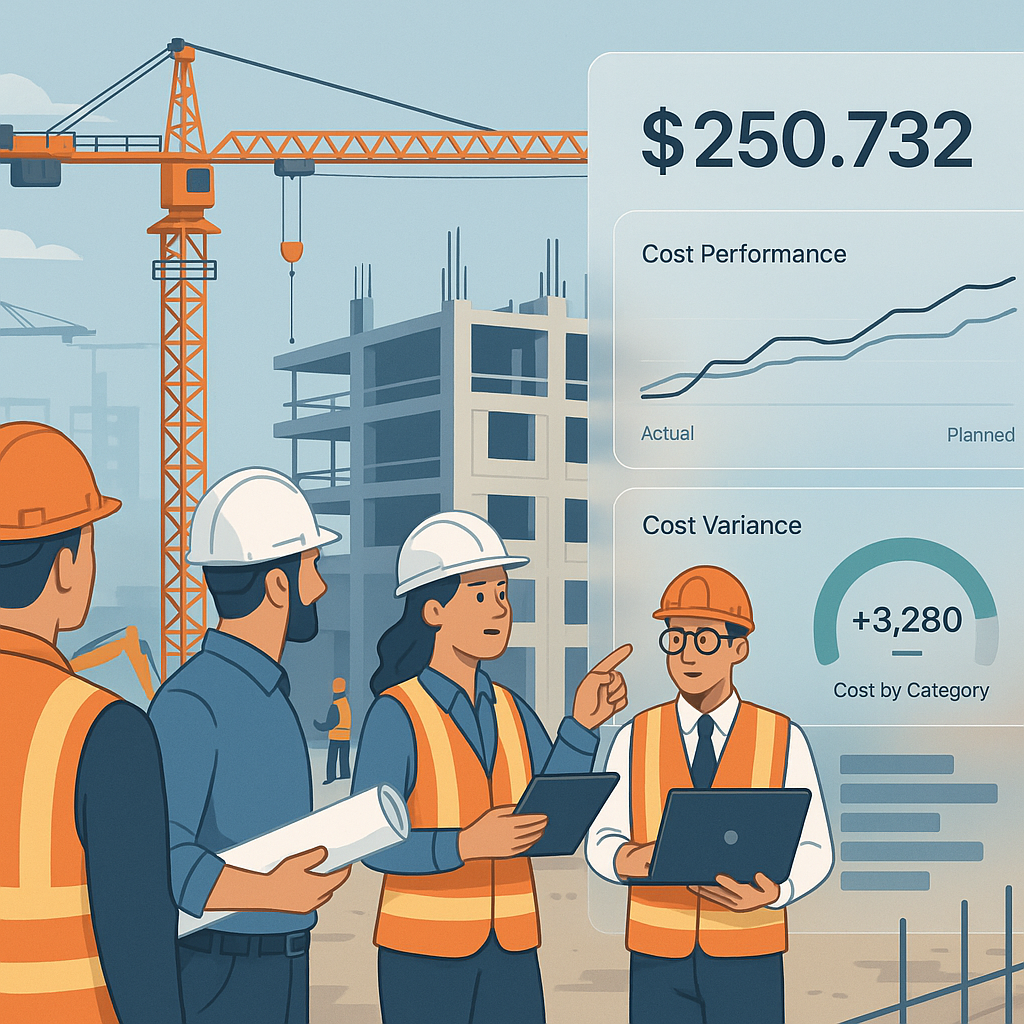
- Variance Tracking: The ERP flags any variance between estimated and actual costs. You’ll know immediately if procurement is running over budget.
- Profitability Dashboards: At any point, you can see where your project stands—profit margin, committed costs, and remaining budget.
This isn’t just theoretical. Contractors using JobNext report saving up to 15% on project costs by catching overruns early. Source: JobNext Blog.
Real-World Example: ₹5 Cr Saved on Procurement
One of our clients, a mid-size HVAC contractor in Pune, was managing procurement manually. On one ₹60 Cr project, they discovered ₹5 Cr in unnecessary costs stemming from vendor price discrepancies and unapproved POs. After implementing JobNext, they introduced an MR → RFQ → Vendor Offer → PO workflow.
The result? They locked in better prices, reduced approval delays by 40%, and eliminated duplicate orders altogether. That ₹5 Cr went straight back to their bottom line.
Skepticism? Let’s Address It
You might be thinking, “We’re already tracking costs in Excel. Why spend on ERP?” Fair question. But here’s the problem: Excel doesn’t scale. It doesn’t give you real-time updates, enforce approval workflows, or integrate with your billing and procurement systems.
Or maybe you’re worried about implementation headaches. That’s valid, too. But modern cloud-based ERPs don’t require massive IT teams or months of setup. JobNext, for instance, offers pre-configured templates for BOQs, approval chains, and reports, so you can go live in weeks—not months. Source: JobNext Blog.
Key Takeaways
- Poor cost tracking is a silent margin killer. The longer you ignore it, the more money you lose.
- Manual systems can’t handle the complexity of multi-project operations. They’ll fail you when you scale.
- A construction ERP like JobNext gives you real-time visibility into costs, profitability, and progress. It’s not just a tool—it’s a profit saver.
If you’re serious about scaling past ₹100 Cr without watching your margins erode, it’s time to make the switch. The data doesn’t lie.
Ready to see JobNext in action?
Multi-tenant SaaS ERP for construction, facilities management, and contracting — covering preconstruction, project execution, procurement, HR & payroll, equipment, finance, and 150+ analytics reports.
Get Started Free →Learn more at SoftNext Solutions