Poor Cost Tracking: The Silent Margin Killer
Margins in construction are razor-thin. Most contractors operate on a 5-10% margin at best. But here’s the kicker — studies show that poor cost tracking can eat away 3-5% of those margins. JobNext’s blog breaks it down: without real-time cost visibility, you’re flying blind. And when you’re blind, mistakes pile up — material overorders, unbilled work, subcontractor overruns.
The Real Problem: Disconnected Systems
We’ve seen it countless times. One team tracks material costs in Excel, another keeps labor costs in a payroll tool, and project managers keep their own informal notes. Reconciling this mess at the end of the month? A nightmare. By the time you discover a ₹5 lakh overrun, the damage is done. You can’t fix what you don’t see in time.
Enter Cloud ERP
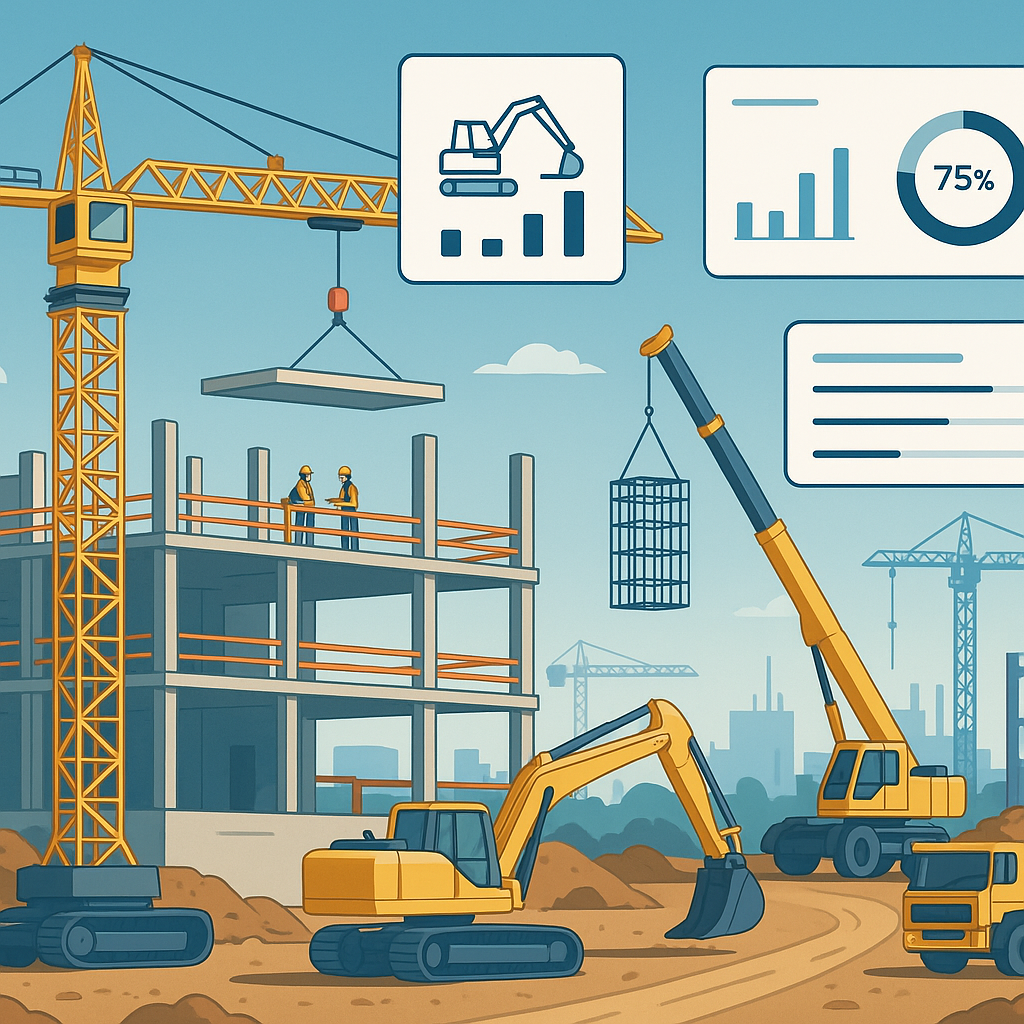
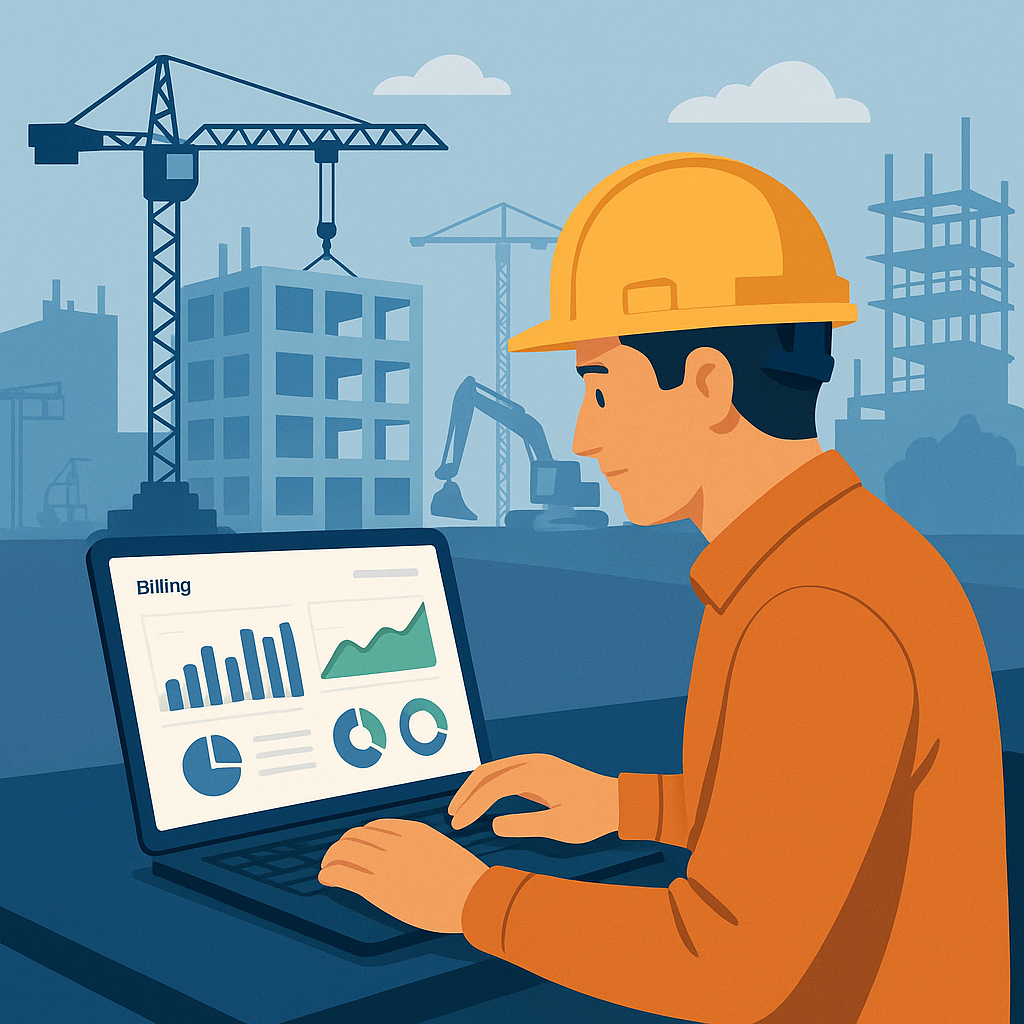
The best ERP software for construction industry use doesn’t just centralize data. It makes it actionable. Let’s take JobNext as an example. Its real-time project profitability dashboard pulls data from BOQs, procurement, subcontractor payments, and billing, giving you a live view of where your project stands financially. No more waiting for end-of-month reconciliations. No more surprises.
A Practical Example: Subcontractor Overruns
Here’s a real-world scenario: a mid-sized MEP contractor in Pune was running 12 simultaneous projects. Each project had multiple subcontractors submitting measurements weekly. Payments were often delayed because approvals required too many manual steps. Worse, some subcontractors inflated their measurements, slipping through the cracks until final audits.
Switching to JobNext fixed this. The platform enforced a structured workflow: Subcontractor Work Requests (WR) → RFP → Work Orders (WO) → Measurements → Payments. Measurements now required site engineer verification before approval. The result? Payment delays dropped by 30%, and inflated claims went to nearly zero. This saved the contractor over ₹25 lakhs in just one year.
Why Real-Time Tracking Matters
You might be thinking, "We already track costs — why do we need an ERP?" The difference is timing. Tracking costs after the fact is like trying to steer a ship by looking at its wake. Real-time tracking lets you course-correct immediately. For example, if you see cement costs spiking mid-project, you can renegotiate rates or substitute materials right then and there.
Common Objections (And Why They’re Wrong)
"ERP is Too Expensive"
Sure, ERP systems aren’t cheap upfront. But what’s the cost of doing nothing? Losing 3-5% of your margins repeatedly? For most contractors, the ROI on cloud ERP is under 12 months, especially when it prevents margin erosion and improves cash flow.
"We’re Too Small for ERP"
Even contractors with 50 employees and 5 projects benefit. Why? Because complexity doesn’t scale linearly. Managing 5 projects manually feels just as chaotic as managing 50. A good ERP grows with you, so you’re not reinventing processes every time you scale.
"Our Team Won’t Use It"
This is valid — software adoption is a challenge. But the right ERP makes it easier by mirroring workflows your team already knows. For example, JobNext’s procurement workflow (MR → RFQ → PO) feels familiar to site engineers, while automated approval chains reduce friction for managers.
Final Thoughts
If you’re serious about scaling past ₹100 Cr, you can’t afford to ignore cost tracking. Cloud ERP isn’t just a nice-to-have; it’s the backbone of operational excellence. Want to see how it works? Start with JobNext, and see the difference real-time visibility makes.
For more insights on cloud ERP and construction operations, check out How Cloud ERP Saves Construction Contractors from Margin Erosion.
Learn more at JobNext.ai