Why Contractors Bleed Margins Without Real-Time Cost Tracking
Margins in construction are razor thin. If you’re managing multiple projects, one missed cost line item can wipe out profits on an entire site. Sounds dramatic, but it’s real. We’ve seen contractors lose lakhs because they didn’t notice material overruns until the job was almost complete.
Here’s the core problem: most contractors still rely on spreadsheets and disconnected tools for project tracking. BOQs, scopes, and estimates are scattered across Excel sheets, WhatsApp chats, and memory. By the time someone realizes costs are off, it’s too late to fix it.
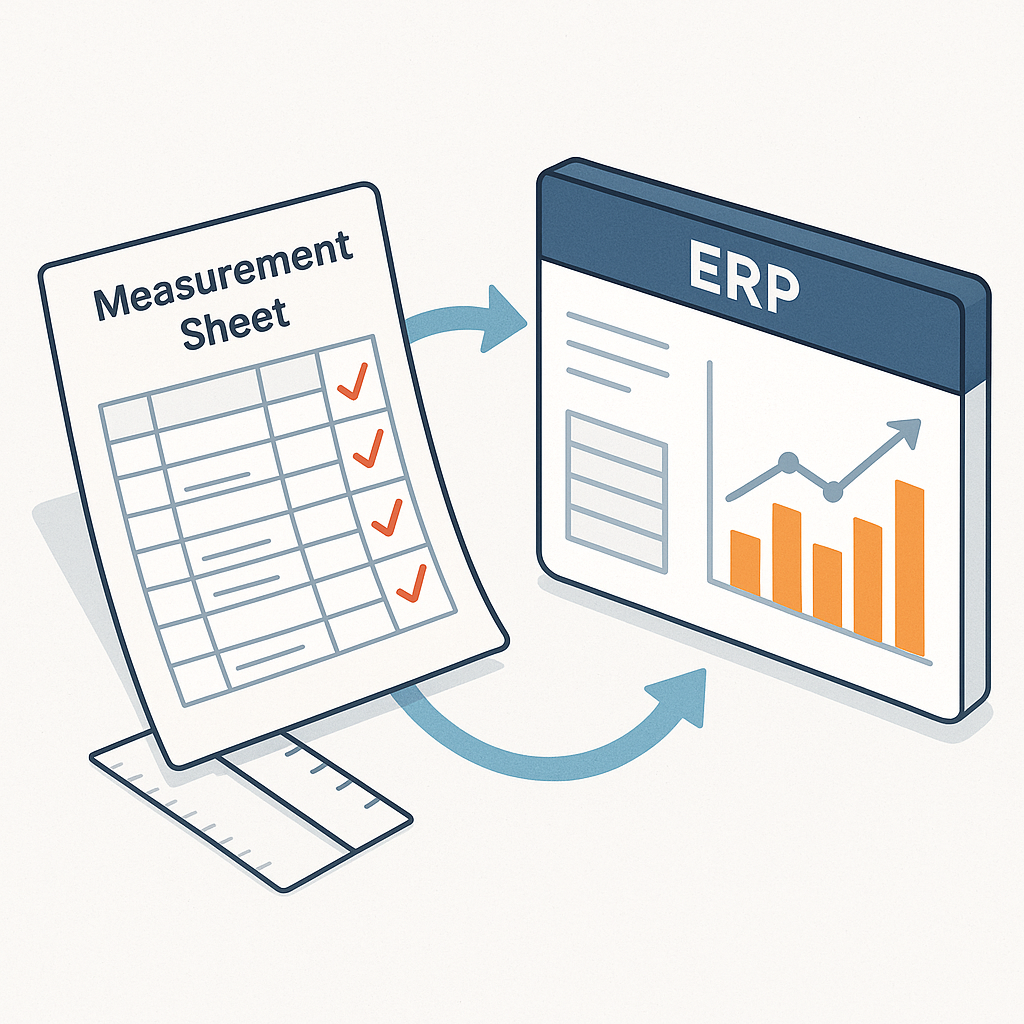
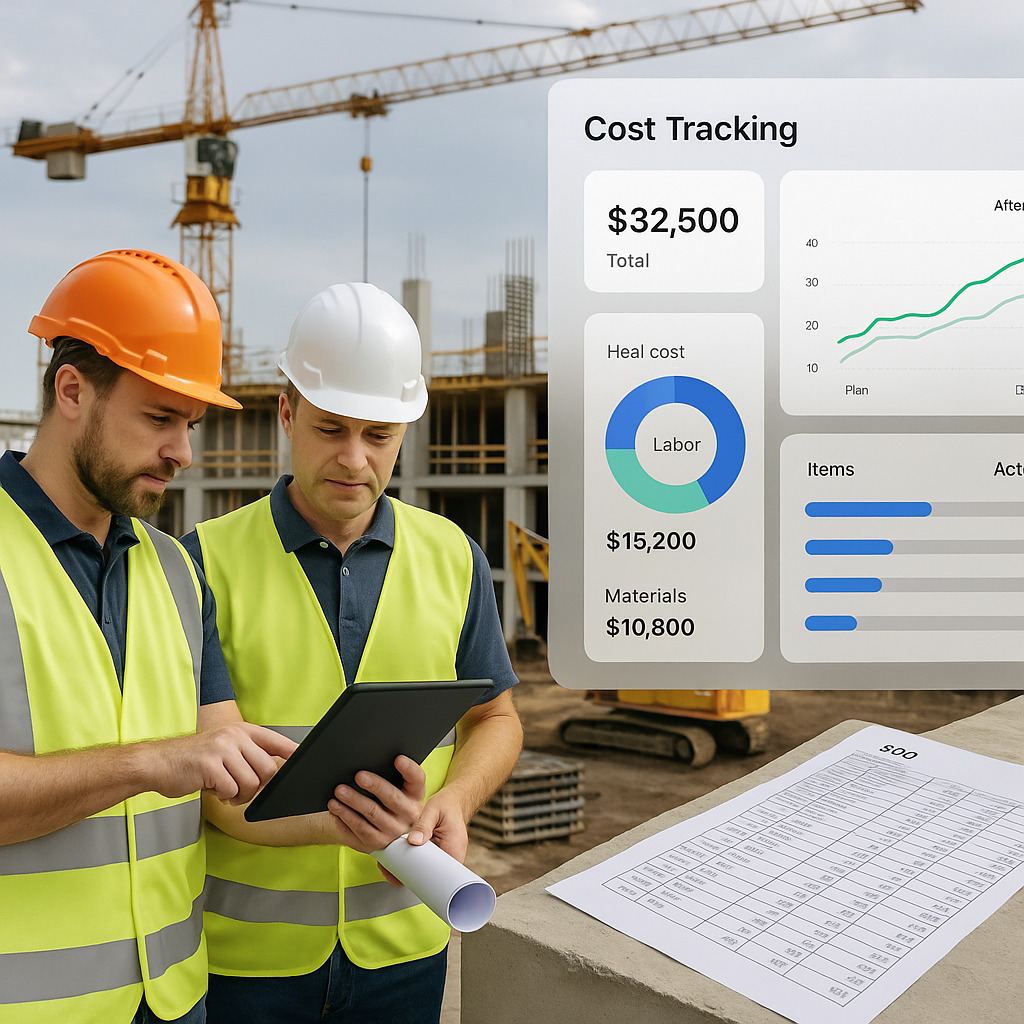
A cloud-based ERP changes the game. Systems like JobNext track every cost in real time — material, labor, subcontractor payments, equipment depreciation, you name it. You don’t have to wait for month-end reconciliations to know if a project is bleeding cash. You’ll see it as it happens.
A Real Example: Tracking BOQ Costs Line by Line
Let’s say you’re running a ₹20 Cr residential project. Your BOQ includes 500+ line items, from concrete to electrical fittings. Without an ERP, you’re manually comparing supplier invoices to your original estimates. Mistakes are inevitable. Did you really check that the steel vendor billed you for the correct tonnage? Or that your subcontractor’s measurements match the contract?
JobNext automates this. Every BOQ line item is linked directly to procurement and billing workflows. If the actual cost exceeds your estimate, it gets flagged instantly. This isn’t theoretical — it’s how contractors stop profit leaks. JobNext’s blog explains exactly how this works, with examples from real projects.
The Data Doesn’t Lie
According to Exoft, ERP systems improve profitability by 20-25% for contractors who actively track costs. That’s not just a nice-to-have — it’s survival in markets like India and the GCC, where material prices fluctuate daily.
We’ve seen similar data in our own research. Contractors using ERP systems to track BOQ costs report fewer surprises during project audits. They can identify cost overruns weeks earlier than those relying on manual methods. If you’re running 15-20 projects simultaneously, that difference adds up fast.
What’s the Catch?
You might be thinking, “ERP sounds great, but isn’t it expensive?” Fair question. The upfront cost can scare smaller contractors. But the ROI is undeniable. A single missed RA bill or over-budget subcontractor payment can cost more than the ERP subscription. JobNext’s blog breaks down how contractors recover these costs quickly.
Practical Advice for Choosing the Right ERP
Not all ERP systems are created equal. Some are clunky and don’t integrate well with your existing workflows. Others are too generic — designed for manufacturing or retail instead of construction. You need something built for your industry.
Look for these features:
| Feature | Why It Matters |
|---|---|
| Real-time cost tracking | Stops margin erosion |
| BOQ integration | Flags overruns instantly |
| Multi-project dashboards | See all sites at a glance |
| Approval workflows | Prevent unauthorized spending |
Systems like JobNext tick these boxes. And unlike older on-premise ERPs, modern cloud solutions are easier to deploy and scale.
The Takeaway
If you’re still managing costs manually, you’re gambling with your margins. Construction ERP systems fix this by giving you real-time visibility into every rupee spent. Tools like JobNext make it practical for small to mid-size contractors, especially in India and the GCC.
Want to learn more? Check out JobNext’s guide on how cloud ERP systems help contractors grow profitably.
Ready to see JobNext in action?
Multi-tenant SaaS ERP for construction, facilities management, and contracting — covering preconstruction, project execution, procurement, HR & payroll, equipment, finance, and 150+ analytics reports.
Get Started Free →Learn more at SoftNext Solutions