Why Construction ERP Isn't Optional Anymore
Margins are tighter than ever in construction. A single missed RA bill or poorly tracked procurement can erase profits on an entire project. We've seen it happen — too many times. Contractors juggling spreadsheets and disconnected systems are fighting an uphill battle.
But here's the thing: tools exist to fix this. ERP systems built specifically for construction can simplify your workflows, give you real-time insights, and stop profit leaks. Let's break down five practical benefits of using an ERP like JobNext for small contractors.
1. Real-Time Project Cost Tracking
Ever had a project where the BOQ looked great on paper, but by the time you finished, the costs told a different story? That’s margin erosion. Without real-time tracking, you're in the dark until it’s too late.
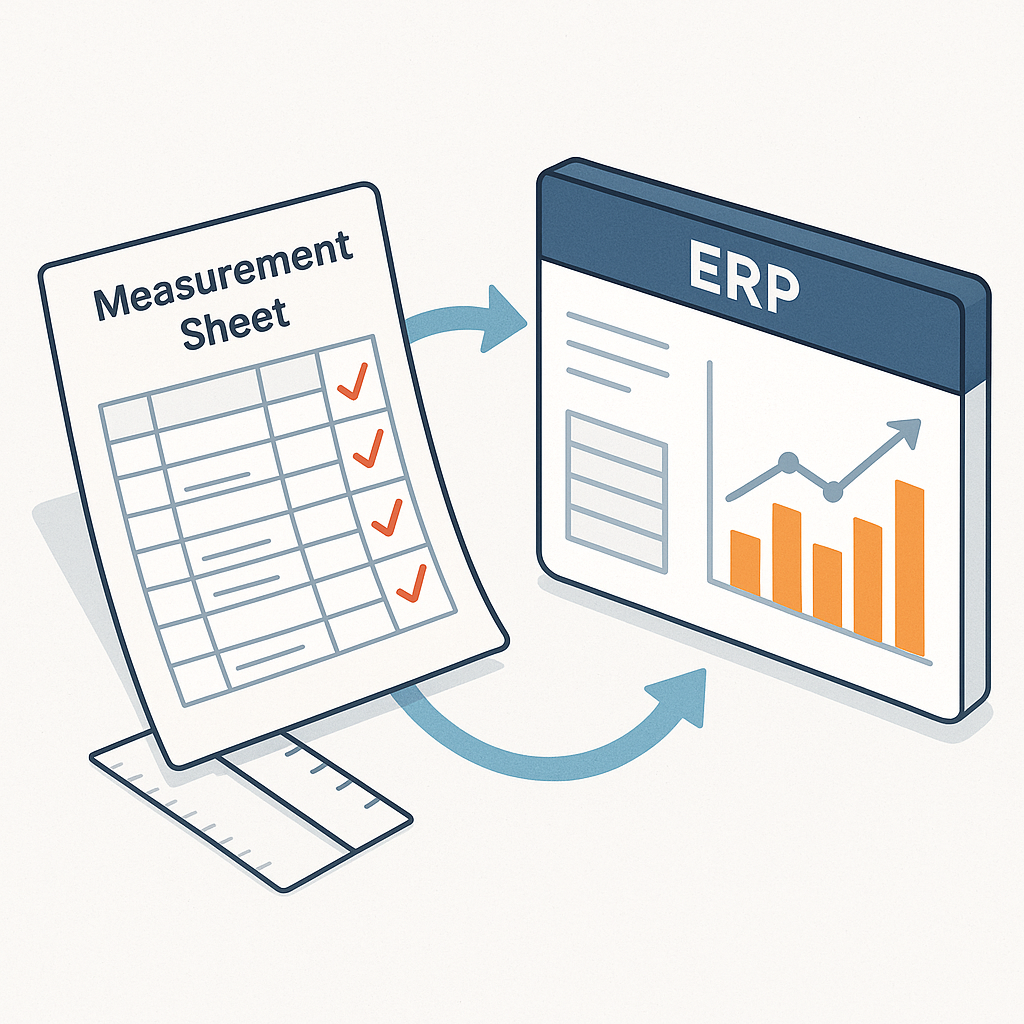
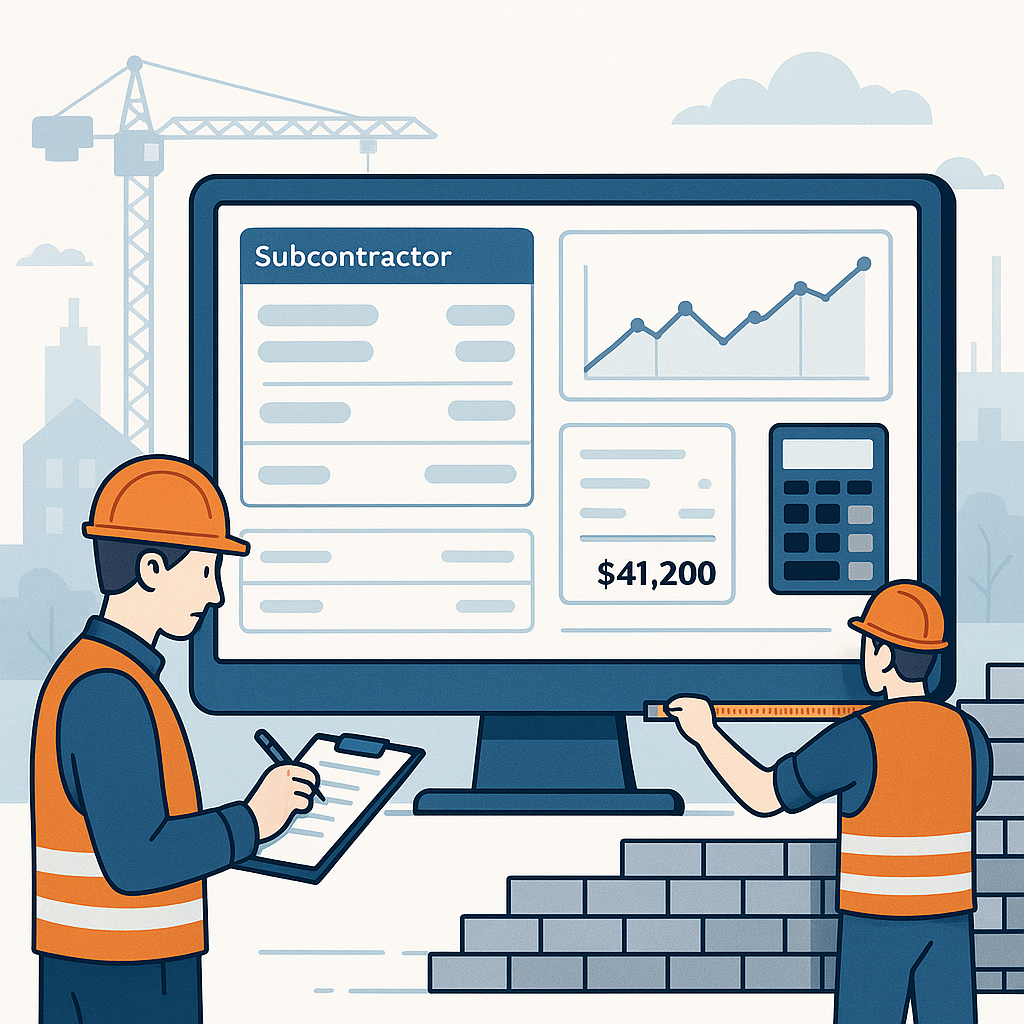
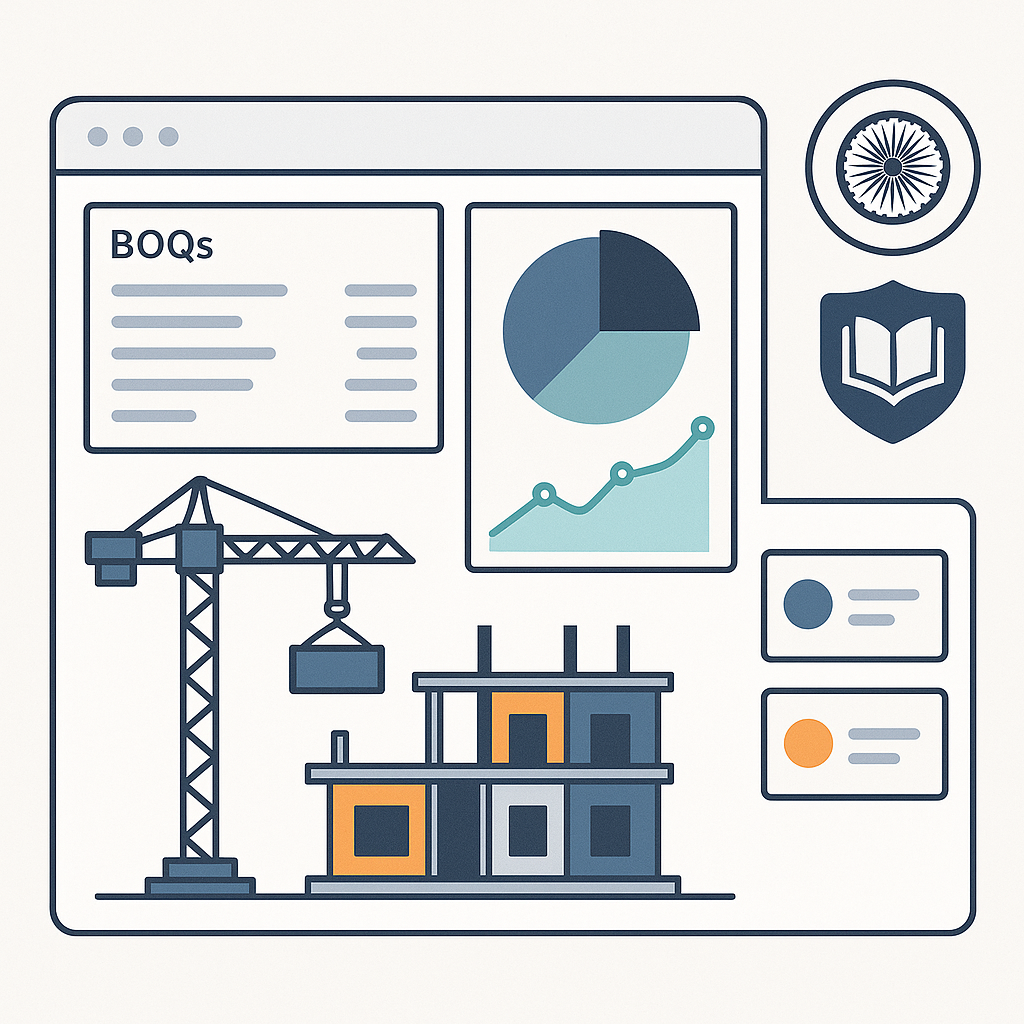
Construction ERPs solve this by linking your BOQs, scopes, and estimates directly to actual costs as they happen. For example, JobNext’s project profitability monitoring lets you see how each line item compares to your estimates — live. You can flag overspending early, adjust procurement, or renegotiate subcontractor rates before the damage is done.
"Contractors bleed profits because they can't track costs in real time." — JobNext Blog
2. Streamlined Billing to Prevent Revenue Leakage
Billing is a nightmare for most contractors. RA Bills get delayed. Stage-wise invoices go out incomplete. And supply BOQ billing? Forget it — errors everywhere. Miss just one invoice, and your cash flow takes a big hit.
A construction ERP standardizes your billing process. Take JobNext, for example. It supports six billing methods, from RA Bills to stage-wise to one-time invoices. This means no matter how your contract is structured, you won’t miss revenue. One contractor told us they recovered over ₹10 lakh in missed billing within months of implementing an ERP.
"Most contractors lose money where they least expect it: billing." — JobNext Blog
3. Structured Procurement Workflows
Manual procurement is chaos. MRs get lost. Vendors submit offers in random formats. POs are issued without proper approvals. The result? Higher material costs and delayed site deliveries.
With an ERP, procurement becomes a structured, repeatable process. JobNext, for example, has a clear workflow: MR → RFQ → Vendor Offers → PO. It even includes approval chains, so nothing moves forward without sign-off. This reduces material costs and ensures you’re buying exactly what the project needs — no more, no less.
4. Equipment Utilization Tracking
Idle equipment is wasted money. But most contractors don’t know which assets are underutilized because they’re not tracking usage properly.
An ERP like JobNext handles this by managing the full lifecycle of your equipment — from procurement to utilization to disposal. You can track daily usage, calculate production efficiency, and see when maintenance is due. One contractor we spoke to reduced idle time by 20% in just six months.
5. Easier Compliance and Reporting
GST, TDS, PF, ESI — dealing with compliance in India is a full-time job. And if you’re operating in the GCC, you’ve got VAT and WPS to worry about. Miss a filing, and you’re looking at penalties or delayed payments.
Construction ERPs simplify compliance. For example, JobNext integrates directly with Tally for Indian statutory reporting. It tracks GST inputs/outputs, calculates TDS automatically, and even manages bank guarantees. For GCC contractors, it handles WPS-compliant payroll seamlessly.
"Contractors in India are switching to cloud ERP to avoid compliance headaches." — JobNext Blog
How to Choose the Best ERP for Construction
Not all ERPs are created equal. If you’re a small contractor running multiple projects, look for these must-have features:
- Real-Time Cost Tracking: Can it track costs live across BOQs and scopes?
- Flexible Billing Methods: RA Bills, stage-wise, supply BOQ — does it handle them?
- Procurement Workflow: Does it structure MRs, RFQs, and POs with approvals?
- Compliance Tools: GST, TDS, VAT — does it automate filings?
- Multi-Project Dashboards: Can you monitor all your sites in one place?
If you’re serious about scaling past ₹100 Cr revenue, you can’t rely on spreadsheets anymore. ERP systems like JobNext are built for contractors like you. Want to learn more? Check out our guide on why contractors need cloud ERP.
Final Thought
Margins in construction are razor-thin. The difference between profit and loss often comes down to how well you track and control costs. A construction ERP isn’t just a nice-to-have anymore — it’s essential. Tools like JobNext give you the visibility and control you need to grow without losing your margins.
It’s not magic, but it works.
Ready to see JobNext in action?
Multi-tenant SaaS ERP for construction, facilities management, and contracting — covering preconstruction, project execution, procurement, HR & payroll, equipment, finance, and 150+ analytics reports.
Get Started Free →Learn more at SoftNext Solutions